Married... with Children (1987): A Dysfunctional Family Comedy
A look at how Married... with Children (1987) flipped the sitcom formula with the hopeless Bundy family and an ending that never softens.
October 23, 2026
The Ending, Explained
Married... with Children arrived in 1987 as a comedy sitcom that immediately rejected the warm household template. Its tagline, "Domestic bliss was never like this!", promised a different ride. The show centers on Al Bundy, a middle aged shoe salesman stuck in a miserable life with a equally dysfunctional family in Chicago, Illinois. Over 1286 votes, it holds a rating of 7.734 out of 10, proving its lasting pull. The final chapter, Married... with Children ending explained, reveals that the Bundys refuse to grow or reconcile. Without spoiling the early seasons, we can say the last stretch keeps the status quo intact: Al still hates his job, his wife remains lazy, the son struggles with women, and the daughter stays dim-witted and promiscuous. This choice is deliberate social satire.
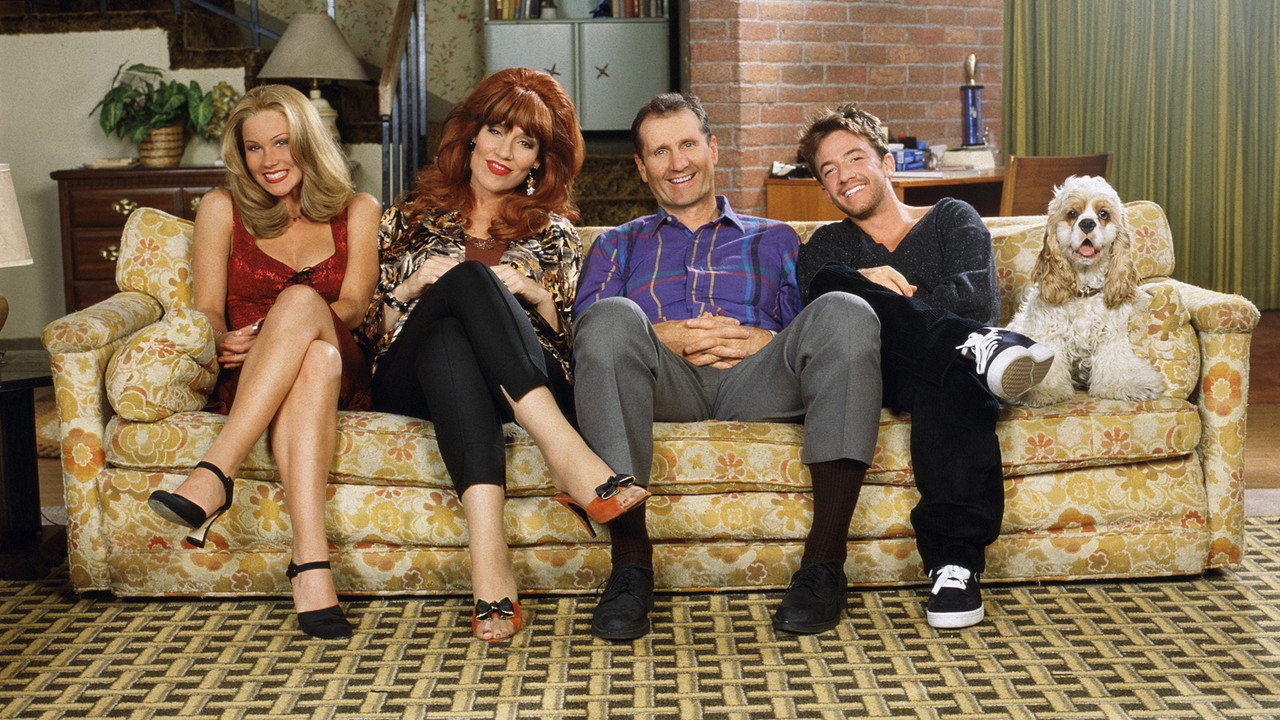
Throughout the run, the cast including Ed O'Neill, Katey Sagal, Amanda Bearse, Christina Applegate, David Faustino, and Ted McGinley built a rhythm of insult and inertia. The conclusion does not offer a redemptive hug or a clean moral. Instead, the camera lingers on the same shabby living room, confirming that family conflict is permanent. That approach separated the program from gentle family sitcoms of the era. It also cemented the show's identity as a slapstick comedy with bite.
The decision to end without transformation is not lazy writing. It is a calculated mirror held up to viewers who suspect that real family life rarely wraps up neatly. The amused tone keeps the bitterness watchable. Al's defeat by his shoe salesman role becomes a shared joke rather than a tragedy.
What Happens
The audience often asks, what happens at the end of Married... with Children, and the answer is minimal resolution. The final act presents the family exactly as viewers learned to expect. Al sits defeated by his shoe salesman career, Peg avoids any chore, Bud displays his awkward dysfunction around women, and Kelly continues her promiscuous, dim-witted path. There is no grand event that fixes their bonds. The narrative simply closes the loop on a household defined by mutual annoyance. This is not a twist but a statement.
In the last episodes, small setbacks occur, but the core dynamic stays rigid. The show's use of slapstick comedy underscores the physical futility of their days. The Chicago setting and cramped home spaces amplify the tension. By refusing to change, the characters become a mirror for real family life where amused resignation often replaces healing. The son's trouble with women persists, the daughter's choices remain unchanged, and the parents keep their parallel solitudes.
We do not need to recount the opening acts to understand the closure. The power of the ending lies in its repetition. A sitcom normally resets each week, and the series finale honors that loop. The Bundys are exactly where they started, only more entrenched. That circular structure is the answer to the question of closure.
The Meaning Behind the Ending
The cynical message, Married... with Children ending meaning, is that domestic struggle never truly ends. Where other programs taught lessons, this one argued that family relationships are built on friction. The Bundys love each other only in the narrow sense that they share a roof and a last name. Their conflicts are the glue. This ending meaning pushes back against the polished fantasy of happy households.
The show's social satire gains sharpness from this final stance. By denying growth, it criticizes the lie that marriage and parenthood automatically mature a person. Al's failure as a shoe salesman is not corrected; it is accepted as background noise. The lazy wife and dysfunctional children are not reformed; they are celebrated as comedy. The meaning is clear: family life is a constant negotiation with disappointment.
If you enjoy this brand of unfiltered television, you might also appreciate Holliston, which likewise thrives on awkward, boundary-pushing humor. Both shows trust the audience to laugh without a safety net of sentiment.
Themes You Might Have Missed
The social satire, Married... with Children explained, targets the myth of the perfect American family. Behind the loud jokes sit comments on economic strain, gender roles, and the emptiness of suburban promise. Setting the story in Chicago, Illinois anchors the blue-collar despair of a shoe salesman who faces routine failure. The theme of family conflict is not a bug but the engine.
Physical humor carries much of the weight. The physical humor, Married... with Children funny scenes, often uses slapstick to show bodies colliding with bad luck. A dropped television, a thrown shoe, or a slammed door becomes a punctuation mark for the dialogue. These moments are amused rather than cruel, inviting viewers to release tension through laughter. The show's tagline warns that domestic bliss was never like this, and the funny scenes prove it.
Another overlooked thread is the focus on family relationships as a battlefield. The cast's timing turns petty arguments into ballet. The supporting performances add outside pressure, while Ted McGinley's role keeps the circle strained. The sitcom format allows these themes to repeat until they become doctrine.
Those who like household battles may also enjoy Tyler Perry's House of Payne, a later sitcom that also plays with generational clash, though with a softer edge. Watching both highlights how the genre evolved while keeping conflict central.
Final Verdict on Married... with Children
Looking back, the series remains a high-water mark for dysfunctional family comedy. The cast delivered performances that turned stereotypes into specific people. Ed O'Neill's weary face, Katey Sagal's lazy drawl, Christina Applegate's rhythmic ditz, and David Faustino's insecure scheming created a believable unit. The rating of 7.734 from 1286 votes shows a dedicated fan base that values its honest nastiness. The show's legacy is visible in how modern comedies treat antiheroes at home.
For more vintage family dysfunction, Mama's Family offers another perspective on relatives who squabble without apology. Both programs prove that slapstick comedy and sharp writing can coexist with a cynical view of family life. If you want a laugh that does not patronize, this sitcom still delivers.
Married... with Children Need to Know
Before you stream, remember the essentials: this is a sitcom built on social satire, set in Chicago, Illinois, and focused on a shoe salesman and his relatives. The genre is comedy, the tone is amused, and the tagline warns that domestic bliss was never like this. Main cast members Ed O'Neill, Katey Sagal, Amanda Bearse, Christina Applegate, David Faustino, and Ted McGinley bring the chaos to life. The show's ending, as we detailed, refuses to mend what it enjoyed breaking. That is the point.
If you ever wondered why the Bundys never learned, the answer lies in the show's DNA. It is a satire of family relationships, not a guide to improve them. Accept the dysfunction, and the humor lands perfectly. The following quick facts summarize the package:
- Title: Married... with Children (1987)
- Genres: Comedy
- Rating: 7.734/10 from 1286 votes
- Tagline: Domestic bliss was never like this!
- Setting: Chicago, Illinois
- Core conflict: Dysfunctional family and shoe salesman struggles
With those points in mind, the ending will feel like a fitting curtain for a household that never wanted to be healed.