Manimal (1983): The Crime-Fighting Professor
A clear look at how Manimal (1983) ends, what the finale means, and the themes behind Jonathan Chase's final choices.
November 25, 2026
The Ending, Explained
Viewers who come to this short-lived series years after its broadcast often want the same thing: a clear account of how the story wraps up and why it matters. The Manimal ending explained in plain terms is less about a single shocking twist than about the choices Jonathan Chase makes when his secret life and his public life finally collide. The show never had the luxury of a long, drawn-out conclusion, so the final act has to do a lot of work in a small amount of time, and understanding what it is trying to say helps the whole series click into place.
What Happens
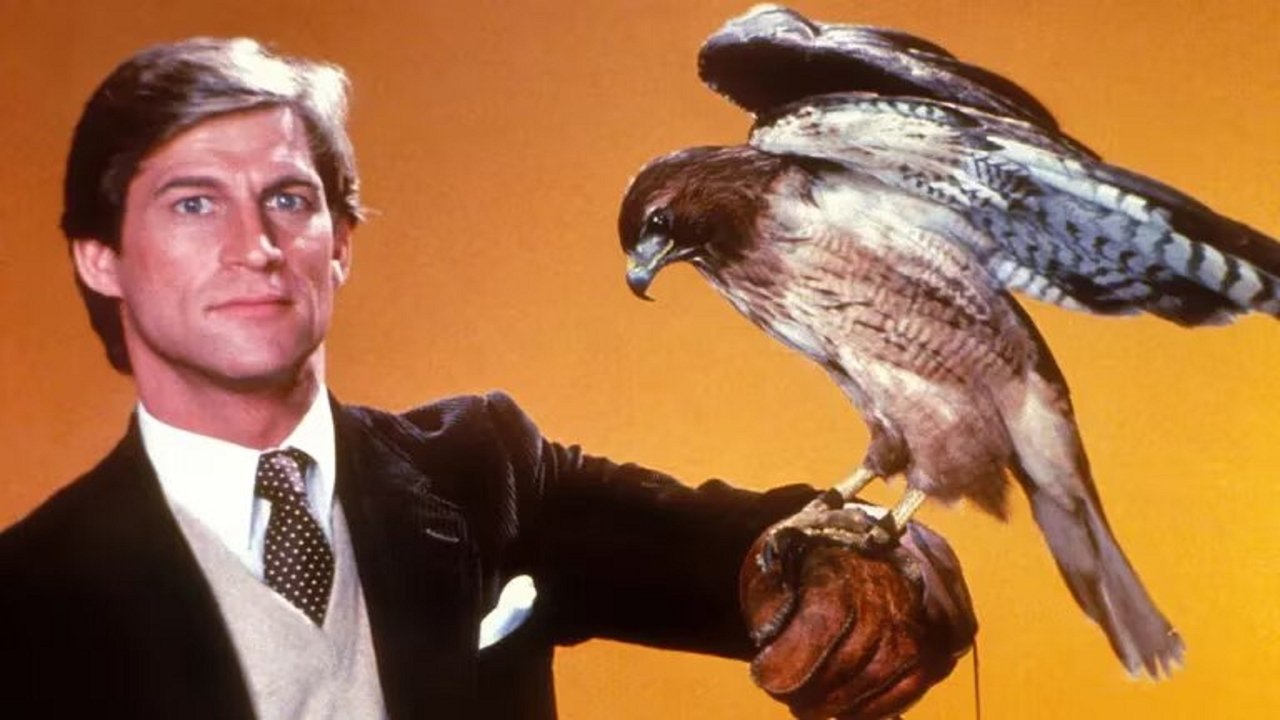
Jonathan Chase is a British college professor teaching at New York University. That respectable day job hides something extraordinary: he can shift his body into the form of any animal he chooses. He puts that gift to use fighting crime, working closely with Brooke, a sharp and capable policewoman, and with Ty, a friend whose Vietnam War experience makes him steady under pressure. The premise is simple and the stakes are personal, which is why the closing stretch of the show resonates.
In the final act, the pressure on Chase's double life reaches its peak. The criminals he has been tracking close in, and the people he cares about are placed in danger precisely because of what he is. To protect Brooke and Ty, he leans fully into his ability rather than hiding it, using a transformation at the decisive moment to turn the tables on the people threatening them. The immediate threat is resolved, but the resolution comes with a cost: the secret that kept him safe is now something his closest allies have to carry with them.
For a series that only ran a brief stretch of episodes, the ending leaves the characters in a place of uneasy equilibrium. Chase is not suddenly free to live openly, and he is not forced to give up his work. Instead he accepts the arrangement — a hidden gift, a small circle of people who know the truth, and a continuing mission. That is the shape the story settles into.
The Meaning Behind the Ending
So what is the Manimal ending meaning, once you strip away the surface thrills? At its core, the conclusion argues that identity is not something you can split neatly into compartments. Chase spends his earlier episodes keeping the professor and the animal apart, treating one as a mask for the other. The final act insists that the two halves belong to the same person, and that protecting the people he loves means refusing to abandon either part of himself. If you have ever wondered what happens at the end of Manimal beyond the plot mechanics, the answer is that the hero stops running from his own nature.
There is also a quieter idea at work about trust. Brooke and Ty are not passive bystanders in the closing chapters; their willingness to stand beside Chase after learning what he can do is what makes his decision sustainable. The ending treats their loyalty as the real victory, more valuable than any single criminal put behind bars.
If you enjoy shows where a hidden ability becomes the engine of a weekly investigation, The Champions offers a similar blend of secret powers and case-of-the-week energy. It is a useful point of comparison for anyone mapping out how this genre evolved.
Themes You Might Have Missed
Beneath the transformation gimmick, the series is working through a handful of durable ideas. The most obvious is the tension between the life you show the world and the self you keep concealed. Chase's ability could stand in for any number of things people hide from employers or colleagues, and his arc is essentially about finding a way to live honestly without losing his footing in society.
- Duality: Professor and animal are two expressions of one character, not a good half and a bad half.
- Found family: Brooke and Ty become the people Chase can rely on when his official life gives him no cover.
- Duty over comfort: He keeps taking on dangerous cases even though a quiet academic career would be safer.
- The price of secrecy: Every transformation in public risks exposure, and the closing act makes that risk feel real.
Fans of dual-identity crime stories will notice the same tension running through Gotham, where public institutions and hidden motivations collide in a much bigger city. Both shows use a divided protagonist to ask how much of yourself you can safely reveal.
The Bottom Line on Manimal
Judged as a complete story, the show lands as a compact genre piece with a clear central idea. The premise is memorable, the cast is committed, and the final act does the necessary work of bringing the character's secret into the open among the people who matter to him. It does not overreach, and it does not leave the audience guessing about what it wanted to say. For viewers drawn to transformation-driven action with a human core, it remains a worthwhile watch, and the closing stretch rewards anyone who has followed Chase from his first lecture hall to his last confrontation.
Manimal Recap
For those who want a quick refresher before diving in: Jonathan Chase is a British professor at New York University who can become any animal. He works with policewoman Brooke and his old war friend Ty to stop criminals, and the series tracks how that secret strains against his ordinary life. The Manimal TV series finale brings the tension to a head, forcing Chase to rely on his ability in front of the people he trusts and accepting that his two lives cannot stay separate. Anyone looking for a companion binge with a similar structure should try Forever, a show that also builds its mysteries around a lead keeping a very large secret from the world. With the ending now explained, the whole short run is easier to appreciate as one coherent arc rather than a handful of disconnected adventures.