Luther (2010): A Cop as Dangerous as His Prey
A psychological crime drama where Idris Elba's Luther hunts murderers while battling his own dangerous inner demons.
October 25, 2026
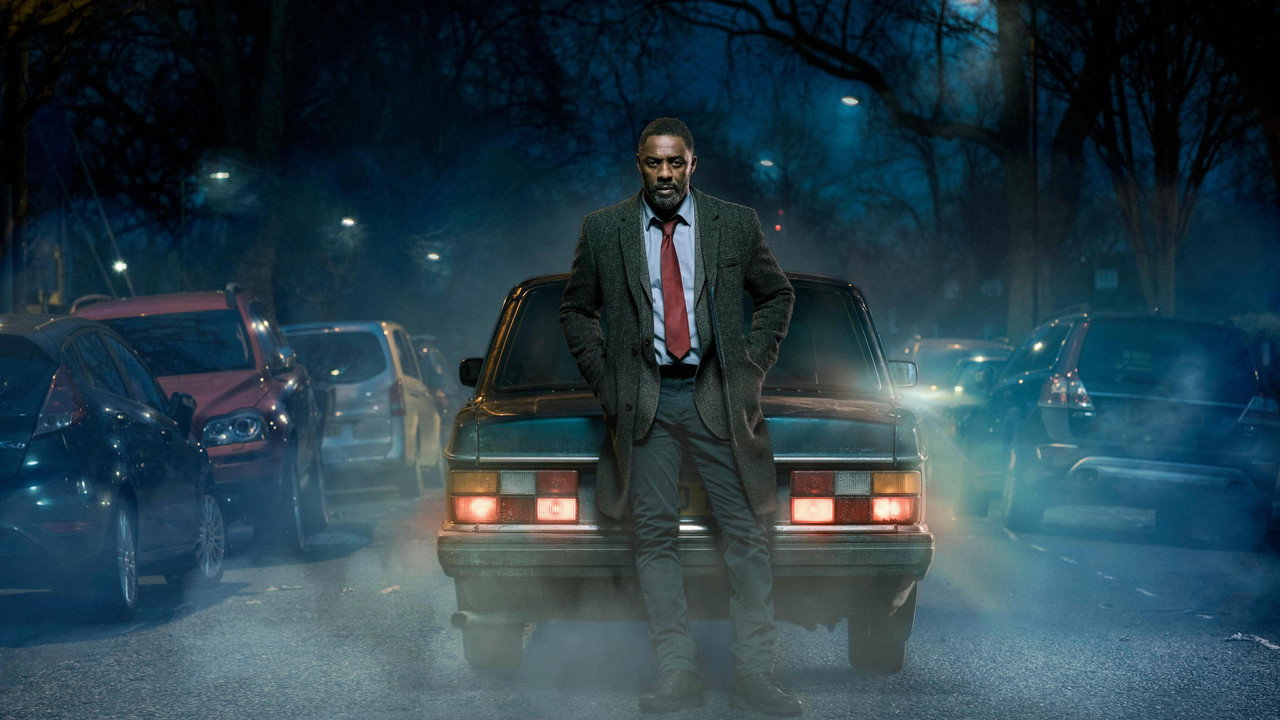
The Ending, Explained
When a psychological thriller reaches its final chapter, viewers often crave closure about the rogue cop's fate. Our companion post Luther ending explained examines the last moments where Luther, played by Idris Elba, confronts the cost of his own dangerous methods. Set in London, England, the United Kingdom crime investigation series builds to a quiet yet devastating conclusion. The tagline asks what if your worst enemy was your own conscience, and that question lands hardest in the finale. We will not reveal the early murders or the first act's serial killer setup; instead, we look at how a police detective's self-destruction mirrors the psychopath he hunts.
Many fans also enjoy similar shows, and if you like this brand of tense drama, you should watch The Fall, which also follows a detective locked in a game with a murderer.
The performance by Idris Elba anchors the closure, showing a police detective whose terrible demons are never fully banished. While we skip the early serial killer introductions, the final scenes in London, England illustrate a man at odds with his own badge. The dark psychological crime drama does not offer a clean victory, and that restraint makes the ending linger. Viewers familiar with the tagline will see how the worst enemy becomes internal rather than external.
What Happens
The summary what happens at the end of Luther focuses on the aftermath of the final confrontation. Rather than a tidy arrest, the show leaves its police hero in a space where his terrible demons surface. As a rogue cop, he has bent rules throughout the crime investigation, and the last episode shows the weight of those choices. Ruth Wilson's character and other cast members like Dermot Crowley and Hermione Norris appear in scenes that highlight the emotional fallout. The murder cases are solved, but the man himself remains as volatile as the depraved killers he tracked.
For those who want a broader context, the brief Luther explained helps new viewers understand the tone without spoiling specific twists. It notes that the series is a dark psychological crime drama mixing mystery with police procedural elements.
In the last episode, the crime investigation reaches a point where procedure fails to heal the detective. Michael Smiley and Wunmi Mosaku contribute to a somber mood that emphasizes consequence over action. The depraved murderers from earlier are gone, but the rogue cop's legacy remains. This is a United Kingdom story about the people left processing the fallout of a man who walked the line between hero and psychopath.
The Meaning Behind the Ending
The analysis Luther ending meaning shows a dual portrait of justice and personal ruin. Luther's conscience, framed by the tagline, becomes the enemy he cannot arrest. In the final act, the detective's loyalty to the job in London clashes with his own capacity for violence. This is not a story where a serial killer is merely caught; it is about a police detective who might be as dangerous as the psychopath he pursues. The significance lies in the acceptance of his role as both protector and threat.
If you appreciate this kind of moral complexity, consider Crime, a series that also digs into the minds of those who enforce the law.
Such a conclusion redefines the psychological thriller format. Instead of punishing the serial killer with spectacle, the camera stays on the police detective's face as he absorbs loss. Themes of self-destruction and conscience merge, suggesting that catching a murderer does not cure the hunter. In London, the city's grey light mirrors his isolation, a choice that elevates the final act beyond standard crime drama.
Themes You Might Have Missed
Beyond the obvious murder and detective work, the show quietly explores self-destruction within the United Kingdom's police force. The theme of a rogue cop is intertwined with friendship, as seen through Michael Smiley and Wunmi Mosaku's roles. Another layered idea is the psychological thriller aspect: the true horror is internal. Patrick Malahide and Enzo Cilenti add to a world where crime investigation is less about clues and more about the cost of obsession. The final act underscores that London, England is as much a character as any serial killer.
Viewers who enjoy thematic depth may also want to see Criminal Record, which treats similar ideas of conscience in law enforcement.
Attention to detail reveals how the United Kingdom setting shapes the police work. From the offices to the streets of London, England, every location feels weighed down by history. The rogue cop narrative is less about shootouts and more about silent judgments among colleagues like Patrick Malahide and Enzo Cilenti. Even minor scenes with Hermione Norris reinforce that mystery here is personal, not just procedural.
Our Take on Luther
We find the 2010 production a standout in the crime drama category. Idris Elba carries the role of a man struggling with his own terrible demons, making the audience sympathize with a figure who borders on psychopath. The rating reflects its quality: the metric Luther 2010 rating indicates strong reception among voters. With a score of 7.854 out of 10 from 1270 votes, it is clear the psychological thriller resonated. The show's ability to avoid neat resolution is its strength, leaving the police detective's future uncertain yet thematically complete.
Streaming audiences who appreciate a detective story with grit should prioritize this 2010 entry. The ensemble, including Ruth Wilson and Dermot Crowley, supports a central turn that never slips into easy heroics. As a psychological thriller, it respects the viewer's intelligence by leaving questions about the police detective's path. That approach is why breakdowns of the finale remain active among fans of crime drama.
Luther Key Details
The title is Luther (2010), spanning genres of crime, drama, and mystery. Main cast includes Idris Elba, Dermot Crowley, Hermione Norris, Michael Smiley, Ruth Wilson, Patrick Malahide, Wunmi Mosaku, and Enzo Cilenti. The tagline poses a question about conscience as worst enemy. At its core, it is a dark psychological crime drama about a man who might be as dangerous as the depraved murderers he hunts. Themes cover London, England, detective work, self-destruction, police, psychopath, murder, serial killer, rogue cop, psychological thriller, police detective, United Kingdom, and crime investigation. The published Luther 2010 rating sits at 7.854/10 from 1270 votes, confirming its place among respected entries in the genre.
Beyond numbers, the show's identity rests on its mixture of mystery and self-destruction. A police detective operating in London, England faces cases that test his own stability. The cast list confirms a deep bench of talent, from Idris Elba to smaller roles like Enzo Cilenti. Whether one views it as a rogue cop tale or a study of conscience, the production earns its standing in the crime investigation catalog.