Lost (2004): Plane Crash Survivors Face Island Secrets
Plane crash survivors must work together to stay alive while facing the island's many secrets in Lost (2004).
October 21, 2026
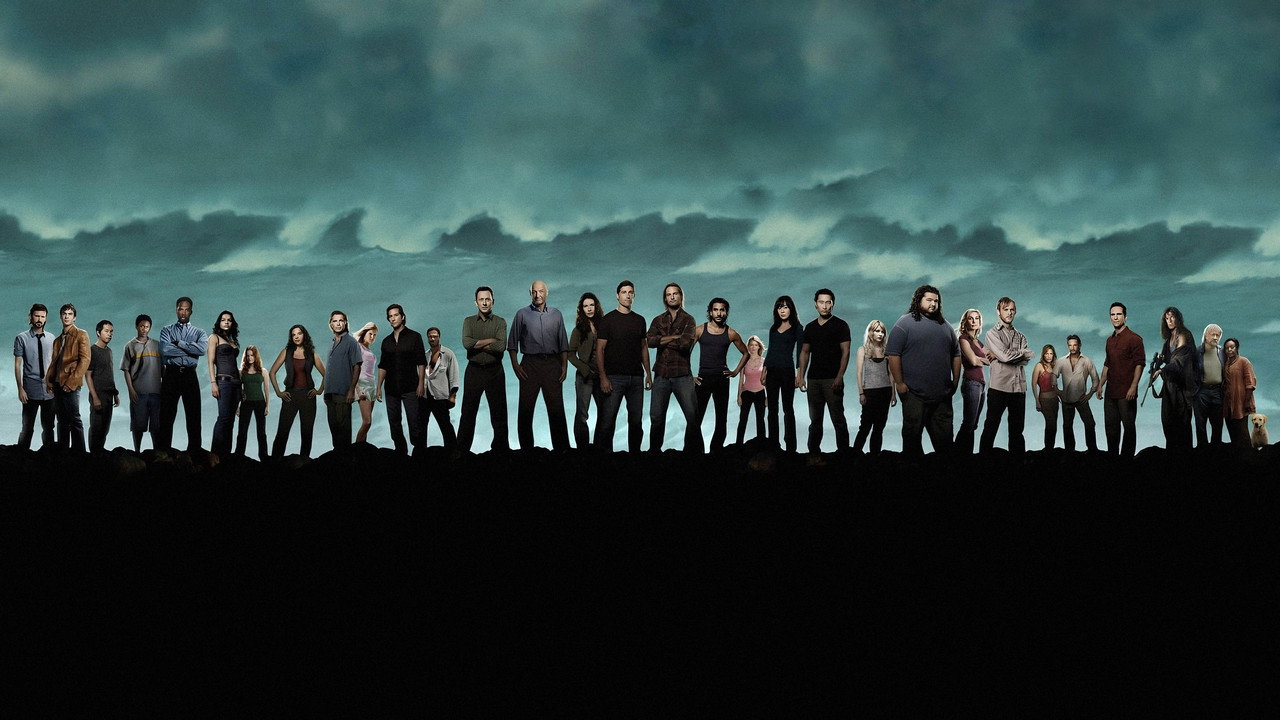
The Ending, Explained
The phrase Lost ending explained often surfaces in fan communities where viewers crave clarity after the final credits roll. Without walking through the early episodes, we can safely say that the concluding segment recontextualizes the whole adventure. The show holds an audience score of 8.0/10 across 5409 votes, a signal that most found the experience rewarding even if the closure sparked conversation. Leading performers such as Matthew Fox and Evangeline Lilly anchor a story about people stripped of their old lives. The island, described in promotional material as uncharted, becomes more than a backdrop; it is a force that measures each person. By the last act, the tagline "Everything happens for a reason" stops feeling like a slogan and starts functioning as a lens. The finale does not dump exposition about every secret. Instead, it asks the audience to sit with the emotional consequences of survival. That approach is why some viewers felt unsettled, yet it is also why the work endures as a reference point for serialized storytelling. The mixture of mystery, action, and adventure with dramatic weight keeps the pacing unpredictable until the very last scene. What remains is a meditation on purpose rather than a simple puzzle box.
What Happens
Fans frequently type the query what happens end of Lost into search bars because the broadcast conclusion avoids a conventional wrap-up. We will not detail the first act, but the back half of the run moves from external threat toward internal resolution. After the horrific airplane crash, the group has already learned that cooperation is the only buffer against the unknown. As the timeline progresses, figures like Terry O'Quinn and Michael Emerson illustrate how power and faith collide. The narrative keeps the mystery genres alive while letting action and adventure punctuate quieter character moments. Importantly, the later chapters do not discard the premise; they deepen it. The uncharted land keeps revealing layers, and the survivors must decide what they owe each other. By the final stretch, the plot concerns acceptance as much as escape. Understanding the sequence requires recalling small gestures, not just major set pieces. The result is a closing movement that feels earned rather than manufactured. Side characters receive their own quiet exits, and the ensemble never loses its grip on the human stakes involved.
The Meaning Behind the Ending
The phrase Lost ending meaning points to a thematic resolution rather than a literal dictionary answer. Critics who dismiss the finale sometimes expect a checklist of explained phenomena, but the serial operates on emotional logic. A central idea is that every occurrence, even the devastating initial disaster, carries weight and purpose. This mirrors the official tagline about reasons behind events. The island functions simultaneously as a physical space and as a reflection of inner turmoil. In the last scenes, the ensemble—including Josh Holloway and Jorge Garcia—demonstrates how profoundly they have changed. The conclusion suggests that the bonds formed under pressure matter more than solving every riddle. Redemption and forgiveness become the true payload. When watched with patience, the final act rewards attention to subtle expressions and restrained dialogue. It is less about unveiling a mechanism and more about honoring the transformation of people who arrived as strangers. The uncharted setting ultimately becomes a mirror, and the ending asks us to accept that some questions are answered by who we become.
Themes You Might Have Missed
The label Lost explained fits a certain type of recap that privileges symbolism over spectacle. One quiet motif is the push and pull between community and solitude. The airplane crash survivors must build a society, yet the island constantly tests individual limits. Another understated thread involves reckoning: nearly every principal, from Naveen Andrews to Jeff Fahey, faces a moment that demands accountability. The uncharted setting acts as a catalyst, not just a prison. Mystery and drama interweave so that action sequences serve character rather than overshadow it. Viewers who enjoy this brand of layered narrative should also consider Flight 29 Down, a series that echoes the challenge of young people bonded by sudden isolation. Both productions remind us that location alone does not create tension; the people do. Observing these patterns enriches repeat viewings because the details accumulate meaning. The show's willingness to leave certain doors open is itself a statement about storytelling and faith in the audience.
Our Take on Lost
Our perspective centers on the human heartbeat beneath the puzzles. The term Lost plane crash survivors describes the core group perfectly, yet they grow into something beyond victims of circumstance. We consider the show a benchmark for blending mystery, action, and drama without sacrificing intimacy. The chemistry among the cast keeps even slower passages compelling. For audiences who connected with the isolation premise, The Stranded presents another angle on strangers bound by disaster. Similarly, Lord of the Flies interrogates how an island rewires social contracts, making it a thoughtful companion piece. While the ending divides opinion, the journey offers consistent rewards: sharp writing, memorable performances, and a setting that feels alive. The rating of 8.0/10 from thousands of voters reflects that broader affection. We encourage new viewers to watch closely and resist the urge to race toward answers. Themes of loss, hope, and interconnected fate surface in nearly every scene if you let them breathe.
Lost Verdict
Summing up, the series stands as a bold experiment in long-form television. It trusts the audience to piece together meaning, and the final act underscores that trust. The blend of island mystery, airplane crash survival, and uncharted exploration creates a texture rarely matched. Even if the conclusion refuses to tie every thread, the emotional closure satisfies. The ensemble cast delivers performances that linger, and the tagline about everything happening for a reason gains resonance on reflection. For a free streaming blog audience seeking depth alongside entertainment, this title remains a top recommendation. Its influence can be traced in later survival dramas and in the way fans still debate its message years later. Approach it with open eyes, and the experience will reward you. The journey from shock to understanding is the real story, and that is why the show continues to matter in a crowded landscape of content.