Loki (2021): A Trickster's Choice at the TVA
An alternate Loki must decide between erasure and helping the Time Variance Authority repair the timeline in this sci-fi drama.
October 26, 2026
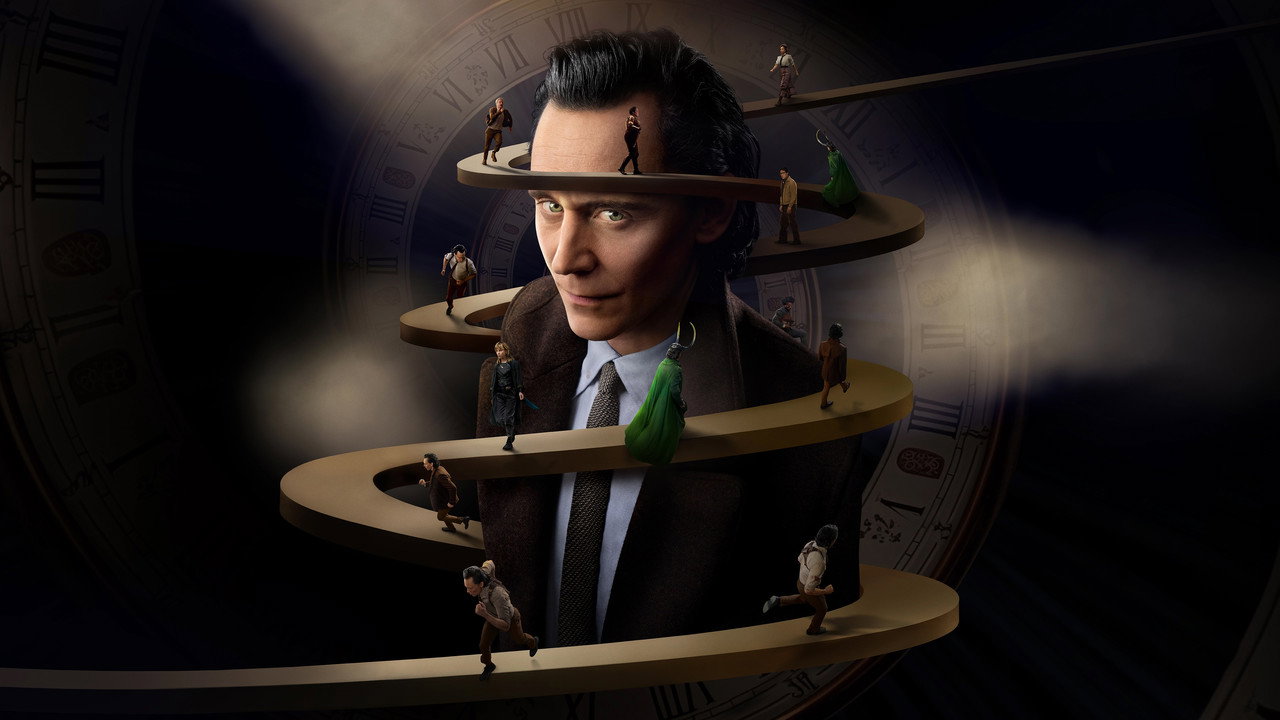
The Ending, Explained
When a beloved trickster from the Marvel Cinematic Universe gets pulled out of his timeline, the result is a compact sci-fi drama that has found a home on our free streaming blog. Loki (2021) carries a tagline that warns "Loki's time has come" and holds an audience score of 8.181 out of 10 across 12,845 votes. In the final section, the Loki ending explained breakdown clarifies the variant's decision without roaming into the early scenes. The mysterious Time Variance Authority, a bureaucratic group existing outside of time and space, presents a fork: face erasure as a time variant or help mend the timeline against a larger threat. That pivot is the crux of the closure.
The weight of that choice gains force when we consider the show's spectral tone. Rather than exploding into battles, the story sits with the unease of a person told his existence is illegal. The rating of 8.181/10 suggests viewers connected with this quieter dread. The TVA's halls feel endless, and the organization's calm delivery of life-or-death terms makes the ending feel like a verdict rather than a plot beat. We keep our focus on that verdict so the first act remains unspoiled for new watchers.
Viewers who arrive expecting a standard superhero beat will notice the show leans on quiet dread instead of spectacle. The secret organization at the center monitors every second of reality, which reframes the usual cape-and-cowl formula. For those who enjoyed the reality-bending tone of WandaVision (2021), this series offers a similar willingness to bend genre rules while staying rooted in the MCU.
What Happens
The provided synopsis stops at the moment Loki is stolen from the events of Avengers: Endgame with the Tesseract. Throughout the piece, the Loki explained analysis leans on the comic spin off roots to show why this version is an alternate timeline copy rather than the original schemer. He is not the defeated villain of earlier films but a fresh echo set loose in a wider multiverse, grabbed the instant he thought he had escaped.
The community often debates what happens end of Loki in shallow posts, yet the official description simply hands us the choice posed by the TVA. Tom Hiddleston leads a cast that includes Sophia Di Martino, Gugu Mbatha-Raw, Wunmi Mosaku, Eugene Cordero, Ke Huy Quan, and Owen Wilson. Their performances ground a high-concept premise about time travel and bureaucratic control. Fans of chronological twists might also appreciate The Flash (2014), which explores a different corner of speed-driven chronology.
Because the narrative begins after a theft that reshapes his path, the character enters the story already displaced. The Time Variance Authority identifies him as a variant, meaning his continued breath breaks their ordered record. That identification is the engine of everything that follows. We do not need the opening scenes to understand that being labeled a problem forces a person to either submit or redefine himself.
The Meaning Behind the Ending
Meaning in a story like this grows from character stance more than plot twists. In this essay, the Loki ending meaning interpretation rests on the multiverse theme and the slow redemption of an anti hero. By offering him a role as fixer rather than fugitive, the narrative suggests that even a selfish trickster can be recast as a guardian of order. The greater threat mentioned by the TVA hints at consequences that stretch beyond one man's pride.
Time, treated here as a managed resource, becomes a mirror for personal accountability. The secret organization is less a villain and more a mirror of rigid systems we all navigate. If you like stories where agents police history, Seven Days (1998) delivers a comparable fascination with preventing errors in the past.
The theme of a woman director shaping the spin off adds a layer often missed in casual viewing. Even without diving into episode specifics, the listed motif tells us the perspective behind the camera angled the soap-opera intimacy of gods toward a workplace fable. That lens makes the final act feel like a performance review rather than a war council. The anti hero must answer not to a sword but to a timesheet.
Themes You Might Have Missed
Because the show is a spin off from the Marvel Cinematic Universe, it carries tags that reward closer reading. The listed motifs include an anti hero, a secret organization, time, time travel, superhero, based on comic, spin off, multiverse, alternate timeline, woman director, and multiverse again. We can group them:
- An anti hero confronted by a secret organization that controls time.
- Time travel mechanics that spawn an alternate timeline inside the broader MCU.
- A superhero tale based on comic lore but redirected by a woman director's perspective.
- A multiverse framework that widens the stakes beyond a single planet.
- The bureaucratic monitoring of every second as a quiet form of power.
Each element supports the others. The alternate timeline status explains why the TVA treats Loki as disposable, while the multiverse tag promises that his choice will ripple outward. The based-on-comic root gives longtime readers a familiarity that the show then twists by changing the scale from personal mischief to cosmic audit. Noticing these threads makes the ending land harder.
Another subtle point is how the word "variance" shifts from a legal term to a moral one. A time variant is not called evil; he is called incorrect. That small language choice colors the final act with sadness rather than triumph. The themes you might have missed are less about hidden clues and more about the tone of the world building.
Loki: Our Final Verdict
Published here, the Loki finale summary text reflects the rating of 8.181/10 from 12845 votes and confirms the tagline's weight. The show respects its audience by refusing to over-explain the first act, instead trusting viewers to piece together the rules of variance. Our verdict is that this is a recommended watch for anyone curious about a superhero story told through bureaucratic sci-fi.
The performance of Tom Hiddleston anchors the strange premise, and the supporting ensemble keeps the tone human. While we will not spoil the opening, we can say the final act gains power from the themes of sacrifice and restructured destiny. It is a compact, thoughtful entry in the streaming catalog that uses its 8.181 score as proof of resonance rather than hype.
If you prefer endings that ask a question instead of ringing a bell, this one satisfies. The greater threat hinted by the TVA leaves room for thought, and the tagline "Loki's time has come" reads differently once you view the character as a clock hand forced to move. We leave you with the sense that the ending is a beginning disguised as a verdict.
Loki Essentials
For quick reference, here are the core details drawn from the official listing:
- Title: Loki (2021)
- Genres: Drama, Sci-Fi & Fantasy
- Tagline: Loki's time has come.
- Rating: 8.181/10 (12845 votes)
- Main cast: Tom Hiddleston, Sophia Di Martino, Gugu Mbatha-Raw, Wunmi Mosaku, Eugene Cordero, Ke Huy Quan, Owen Wilson
- Themes: anti hero, secret organization, time, time travel, superhero, based on comic, spin off, marvel cinematic universe, alternate timeline, woman director, multiverse
The blend of time travel, secret organization, and alternate timeline makes it a standout spin off. Whether you arrived for the Marvel name or the multiverse puzzle, the ending leaves a resonant question about who gets to control the clock. With the rating it holds, the show earns a spot on any free streaming night focused on smart genre fare.