Let's Have Kids! (2026): When Only One of You Conceives
Two best friends plan to get pregnant together, but only one conceives — a comedy about what a friendship can survive.
October 15, 2026
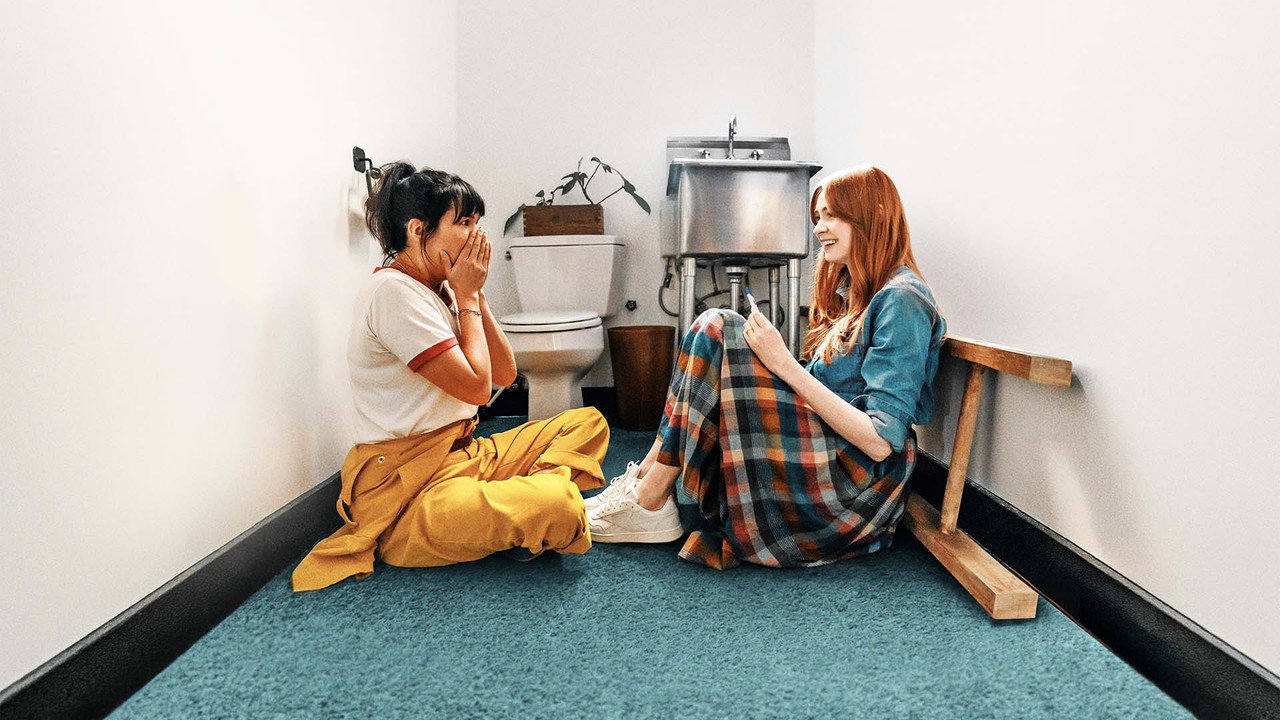
The Ending, Explained
Adam Sztykiel's 2026 comedy Let's Have Kids! runs a tight ninety minutes, and it saves its emotional payoff for a final stretch that reframes everything the two leads have been chasing. If you have already watched it and need the close read, this breakdown covers the Let's Have Kids! ending explained in plain terms — what actually happens on screen, and why the film chooses to land where it does rather than on a tidy either/or.
The short version: the movie is not really about whether a baby arrives. It is about what a friendship can survive once the two people in it stop moving at the same speed. The final act makes that argument concretely, and it does so without turning either woman into the villain.
What Happens
Emma and Phoebe are best friends who make a pact — they will try to get pregnant at the same time so they can go through motherhood side by side. That setup drives the middle of the film, and it is where the tension starts to build. Only one of them conceives. From that point the dynamic shifts: one woman's life is suddenly reorganised around a pregnancy, while the other is left standing in the same friendship with none of the same markers.
The back half of the film pushes that asymmetry as far as it will go. Sztykiel keeps the tone comedic rather than maudlin, but the friction is real — the small comments, the logistics, the way a shared plan quietly becomes one person's plan. By the time the closing scenes arrive, the question is no longer who is pregnant. It is whether the friendship was ever built on equality, or just on proximity.
Fans of ensemble comedies where the emotional turn lands harder than expected might also enjoy The Wedding Year, which plays a similar trick with a milestone event and a relationship under strain.
The Meaning Behind the Ending
Here is where Let's Have Kids! ending meaning becomes the useful frame. The conclusion refuses to hand the audience a clean resolution, because a clean resolution would undercut the premise. If both women ended the film in identical circumstances, the film would be arguing that the pact was right all along — that friendship only works when the two lives mirror each other.
Instead, the ending argues the opposite. The relationship has to be rebuilt on terms that are not symmetrical. One of them gets the pregnancy; both of them have to decide whether the friendship outranks the plan. That is a more interesting question than "do they make up," and it is why the final scenes carry more weight than the premise initially suggests.
It also matters that the film is a comedy. A drama could resolve this with a grand reconciliation speech. Sztykiel's version keeps the register light and lets the characters arrive at something smaller and more honest — an acknowledgement that they are no longer on the same timeline, and that this is survivable.
Themes You Might Have Missed
Underneath the pregnancy premise, the film is tracking a few ideas that are easy to skim past on a first watch.
- Friendship as a timetable. Adult friendships often break not over conflict but over scheduling — one person hits a milestone, the other doesn't, and the shared calendar no longer lines up.
- Comparison as a quiet poison. The pact starts as solidarity and curdles into measurement. Neither woman is malicious; the structure itself does the damage.
- Support versus sameness. The film keeps insisting these are different things. You can support someone whose life no longer resembles yours, but it takes active work.
- Comedy as a pressure valve. Sztykiel uses humour to let the audience sit with discomfort instead of flinching from it.
If you want another take on friendship drifting apart under life-stage pressure, Seriously Single handles a comparable set of questions with a different comic register.
Let's Have Kids!: What We Thought
Karen Gillan and Zoë Chao carry the central pairing, and the film leans on their timing rather than on plot mechanics. Sam Richardson, Max Greenfield, KJ Apa, Ed Begley Jr., Mary Steenburgen and Amanda Crew fill out the surrounding cast, giving the middle section enough texture that it never drags at ninety minutes.
As a director, Sztykiel keeps things brisk and avoids over-explaining. The trade-off is that some of the supporting threads feel thin, and anyone hoping for a broader comedic set piece may find the film more restrained than expected. But the restraint is deliberate — it is a movie about two people rather than about a situation.
Where it succeeds is in refusing to make the pregnancy itself the punchline. The comedy comes from the awkwardness of mismatched lives, not from the fact of motherhood. That is a smaller target, and the film hits it.
For a change of pace, Bar Fight takes a very different route through the same question of what friendships can withstand.
Let's Have Kids! Recap
To bring it together: Emma and Phoebe agree to get pregnant at the same time, only one of them conceives, and the rest of the film tracks the fallout. If you were searching for what happens at the end of Let's Have Kids!, the answer is not a reversal or a hidden twist. The Let's Have Kids! ending is a recalibration — the friendship is renegotiated rather than restored to its original shape.
Read that way, the Let's Have Kids! movie ending is doing something relatively unusual for a mainstream comedy. It declines to reward the original plan. The pact was a fantasy of perfect symmetry, and the film's final position is that the friendship is worth more than the symmetry ever was. That is a modest conclusion, delivered without fireworks, and it is the reason the ending lingers longer than the premise suggests it should.
If you have not started the film yet, the first act is best experienced cold — the setup is more effective when you do not know which woman conceives. Come back to this breakdown afterwards, and the closing scenes should read a little differently the second time.