Law & Order (1990): Inside NYC's Criminal Justice System
Law & Order (1990) shows police and prosecutors working together to navigate the criminal justice system and make New York safer.
October 17, 2026
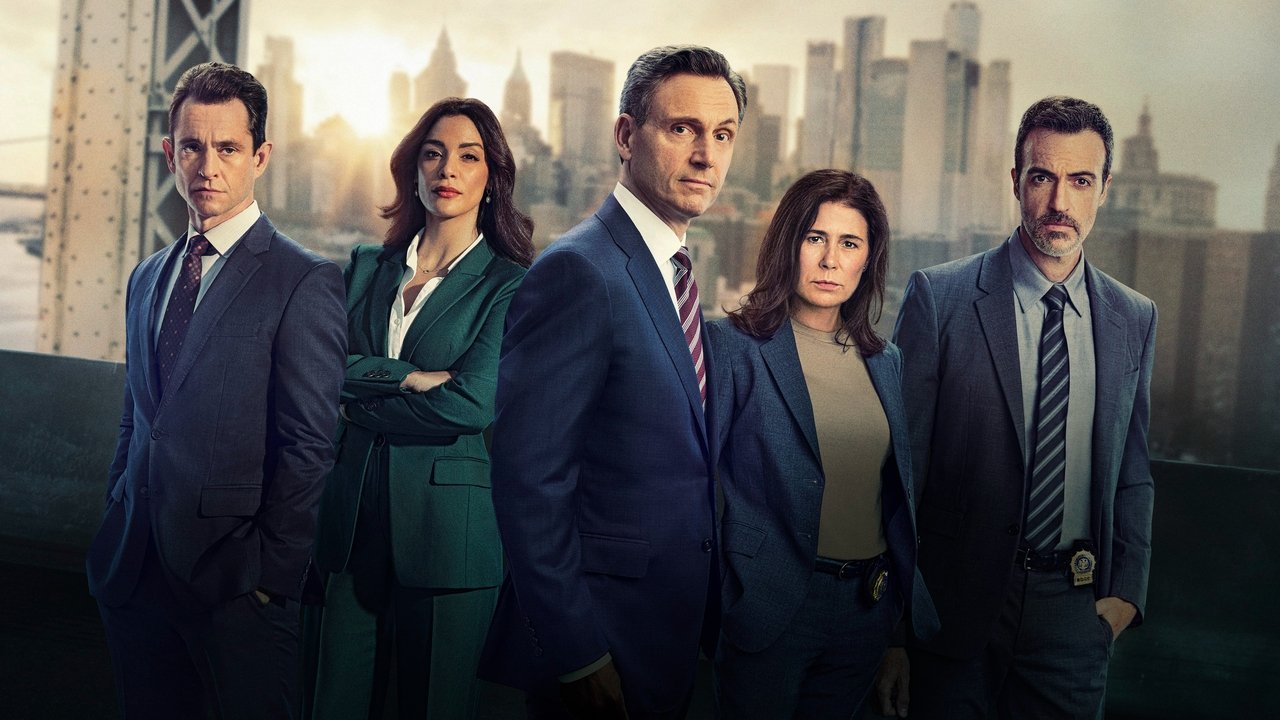
The Ending, Explained
When people sit down to watch the long-running procedural that began as Law & Order 1990, they often expect a neat resolution to each case. The series builds its reputation on stories ripped from the headlines, where police and prosecutors tackle serious and often deadly crimes. Without revealing how any specific investigation opens, it is fair to say that the closure arrives after a rigorous legal process. For viewers who want a concise Law & Order ending explained, the answer lies in the final act of the criminal justice system rather than in a twist. The police gather evidence and question suspects until an arrest is made, then the district attorney's office takes over to prove guilt beyond a reasonable doubt. That transition from street to courtroom is where the narrative finds its conclusion.
The show's structure avoids spoiling the first act because the early moments are about discovery. By the time the case reaches a judge, the audience has seen the evidence weighed. The tagline "Truth matters" sums up the philosophy that the ending is not about shock but about accountability. If you enjoy this kind of courtroom tension, you might also appreciate How to Get Away with Murder, a later series that also thrives on legal strategy and moral ambiguity.
What Happens
The typical episode splits its runtime between two worlds. First, homicide detectives and other police members work through a crime investigation, interviewing witnesses and building a suspect pool. Once someone is taken into custody, the second phase begins. The district attorney's team constructs a case grounded in criminal law, navigating procedural rules to secure a conviction. By the time we reach the Law & Order end what happens, the suspect is already in custody and the legal fight begins. The final scenes usually show the resolution of that fight, whether through a verdict or a negotiated outcome, always emphasizing the complex system at play.
This rhythm means the show rarely lingers on the initial shock of a crime. Instead, it devotes energy to the methodical steps that follow. The experts involved demonstrate how New York City's justice apparatus operates under pressure. The collaboration between police and lawyers illustrates that safety comes from process as much as from arrests. Working together, these teams navigate all sides of the criminal justice system to make the city safer, which is the quiet promise behind every televised story.
The Meaning Behind the Ending
Understanding the Law & Order ending meaning requires looking at the show's moral center. The conclusion of each story is less about punishment for its own sake and more about affirming that the system can function. When the district attorney proves a case beyond reasonable doubt, the result echoes the tagline that truth matters. The ending carries weight because it shows ordinary professionals upholding a standard despite obstacles. It is a quiet statement that criminal justice is a collective effort rather than a single hero's triumph.
The significance of the final act is also thematic. It reminds viewers that a homicide detective's work is only half the battle; the lawyer's argument closes the loop. In a city as dense and diverse as New York, that loop is essential to keep communities secure. The ending thus becomes a civic lesson wrapped in drama, showing that the legal drama is rooted in real social contracts.
Themes You Might Have Missed
A fuller Law & Order explained reveals layered themes beneath the case-of-the-week format. The series consistently highlights the roles of police, lawyers, and the broader criminal justice system. New York City itself acts almost as a character, shaping the stakes and the resources available. The legal drama is not just about winning; it is about the friction between ideal justice and practical limits. Homicide detectives face imperfect evidence, while prosecutors balance ethics with the drive to convict, making the crime investigation a shared burden.
Another subtle thread is the human cost of crime investigation. The professionals involved carry the weight of deadly incidents, yet the show respects their expertise. For those who like this blend of police work and courtrooms, American Crime Story offers a similarly textured look at real-world cases through a different lens, reminding us that the genre still has depth.
Law & Order: Our Final Verdict
With a rating of 7.3 out of 10 across 733 votes, the series clearly resonates with a dedicated audience. The appeal lies in its restrained approach: no gimmicks, just the steady machinery of law. The cast, including Maura Tierney, David Ajala, James Badge Dale, Tony Goldwyn, Hugh Dancy, and Odelya Halevi, brings the institutional roles to life without overshadowing the writing. The show's strength is its refusal to romanticize either side of the process. It presents crime and consequence with equal seriousness, earning its place among enduring procedurals.
If you want another angle on investigators and records, Criminal Record is a modern companion piece that digs into similar questions of evidence and truth. Together, these programs show that the procedural format still has room to say something meaningful about society, and that the search for facts never really ends.
Law & Order Fast Facts
- Title: Law & Order (1990)
- Genres: Crime, Drama
- Rating: 7.3/10 from 733 votes
- Tagline: Truth matters.
- Setting: New York City, focusing on police and district attorney teams
- Main cast: Maura Tierney, David Ajala, James Badge Dale, Tony Goldwyn, Hugh Dancy, Odelya Halevi
- Core themes: police work, legal drama, criminal law, homicide detective roles, crime investigation, criminal justice system
The enduring format proves that a story about the law can be both straightforward and thoughtful. Whether you come for the cases or stay for the principles, the show delivers a consistent message about truth and responsibility that still feels relevant today.