Law & Order: Special Victims Unit (1999): Elite SVU Detectives
Law & Order: Special Victims Unit (1999) follows an elite NYC squad handling heinous sexual offenses through self-contained procedural stories.
October 17, 2026
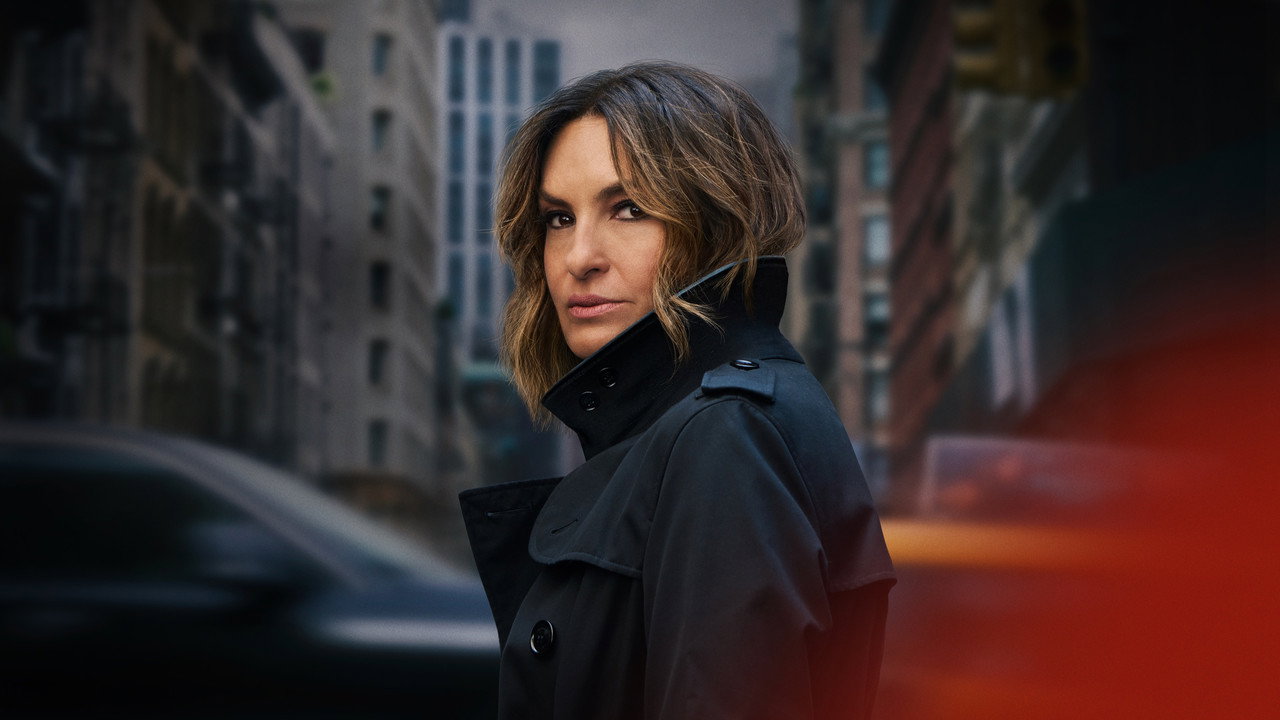
The Ending, Explained
The long-running procedural, Law & Order: Special Victims Unit ending explained, attracts viewers who expect a conclusive finale but instead finds a repeating pattern. Since its 1999 debut, the show has centered on an elite New York City squad that handles sexually-based offenses described as especially heinous. Rather than building a single sprawling narrative, each chapter presents a self-contained story about the dedicated detectives who investigate these vicious felonies.
That structure means the closing beats are familiar yet flexible. After the investigators collect evidence, the narrative usually turns toward interrogation and then the courtroom. The tagline "Hope in the darkness" hints at the emotional resolution the writers aim for. We will walk through the typical closure without revealing the early setup, respecting the wish to avoid spoilers for first-time viewers.
Readers who enjoy this brand of crime storytelling might also appreciate American Crime Story, a similarly structured anthology that examines high-profile cases with a focus on real events.
What Happens
Our discussion of the show, what happens at the end of Law & Order: Special Victims Unit, will focus on the final act rather than the opening minutes. Each installment follows the elite squad as they pursue justice for crimes such as sexual abuse, domestic violence, and sex trafficking. The conclusion arrives when an assistant district attorney or district attorney presents the case before a judge, emphasizing the human cost rather than a twist.
A recent watch party, SVU ending breakdown, highlighted how the last scenes move from interrogation room to courtroom. Themes like domestic abuse and sexual violence inform these closing moments. Performers including Mariska Hargitay and Ice-T ground the material with restrained professionalism that keeps the focus on the victims' stories.
Some observers argue the series paints an overly polished picture of the justice system, yet that perspective does not overshadow the show's consistent rating of 7.96 out of 10 from 4380 votes. The format remains compelling because it balances procedural beats with emotional weight, and the ensemble cast prevents the formula from feeling stale.
The Meaning Behind the Ending
The official tagline, Law & Order: Special Victims Unit ending meaning, suggests that hope persists even after trauma. While the crimes depicted are grim, the closure provided by the squad's work implies a measured optimism. This is not a simplistic victory lap; it is an acknowledgment that dedicated investigators can make a difference in the lives of survivors.
The overall format, Law & Order: Special Victims Unit explained, reveals resilience in both victims and investigators. The final act serves as a reminder that sexual violence and domestic abuse are not invisible, and that the courtroom can be a place where truth is aired. Characters like Kelli Giddish and Peter Scanavino reinforce the ensemble approach to justice within the elite unit.
For those who want another angle on criminal proceedings, Profiler offers a different lens on investigative work, focusing on behavioral analysis rather than trial outcomes.
Themes You Might Have Missed
Beyond the obvious crime procedural elements, the show weaves in several quiet motifs. Database keywords highlight detective work, sexual abuse, sex scandal, domestic abuse, sexual violence, domestic violence, criminal activity, sex trafficking, interrogation, district attorney roles, courtroom drama, and assistant district attorney functions. These are not just tags; they form a tapestry of social commentary about how society addresses heinous acts.
One subtle thread is the interplay between interrogation and courtroom. The interrogation room is where suspects are confronted, but the courtroom is where accountability is formalized. Another missed theme is institutional support: the squad operates as an elite unit, yet they rely on district attorneys to finalize their efforts. The tagline "Hope in the darkness" gains depth when you notice how often the stories pivot from despair to procedural action.
It is also worth noting that some commentators feel the program reinforces establishment narratives about the justice system rather than challenging them. Without copying that critique, we can say the show tends to present the system as imperfect but functional, which sparks debate among viewers who see real-world flaws. This tension adds a layer of meaning to the ending, where resolution is offered but not guaranteed in every real case.
Fans of tense legal dramas may also want to stream The Fix, which puts a former prosecutor at the center of a personal quest for justice inside a courtroom setting.
The Bottom Line on Law & Order: Special Victims Unit
After more than two decades since its 1999 debut, the series holds a solid 7.96 rating from 4380 votes. That score reflects a loyal audience that values the combination of crime, drama, and mystery. The main cast—Mariska Hargitay, Ice-T, Kelli Giddish, Peter Scanavino, Aimé Donna Kelly, Kevin Kane, and Corey Cott—brings consistency to the evolving storylines.
The show's greatest strength is its ability to tackle difficult subjects like sexual violence and sex trafficking with a formula that still feels urgent. While some argue the characterizations can be predictable, the ensemble prevents staleness. The final act of any given episode typically leaves viewers with a sense of cautious hope, echoing the official tagline.
If you are new to the franchise, start with the premise: in the criminal justice system, sexually-based offenses are considered especially heinous, and in New York City the dedicated detectives who investigate these vicious felonies are members of an elite squad known as the Special Victims Unit. Those are their stories, and each one ends with a return to that foundational principle.
Law & Order: Special Victims Unit Key Details
Here is a quick reference list for the essential facts covered above:
- Title: Law & Order: Special Victims Unit (1999)
- Genres: Crime, Drama, Mystery
- Rating: 7.96/10 based on 4380 votes
- Tagline: Hope in the darkness.
- Main cast: Mariska Hargitay, Ice-T, Kelli Giddish, Peter Scanavino, Aimé Donna Kelly, Kevin Kane, Corey Cott
- Core themes: detective work, sexual abuse, domestic abuse, sex trafficking, interrogation, district attorney, courtroom
The plot summary remains iconic: in the criminal justice system, sexually-based offenses are considered especially heinous, and the elite squad in New York City investigates them. This structure is why the ending explained above feels both repetitive and reassuring to a large audience.