Late Night with David Letterman (1982): How a Franchise Began
A look at how David Letterman's 1982 NBC talk show launched the Late Night franchise.
October 24, 2026
The Ending, Explained
When people look back on the NBC run that started in 1982, they often want a clear The Late Show with Stephen Colbert style recap of how a long talk show actually closes. In the case of this program, the Late Night with David Letterman ending explained piece is less about a scripted finale and more about a real change in late-night television history. The show did not end with a planned last episode in the usual sense; it ended because Letterman left NBC in 1993.
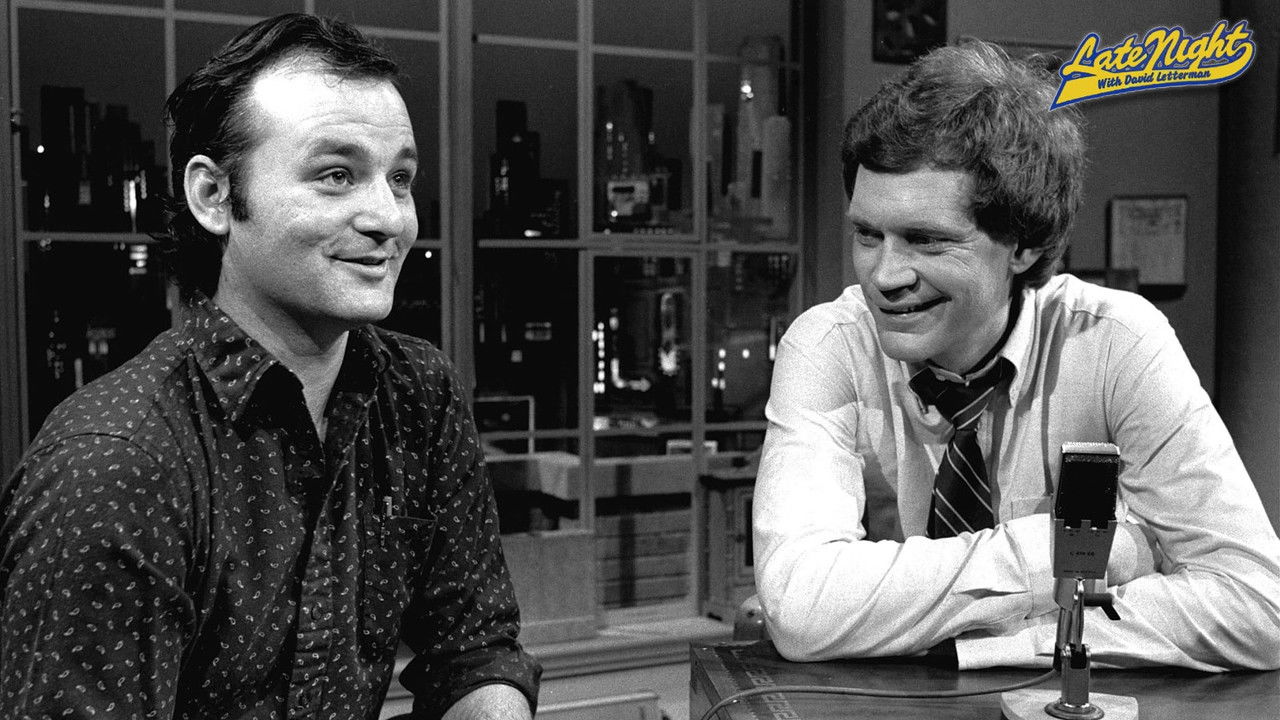
To understand the close, it helps to first see the program as a nightly hour-long comedy talk show created and hosted by David Letterman. It was the first incarnation of the Late Night franchise. When he moved to CBS to do the Late Show, the NBC slot kept going with another host. That handoff is the real ending of the original version.
What Happens
The basic sequence is straightforward. The series premiered in 1982 and ran for over a decade. After Letterman departed NBC in 1993, what happens at the end of Late Night with David Letterman is that the time slot continued with Late Night with Conan O'Brien. Later, on March 2, 2009, Late Night with Jimmy Fallon took the slot, and Seth Meyers was set to take over in spring 2014 after Fallon moved to The Tonight Show.
So the program did not vanish. The original hosted run stopped, and the franchise was passed along. That is the practical answer for anyone asking Late Night with David Letterman explained in simple terms: one host left, the slot lived on under new names.
Fans of bizarre comedy may also enjoy The Eric Andre Show, which carries a similarly audacious late-night energy in a different format.
The Meaning Behind the Ending
The Late Night with David Letterman ending meaning is tied to career moves and network competition. Letterman left NBC and moved to the Late Show on CBS. The reason often summarized by viewers is that why did Letterman leave NBC comes down to his departure from the network to host a new show on another channel in 1993.
This shift mattered because it changed where a major late-night personality could be seen. The original NBC show became a closed chapter, but the host's style continued on a different network. The ending is therefore less a stop and more a relocation of a comedy voice.
Themes You Might Have Missed
Beyond the host change, the program is best described by words like whimsical and audacious. Those qualities shaped the tone across its years. As a talk show and late-night show, it built a space where odd bits and bold choices were normal.
The themes are not hidden in a plot, since this is a talk format. They show up in the approach: a willingness to break from expected late-night patterns. That whimsical, audacious streak is part of why the ending feels like a turning point rather than just a cancellation.
If you want to compare with another chat-based format, The Late Late Show with Craig Ferguson offers a different but related take on late-night spontaneity.
Late Night with David Letterman: The Bottom Line
The show holds a rating of about 6.161 out of 10 from 62 votes, which reflects a small sample rather than broad consensus. Its place in TV history is bigger than the number suggests. It launched a franchise, defined a host's early career, and set up later shifts in the late-night landscape.
The bottom line is that the ending is really a transition. Letterman's NBC run closed in 1993, but the slot kept evolving through Conan O'Brien, Jimmy Fallon, and Seth Meyers. The original remains the first incarnation of something that outlasted its creator's time on the network.
Late Night with David Letterman Cheat Sheet
- Title: Late Night with David Letterman
- Premiere: 1982 on NBC
- Host: David Letterman
- Format: Nightly hour-long comedy talk show
- End of original run: 1993 when Letterman left for CBS
- Next NBC hosts: Conan O'Brien, then Jimmy Fallon in 2009, then Seth Meyers in 2014
- Genres: Comedy, Talk
- Key tones: Whimsical, audacious
- Rating noted: 6.161/10 from 62 votes
This cheat sheet sums up the arc without spoiling the early appeal. The program's first years built its reputation, and the later move is what people now describe when they ask for a breakdown of the end.