Late Night with Conan O'Brien (1993): Sheer Strangeness Defined
A look at how Late Night with Conan O'Brien (1993) used odd walk-on characters and celebrity guests to deliver a uniquely strange talk show ending.
October 25, 2026
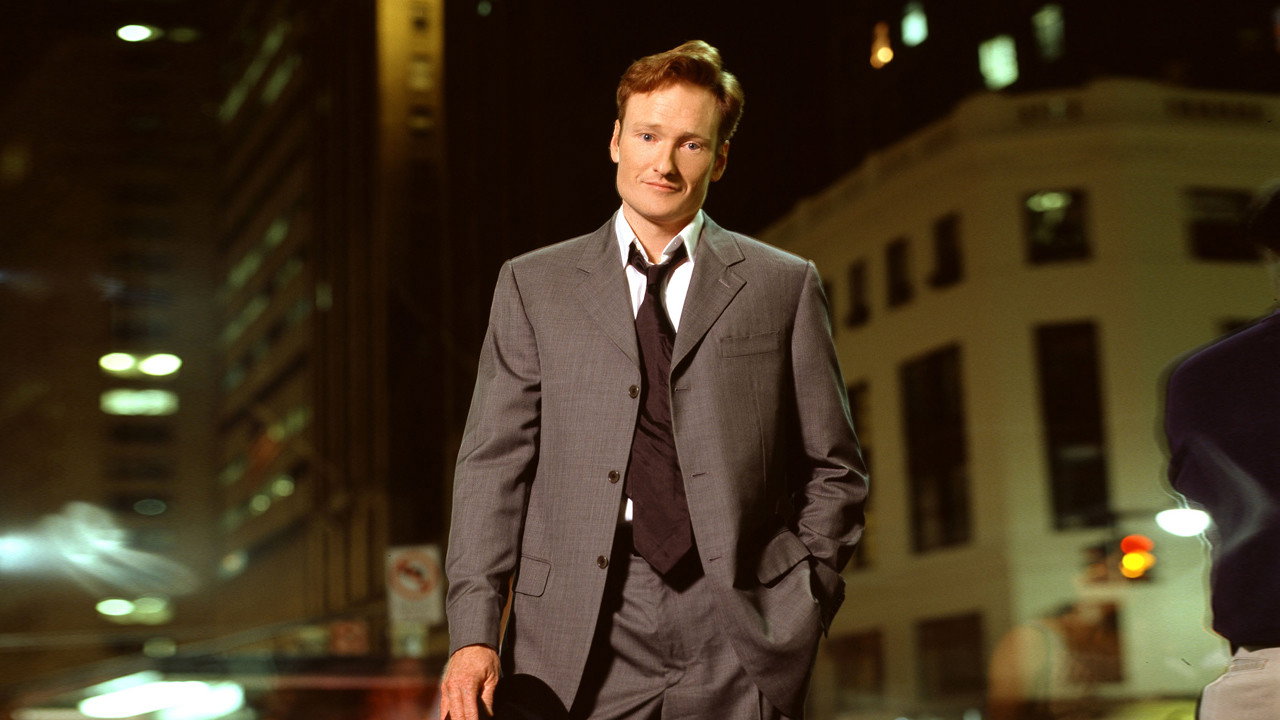
The Ending, Explained
When a program that built its identity on unpredictability reaches its closing chapter, audiences naturally look for resolution. The finale, Late Night Conan O'Brien ending explained, shows the host's strange style persisting until the final credit. Rather than pivot to a sentimental format, the production doubled down on the bizarre walk-on characters that had become its signature. We will not dwell on the opening stretch, since the early days have been covered elsewhere; instead, this breakdown concentrates on the latter portion that defined the show's legacy.
Stepping into the late-late slot vacated by David Letterman, Conan O'Brien crafted a comedy environment that far outdoes its competition in sheer strangeness. By the time the run concluded, that strangeness had crystallized into a reliable pattern of celebrity interviews, musical numbers, and unexpected interruptions. The ending does not rely on a single twist. It simply amplifies the elements that made the series distinct.
If you enjoy this brand of boundary-pushing television, you may also appreciate The Larry Sanders Show, a fellow comedy that peels back the curtain on broadcast culture.
What Happens
The latter block of broadcasts maintained the structure viewers expected. Host Conan O'Brien sat at the desk, exchanged jokes, and welcomed famous faces. The last segment, end of Late Night Conan O'Brien, featured a musical number and the usual odd appearances from guests who were not always formally introduced.
Numerous Late Night Conan O'Brien episodes made use of walk-on characters, a tactic that defined the later identity. These figures would appear mid-interview or during a standard routine, breaking the fourth wall in a way that traditional talk programs avoided. Joel Godard, listed among the main cast, contributed to the offbeat atmosphere through his announcements and deadpan presence.
Beyond the scheduled interviews, the show relied on frequent "visits" from celebrity guests. This device allowed a famous actor or musician to pop in without the typical seated conversation, reinforcing the irreverent tone. The final acts kept this mechanism intact, proving the format was not a phase but a foundation.
The blend of standard talk-show beats with surreal intrusions meant that no two nights felt identical. Even the announcer's role, filled by Joel Godard, could be repurposed for comedy rather than mere introduction.
The Meaning Behind the Ending
Closure in a sketch-driven series is less about plot and more about perspective. His last bow, Late Night Conan O'Brien ending meaning, points to a shift in late-night television. The program, Late Night with Conan O'Brien explained, thrived on irreverence rather than traditional format. It demonstrated that a show could honor the conventions of the genre—monologues, bands, couch chats—while subverting them with absurdity.
The significance of the final act lies in its refusal to normalize. Where many successors smoothed their edges to attract broader demos, this one wore its weirdness as a badge. The departure from the late-late slot previously held by Letterman became a statement: the chair could host surreal humor without losing the core talk-show spine.
Understanding the closure requires seeing the program as a continuation of the late-late tradition rather than a break from it. The strange devices were not added late; they were present and simply matured.
For a modern take on conversational comedy, try Comedians in Cars Getting Coffee, which also blends casual chat with lighthearted spontaneity.
Themes You Might Have Missed
Under the surface gags, the series championed spontaneity as a creative principle. The repeated use of unannounced characters suggests a distrust of rigid scripting. Each interruption is a small rebellion against the polished phone-screener culture of network television.
Music played a constant thematic role. Not merely as performance but as punctuation for the bizarre. A musical guest could be overshadowed by a costumed performer wandering behind the band, yet that contrast was intentional. It highlighted the hilarious friction between standard late-night ritual and Conan's particular vision.
Fans of sketch-driven humor should browse A Black Lady Sketch Show for a similar irreverent pulse, though its structure differs from a talk program.
Another subtle thread involves the host's relationship with the audience. By acknowledging the oddness directly, O'Brien turned viewers into co-conspirators. The "visits" from celebrities felt like inside jokes shared across the screen.
Our Rating for Late Night with Conan O'Brien
Aggregated viewer feedback places the show at 7.322 out of 10 following 169 votes. That score reflects a dedicated niche rather than mass consensus, which fits a program built on strangeness. We consider the rating a fair mirror of its originality: not every viewer will embrace the walk-on chaos, but those who do tend to value it highly.
In our view, the series earns a strong recommendation for anyone exploring comedy history. Its influence on subsequent talk formats can be traced through the willingness of later hosts to experiment with form. The rating underscores that the ending, while unconventional, left a positive impression on its community.
While the vote count is modest, the average suggests a consistent experience rather than a divisive one. Fans of offbeat humor will likely find the score understates their personal enjoyment.
Late Night with Conan O'Brien Key Details
The title sits within the comedy and talk genres. Conan O'Brien headlines alongside Joel Godard. It claimed the late-late broadcast window after David Letterman moved on, and quickly separated itself by outdoing rivals in sheer oddness.
Typical elements include celebrity interviews and musical numbers, yet the program frequently used odd walk-on characters and celebrity "visits". This combination created a hybrid that remains referenced in discussions of innovative late-night content.
The irreverent tag fits a show that treated celebrity appearances as raw material for jokes rather than promotional stops. Its hilarious reputation grew from these risks.
To summarize the key facts: the show is a talk show, late-night show, irreverent, music, hilarious according to its tags. The main cast duo carried the bit through each broadcast, leaving a template for weirdness that later entries would borrow.