Lassie (1954): A Heartwarming Rural Friendship
Lassie and 11-year-old Jeff Miller share countryside adventures that teach love, nature, and commitment.
October 26, 2026
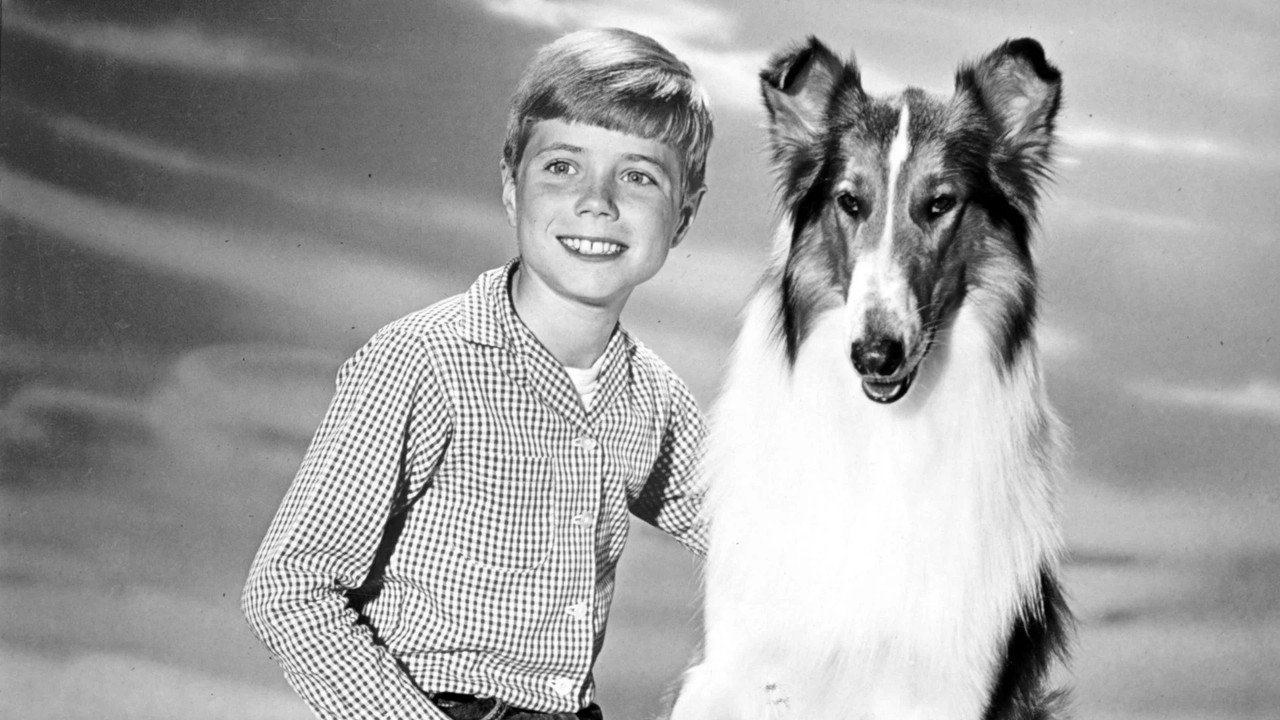
The Ending, Explained
When people sit down to watch the 1954 family film Lassie, they often come away curious about the closing scenes. The phrase Lassie ending explained appears in many searches because the final act quietly resolves the relationship between a young farm boy and his loyal companion. Without revealing the early setup, the movie builds toward a gentle confirmation of the bond formed throughout the American countryside. Jeff Miller, played by Josh Albee, shares his days with a remarkable dog, and the last portion emphasizes how those shared experiences shape both of them.
The story belongs to the Action & Adventure, Drama, Family, and Comedy genres, balancing lighthearted moments with sincere emotion. Hugh Reilly, Larry Pennell, and Larry Wilcox round out the main cast around the central boy and dog pairing. While the rating of 6.327 out of 10 from 75 votes suggests mixed modern reception, the narrative stays focused on warmth rather than spectacle. The ending does not rely on a twist; instead, it shows the value of commitment the characters have learned.
What Happens
To clarify what happens at end of Lassie, we look at the broader plot movement. The film follows Jeff and his pet as they enjoy family adventures that teach each other about love, nature, and commitment. By the final scenes, those lessons have taken root. The boy and dog have become best friends, and the countryside serves as backdrop for their mutual education. Lassie explained in simple terms is a story about a child and his animal companion growing together through everyday wonders.
We never see a dramatic rupture or forced separation; the emphasis stays on connection. The absence of a convoluted first-act secret means later moments feel earned. Jeff’s age, eleven years old, grounds the perspective in a childhood lens that keeps tone accessible to family viewers. The adventures are not about saving the world but understanding small rhythms of rural life. Larry Wilcox and the other adults provide the environment that makes those rhythms believable.
The Meaning Behind the Ending
The Lassie ending meaning revolves around the idea that love is practiced rather than declared. Through time spent in fields and homes, the characters demonstrate that commitment is a daily choice. The dog teaches the boy about loyalty, while the boy introduces the dog to human family structure. This exchange mirrors the themes of nature and care running through the movie. The final act holds a mirror to the preceding friendship, showing both sides changed for the better.
Because the film mixes comedy with drama, the ending can be soothing and reflective. It asks viewers to consider what they owe to those they care for. The rating just above six out of ten might reflect expectations of higher stakes, but the modest scope is itself a statement. The final act confirms the relationship is the point, not any external goal. When the screen fades, the takeaway is durability of a bond built on mutual teaching.
Themes You Might Have Missed
Several undercurrents deserve attention. The keyword trio of dog, boy and dog, and lassie points to simplicity, yet execution touches on responsibility. When a child learns from an animal, the usual hierarchy reverses; the dog becomes teacher as much as friend. That subtle role swap is easy to overlook amid outdoor fun. The theme of nature functions as the classroom where love and commitment are demonstrated.
Fans of gentle rural storytelling might enjoy other programs on our site. For example, The Adventures of Tintin brings a different exploration, though still anchored by a loyal companion dynamic. The clarity of friendship across species resonates in both works.
If you prefer comedy woven into family viewing, Goof Troop offers a lighter take on intergenerational relationships and pets. While not a countryside drama, it shares warmth of shared household adventures and learning through play.
Another option for animated mischief is Earthworm Jim, which stretches the hero animal idea to absurd extremes. It shows how far the boy and dog template can be reimagined while centering on a charismatic creature who teaches those around him.
Returning to Lassie, nature appears not as setting alone but as classroom. Fields and farm tasks instruct Jeff about patience. The dog’s instincts complement the boy’s learning. This quiet pedagogy is missed by viewers who watch only for plot. The genre blend ensures lessons never feel like lectures; they are embedded in action and laughter.
Lassie: The Bottom Line
The 1954 release remains a modest entry in family entertainment. Its strengths lie in sincerity and chemistry between Josh Albee and his canine co-star. Supporting performances from Hugh Reilly, Larry Pennell, and Larry Wilcox give the world a lived-in feel. With runtime not listed and tagline absent from records, the movie relies on character. The score of 6.327 from 75 voters places it as curiosity rather than landmark, yet it fulfills its genres.
Those who preview the Lassie 1954 trailer will notice emphasis on outdoors and bonding rather than conflict. That approach aligns with the actual ending, which rewards attention to relationship over event. The film’s combination of Action & Adventure with Comedy keeps it from feeling like heavy drama, even when touching commitment. For parents seeking wholesome viewing, absence of dark twists is a feature.
Lassie Summary
In sum, the picture presents Jeff Miller and his pet Lassie enjoying family adventures in the American countryside, teaching each other about love, nature, and commitment. The closing scenes solidify the boy and dog as best friends whose connection transcends simple ownership. The cast including Hugh Reilly, Josh Albee, Larry Pennell, and Larry Wilcox supports the intimate scale.
Viewers seeking a breakdown should remember the final act is less about surprise and more about confirmation. The rating of 6.327/10 from 75 votes places it as a relic of its era rather than masterpiece, but for right audience it delivers what genres promise. The dog, boy, and land form a triangle of growth defining the experience. By understanding the ending, we see the film’s true subject is quiet education of love.