LA BOLA NEGRA (2026): Three Men Linked by Desire and Pain
A war drama tracing three men's intertwined lives across decades, with an ending explained and thematic analysis.
November 6, 2026
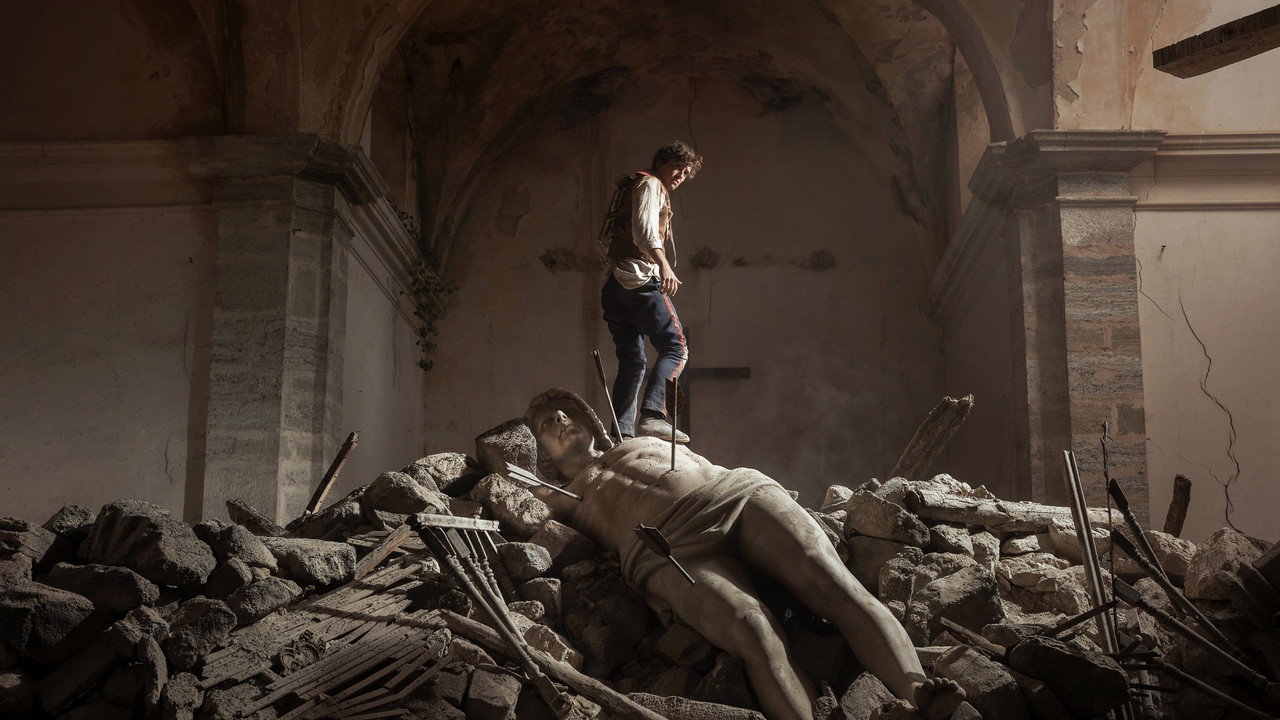
The Ending, Explained
Javier Ambrossi's dramatic war film LA BOLA NEGRA (2026) adapts a literary source to trace the intertwined lives of three men across separate decades. The story moves through the Spanish Second Republic of the 1930s, the brutality of the civil war that followed, and the social landscape of the 2010s. Rather than open with early plot points, this breakdown looks at how the final act lands. The LA BOLA NEGRA ending explained walkthrough here begins with the film's structure rather than its opening scenes. Running 159 minutes, the picture earns an 8.0 out of 10 score from 179 voters, a sign that its patient, lyrical method resonates with those who stay for the whole journey.
The narrative refuses to treat its eras as isolated. Sexuality, desire, pain, and legacy form a thread that binds the characters even when history tries to erase them. Ambrossi frames the closing movement as a meditation, not a mystery. The adaptation honours its literary origin by preserving a multi-generational viewpoint, and the camera often lingers on faces to let the lyrical quality of the writing surface through performance. Viewers who appreciate historically rooted LGBTQ dramas might also enjoy Billy Elliot, which similarly connects personal awakening to a wider cultural moment.
Because we are avoiding spoilers for the first act, we can say only that the early portions establish the separate worlds of the three protagonists. The final reel then recontextualizes those setups. Tagline "Love leaves a legacy" is not a phrase slapped on for marketing; it is the emotional thesis that the ending pays off. The philosophical tone builds slowly, rewarding patience rather than demanding immediate clarity.
What Happens
Without revealing the introductory chapter, the last section of the movie brings the three timelines into a quiet, resonant alignment. The closing sequence, specifically what happens at the end of LA BOLA NEGRA, echoes the tagline about love's legacy. We see how the men's experiences of gay identity and romantic longing mirror one another across the decades. The performances from Guitarricadelafuente, Milo Quifes, Carlos González, Miguel Bernardeau, Lola Dueñas, Penélope Cruz, Glenn Close, and Julio Torres ground this convergence in human feeling.
The film does not rely on a twist to deliver impact. Instead, the events of the conclusion underscore continuity: the pain inflicted by repression and the desire to love freely are inherited, just as joy can be. This is a war drama that finds its resolution in emotion rather than battlefield outcome. The war drama elements never overshadow the personal; historical upheaval serves as contrast to private tenderness. For those who want a different historical perspective, Anatomy of a Murder provides a classic study of moral ambiguity within a courtroom frame.
By the final minutes, the philosophical tone that marked the middle section blossoms into an inspirational statement. The 2010s thread especially illuminates how earlier struggles inform present-day freedoms. It is a lyrical, romantic closure that respects the audience's intelligence and avoids tying everything into a neat bow. The legacy the characters leave is emotional, not transactional.
The Meaning Behind the Ending
The LA BOLA NEGRA ending meaning analysis below centers on how desire and pain connect the characters. The conclusion suggests that legacy is not merely genetic or textual; it is carried in the acts of love that survive authoritarian attempts to suppress them. Ambrossi uses the Spanish Civil War backdrop not as a costume but as a force that shapes intimate choices. The philosophical stance invites viewers to consider legacy as an active choice rather than a passive inheritance.
When the three eras overlap in the last act, the film argues that understanding our predecessors' sexuality and suffering lets us live more truthfully. That is why the picture feels necessary for queer generations and why it confronts any lingering fascination with fascism. The 8.0 rating indicates that this message lands without becoming didactic. The ending's meaning also lies in its refusal to punish characters for who they are. Across the 1930s, the war years, and the 2010s, the through-line is romantic hope.
This is a dramatic war entry that leaves viewers with a sense of inherited light. The final images do not explain away the past; they let the past speak to the present through endurance. Such a resolution feels earned because the runtime allowed each man's story to develop its own texture before the merge.
Themes You Might Have Missed
A full LA BOLA NEGRA explained overview must note the source novel and the Spanish Civil War backdrop. The book-based structure allows the movie to shift fluidly between philosophical reflection and tangible period detail. Within the 1930s setting we glimpse the Spanish Second Republic, a brief democratic experiment crushed by conflict. The later 2010s segment shows the distance traveled and the roads still incomplete. The Spanish Civil War (1936-39) and the Second Republic (1931-39) provide more than setting; they represent the political stakes of queer existence.
Several motifs reward a second viewing. The gay theme is not confined to one timeline; it recurs as a quiet act of resistance. The lyrical cinematography and inspirational pacing mean that even silent glances carry weight. War is present, but the LGBT experience is the true battlefield of identity. If you enjoy biographical wartime tales, The Catcher Was a Spy offers another angle on historical pressure and personal conviction.
Other understated ideas include the role of art as transmission. Characters in each era relate to music or writing, hinting that creation is how legacy survives. The romantic thread is not escapist; it is the engine of survival. A viewer focused only on plot may miss how the philosophical label applies to tiny gestures as much as to grand speeches.
LA BOLA NEGRA: The Bottom Line
The LA BOLA NEGRA 2026 film runs 159 minutes and holds an 8.0 rating from 179 votes. It is a challenging but rewarding drama that demands attention to its final act. The 159-minute length allows the three stories to breathe, and the score suggests widespread appreciation among the voters who rated it. The ending does not explain away the past; it lets the past speak to the present through love's endurance.
For a free streaming blog audience, this is a title worth scheduling. The cast alone, featuring Penélope Cruz and Glenn Close alongside newer Spanish talent, justifies the runtime. The war genre elements are balanced by intimate, gay-themed storytelling that feels both specific and universal. Few films manage to be lyrical and historically grounded without losing emotional immediacy.
Ultimately, the picture stands as an inspirational meditation on how desire and pain echo through time. It avoids first-act spoilers here, but the breakdown above should help you process the conclusion. The tagline proves true: love does leave a legacy, and the film's final act is where we witness that inheritance.
LA BOLA NEGRA Essentials
Here are the core details for quick reference:
- Director: Javier Ambrossi
- Genres: Drama, War
- Runtime: 159 minutes
- Rating: 8.0/10 from 179 votes
- Tagline: Love leaves a legacy
- Main cast: Guitarricadelafuente, Milo Quifes, Carlos González, Miguel Bernardeau, Lola Dueñas, Penélope Cruz, Glenn Close, Julio Torres
- Setting eras: Spanish Second Republic (1931-39), Spanish Civil War (1936-39), 2010s
- Themes: based on novel or book, lgbt, gay theme, philosophical, lyrical, inspirational, romantic
The film's structure of three men in three eras linked by sexuality, desire, pain, and legacy makes the ending a payoff rather than a puzzle. We hope this breakdown clarified the final act without spoiling the early journey. Whether you came for the war drama or the queer romance, the conclusion offers a resonant answer to the question of what we pass on to those who follow.