Klara and the Sun (2026): An Artificial Friend's Hope
Klara, an Artificial Friend, uses her innocent wonder to heal Josie's grieving family in this 2026 sci-fi drama.
October 27, 2026
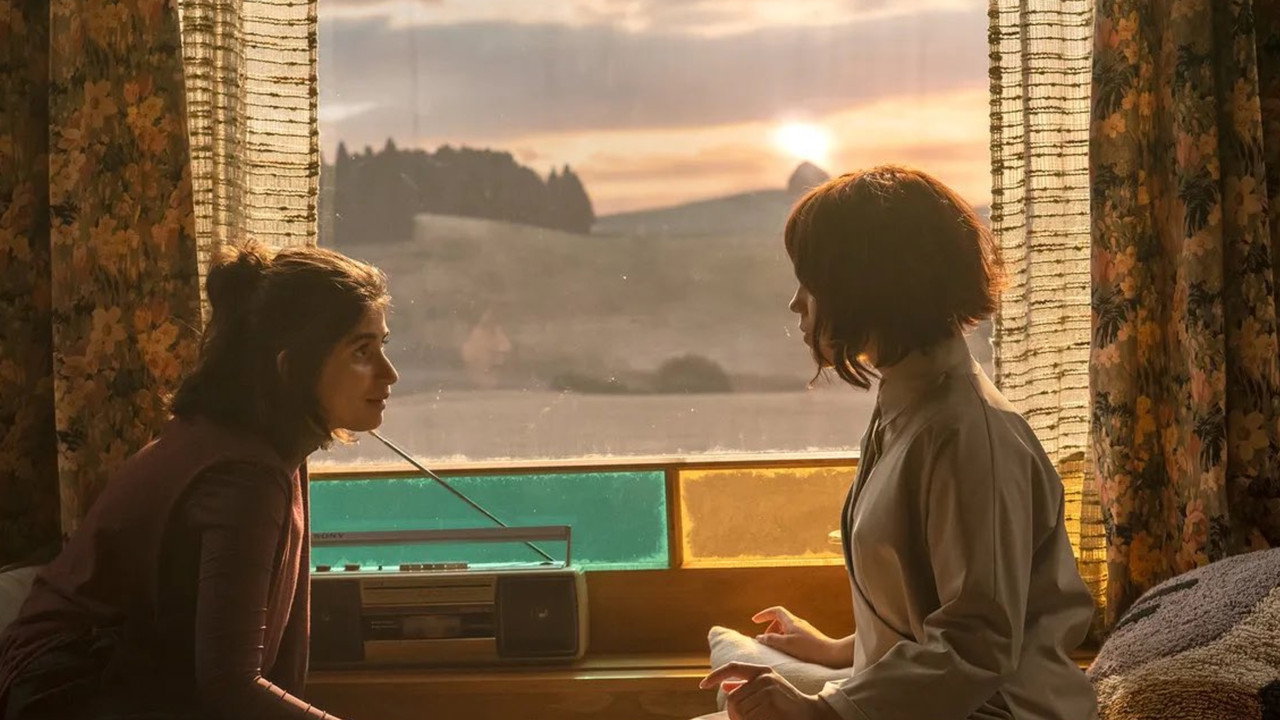
The Ending, Explained
Klara and the Sun arrives in 2026 as a science fiction drama directed by Taika Waititi, running a tight 116 minutes. Without recounting the early setup that introduces the isolated farm and its residents, we can focus on the closure that the film offers. For those who want a clear map, our breakdown shows Klara and the Sun ending explained the role of a manufactured companion in a grieving household. Jenna Ortega leads the cast with a performance that carries the gentle tone, supported by Amy Adams and Steve Buscemi in the ensemble. The score by Michael Giacchino underscores the final act with warmth, making the resolution feel earned rather than forced.
Viewers who enjoy thoughtful machine-human stories should also revisit A.I. Artificial Intelligence, which explores a similar longing for connection from a synthetic perspective. Both films share a quiet sadness about loneliness, though Waititi's approach keeps its humor kindly and restrained.
What Happens
As the narrative reaches its final stretch, the story stops repeating its earlier gentle beats and pushes its ideas about humanity, faith, and isolation to the front. The film shows Klara and the Sun ending events with care, reshaping the family's path: the mother and daughter, who have carried unspoken loss, begin to speak with honesty, and the artificial presence that has observed their pain helps reflect a pure form of loyalty. The sun, a recurring visual motif, becomes a literal and metaphorical source of renewal on the farm. While the script avoids tidy answers, the last scenes present a household touched by light where before there was distance.
The pacing in this section improves once the repetitions fade, and the pixelated viewpoint of the central observer gives the closing images an almost storybook quality. Rachel House and Natasha Lyonne add texture to the supporting roles, but it is the bond between the ailing girl and her unusual caretaker that holds attention.
The Meaning Behind the Ending
The film's closing chapter leaves room for interpretation. The finale shows Klara and the Sun ending meaning with subtlety, centering on whether a created being can truly repair human fractures. The ambiguous messaging around using artificial companions for lonely children sits uneasily, yet the emotional payoff is real. Klara's innocent wonder is not a substitute for family, but it acts as a mirror that shows the characters what they have neglected. In this light, the ending is less about solving a twist and more about accepting that healing can arrive through unexpected, even manufactured, kindness.
We can extract further insight from the way the camera lingers on sunlight after the conflict eases. The dystopian backdrop hints that such friendships may be engineered by necessity, but the feeling on screen remains sincerely human. Mia Tharia and Aran Murphy round out the younger cast, giving the world a sense of continuity beyond the main pair.
Themes You Might Have Missed
Beyond the surface plot, the story features Klara and the Sun artificial friend prominently, inviting questions about what makes a relationship valid. Friendship, family bonds, and mother-daughter tension weave together with a soft dystopian setting. The source novel's literary roots show in the restrained dialogue and the focus on internal change rather than external action. Davida McKenzie appears among the performers who flesh out this near-future society where companionship can be bought but love remains earned.
If this theme resonates, you might appreciate Light of My Life, a separate drama about protective family love in a strained world. Likewise, Life Like examines synthetic partners with a cooler tone that contrasts Waititi's warmth. Both are worth streaming after you finish this one.
Another layer is the constant presence of the sun, not just as weather but as hope. The tagline "Meet the future of friendship" gains weight only once you see how the central creation interprets light as a gift to share. The rating of 5.7/10 from a small vote pool suggests the film divides viewers, yet its emotional core is difficult to dismiss completely.
The Bottom Line on Klara and the Sun
Klara and the Sun may lean sentimental in its last movement, and some scenes echo each other more than necessary, but the breakthrough moments land with authentic feeling. Taika Waititi keeps his comedic instincts subtle, letting the performances breathe. The runtime respects your time, and the final act delivers the ideas that the earlier sections only hint at. For a streaming audience seeking a thoughtful drama rather than a spectacle, this original article recommends giving it a watch with an open heart.
The combination of Jenna Ortega's expressive work and a score that knows when to stay soft makes the conclusion stick. Even if the messaging about AI helpers for isolated kids feels unresolved, the experience leaves a trace of light.
Klara and the Sun Explained
In summary, the movie presents a near-future where a designed companion learns that devotion is not about function but about presence. We have walked through the late narrative without touching the opening beats, and the picture should now feel coherent. The fusion of science fiction and domestic drama results in a tale that values small restorations over grand revelations. Whether you find the ambiguity frustrating or refreshing, the journey of this unusual friend offers a calm reflection on loss and renewal.
Remember that the story is based on a book, and the film trims its introspection into a 116-minute window. The ensemble, including Amy Adams and Steve Buscemi, supports a central performance that carries the gentle heart forward. That is the full scope of Klara and the Sun explained for those who needed a breakdown of the ending's weight.