King of the Hill (1997): Hank's Values Meet Daily Chaos
Hank Hill's conservative values face gentle challenges from his family and beer-drinking neighbors in this Texas animated sitcom.
October 21, 2026
The Ending, Explained
Set in the heart of Texas, the animated sitcom created by Mike Judge and featuring voices like Kathy Najimy and Pamela Adlon spans a portrait of a propane salesman's household. While we won't touch the early episodes, the closure of the show rewards patience. The final act is King of the Hill ending explained for newcomers. Hank Hill's traditional stance on God, family, and country faces one more gentle test as his beer-drinking buddies and relatives gather. The series, rated 7.412/10 from 709 votes, never needed a twist to satisfy.
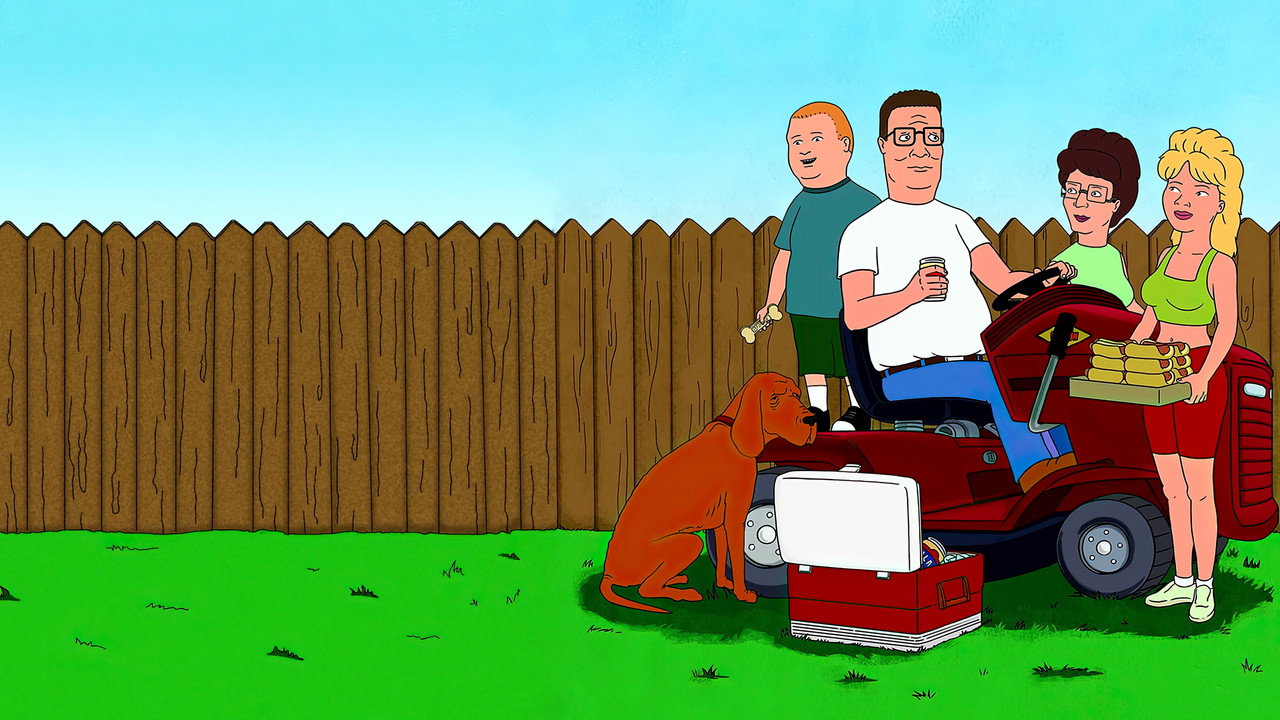
The beauty of the conclusion lies in its restraint. Instead of a dramatic reboot, the narrative lets the Hill family sit with their established rhythms. Hank's wife Peggy, described in the official synopsis as an overly confident substitute Spanish teacher, keeps her buoyant spirit. Their son Bobby, a wannabe comedian, and the naive niece Luanne round out a household that feels lived-in. The tagline "Return of the king" suggests a reaffirmation of Hank's place, not a overthrow.
Maybe you also like old western family dramas; check out Bonanza for a similar look at household values under open skies.
When we examine the closing frame by frame, the absence of shock is the point. The show belongs to the adult animation category, yet it refuses to chase shock humor. That decision alone makes the finale memorable for the right reasons.
What Happens
As the later chapters unfold, Hank continues selling propane while Peggy manages home matters. Bobby and Luanne grow through small conflicts. We can summarize what happens at the end of King of the Hill by noting the family's steady life. No sudden shock arrives; instead the neighborhood barbecues and conversations with neighbors solidify the status quo. The show's tagline hints at Hank reclaiming his quiet authority among the beer-drinking neighbors.
The supporting cast, including voices from Stephen Root and Lauren Tom, populate those final gatherings. Hank's conservative views about God, family, and country are not abandoned but gently exercised. The situations that challenge him are ordinary: a disagreement with a buddy, a mild misunderstanding with Peggy, a small step for Bobby. These are the textures of the final act.
For viewers who prefer adult animation with a nautical twist, Sealab 2021 offers a contrasting absurd style that nonetheless shares a workplace camaraderie.
Without spoiling the first act, we can say the last episodes mirror the beginning's calm. The propane business remains central. Texas remains the backdrop. The family remains the anchor. That circular structure is a deliberate choice by the writers.
The Meaning Behind the Ending
The calm finale is King of the Hill ending meaning made visible. Rather than overturn Hank's conservative ethics, the conclusion confirms that ordinary decency survives modern pressures. The Hill family remains in Texas, surrounded by friends who drink beer and debate trivial things. This resolution speaks to anyone who values continuity over chaos.
The ending meaning is not hidden in symbolism; it sits on the surface. A man who sells propane, loves his wife, and guides his son is enough. The series finale does not need a grand statement because the daily life was the statement all along. We should note that the rating of 7.412/10 reflects an audience that appreciates subtlety.
In a climate where many animated shows chase irony, this one earned its score by being sincere. The final chapter's meaning is therefore tied to the whole run's tone.
Themes You Might Have Missed
Beyond the laugh track, the program quietly studies Texas identity, the propane industry, and the shape of a modern family. The neighborly bonds are King of the Hill explained in a nutshell. Hank's job as a propane salesman is not just a punchline; it represents self-reliance. Peggy's substitute teaching and Bobby's comedy dreams add layers to the family unit. Even Luanne's naivete teaches tolerance.
Adult animation here serves a mature audience by avoiding cartoonish exaggeration. The theme of family appears not as a slogan but as practice: shared meals, arguments, and reconciliations. The Texas setting informs speech patterns, priorities, and pride. Propane stands for honest work.
- The beer-drinking buddies as a chorus of everyday opinion
- Peggy's overconfidence as a gentle satire of self-help culture
- Bobby's comedy as a metaphor for finding one's voice
- Luanne's naivete as a reminder of inherited kindness
If you enjoy multi-generation household stories, The Goldbergs mirrors that affection for family memory with a different decade's wardrobe.
King of the Hill: What We Thought
We found the show's gentle pacing a relief. With a 7.412/10 score from 709 votes, it clearly resonates with a niche but loyal crowd. The voice cast—Mike Judge, Kathy Najimy, Pamela Adlon, Stephen Root, Lauren Tom, Toby Huss—grounds the writing. Fans celebrate King of the Hill series finale with backyard talks. The absence of a convoluted plot in the closing makes the series easy to recommend.
Our take is that the program respects its viewers' intelligence. It never explains the joke twice. The conservative lead could have been a caricature, yet the writing gives him real ethical weight. When his values are challenged by situations with neighbors, the show allows both sides humanity.
The animation style, though simple, supports the storytelling. Backgrounds of Texas suburbs feel specific. The adult animation label is earned by content, not just by airing late.
King of the Hill Highlights
Among standout elements: Hank's principled salesmanship, Peggy's humorous overconfidence, and Bobby's innocent stand-up attempts. The Texas setting feels authentic, and the propane backdrop gives everyday scenes a unique flavor. The adult animation label fits because the humor trusts viewers to understand subtle social cues. Ultimately, the show's return to its core values, as the tagline promises, leaves a warm impression.
- The consistent characterization across the run
- The balanced portrayal of traditional views
- The warm ensemble of neighbors and relatives
- The restrained but satisfying final act
Whether you start from the first episode or jump to the wrap-up, the series offers a clear picture of a Texas family that loves propane almost as much as each other. That mild closing is a fitting curtain for such a steady show.