Kang's Family (2000): Inside China's Longest-Running Sitcom
Kang's Family (2000) is a record-breaking Cantonese sitcom that has entertained viewers with over 4,000 episodes since 2000.
October 24, 2026
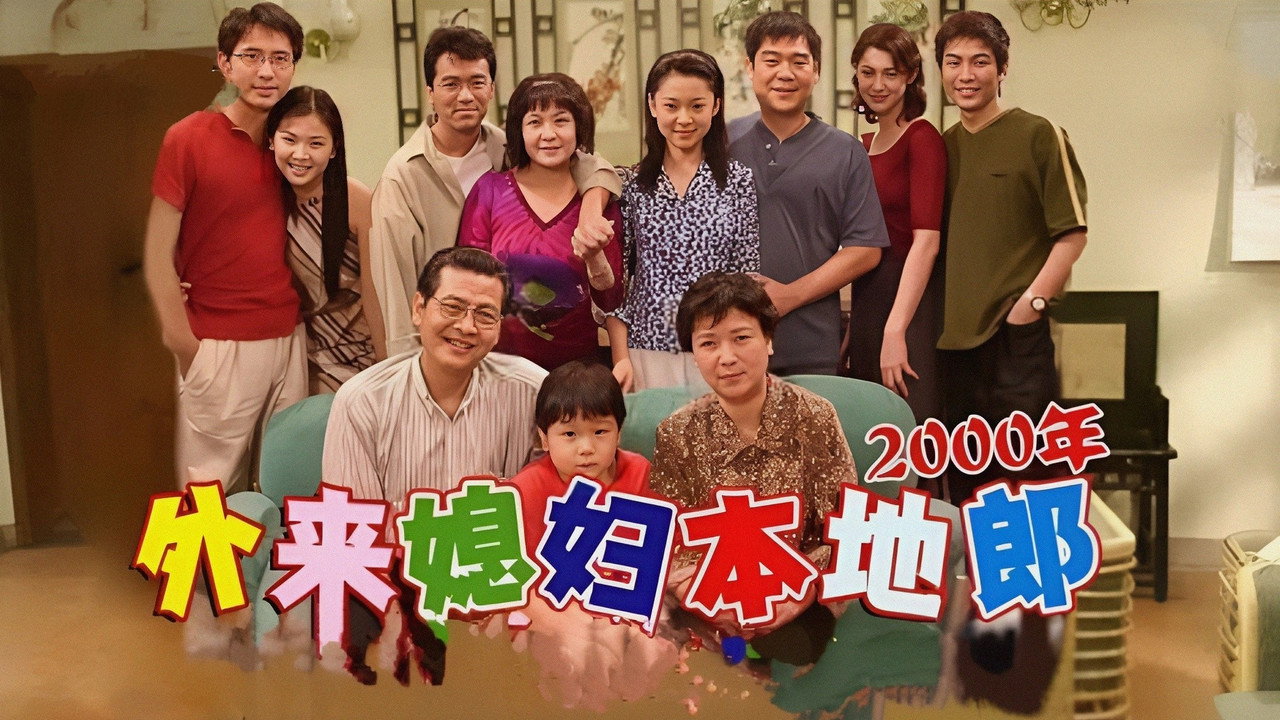
The Ending, Explained
The quest for a satisfying conclusion leads many fans to look up Kang's Family ending explained, yet the program was built as an open-ended sitcom from the start. Filming commenced on April 18, 2000, and the show has continued for decades without a planned wrap. Instead of a traditional finale, the production delivers standalone stories that accumulate into a portrait of modern Guangzhou life. We will not revisit the early setup, but it is fair to say the later segments lean into community bonds and gentle resolution.
Viewers who enjoy period context will note that Kang's Family 2000 represents the year filming began, a detail that anchors the series in a specific moment of regional television. The broadcast pattern of two installments each weekend on the GRT Pearl River Channel created a rhythm that audiences could rely on. This consistency is itself a kind of resolution. The ensemble, featuring performers like Jintang Gong and Huang Jinchang, became familiar faces in households across the region. Fans of long-running family shows might also recall My Three Sons (1960), which also centered on household dynamics across many seasons.
The decision to air on GRT Pearl River Channel since November 4, 2000 positioned the sitcom within a regional identity. Because the program is in Cantonese, it serves audiences who value local dialect representation. This linguistic choice reinforces the theme of place that runs through every installment.
What Happens
It is natural to ask what happens at the end of Kang's Family, given that the narrative never received a scripted wrap-up. In practice, each broadcast functions as a small closure. The sitcom’s format means conflicts about daily living are introduced and smoothed over within the same episode. By May 15, 2021, the count exceeded 4,000 segments, proving that the "end" is continually deferred. This structure allows new viewers to join at any point without feeling lost.
The absence of a final act does not lessen the experience. Instead, the show’s regular schedule—Saturdays and Sundays at 19:00—turns viewing into a tradition. Families gather, much like the characters on screen, to witness lighthearted negotiations between generations. The comedy springs from repetition rather than shock, and the drama stays soft enough for all ages.
The Meaning Behind the Ending
We can ponder the Kang's Family ending meaning through its record-breaking run rather than a scripted finale. The production holds the title of longest-running and most frequently aired sitcom in Chinese television history. That achievement suggests the true significance lies in cultural endurance. The series reflects a society where local husbands and migrant wives navigate shared spaces, and its continued presence mirrors the ongoing nature of those real-life adjustments.
A rating of 10.0 from a small pool of voters indicates passionate appreciation, even if the statistical sample is thin. The meaning, then, is about representation and continuity. When a show becomes part of the weekly calendar for over twenty years, its conclusion is less an event and more a gentle fade that never quite arrives.
Understanding the show’s scale helps grasp why a traditional ending was never necessary. With more than four thousand episodes, the narrative fabric becomes a tapestry of small moments. The migrant wives and local husbands premise, hinted in the original Chinese title, stays relevant as society evolves.
Themes You Might Have Missed
For newcomers, Kang's Family explained simply means understanding a Cantonese sitcom that began in 2000 and quietly documented urban change. Beneath the humor, the theme of culture clash emerges from the premise of outside brides meeting native spouses. The setting of Guangzhou anchors these interactions in a specific metropolitan context. While the show is comic, it subtly records how traditions soften when different backgrounds meet.
Language and Place
The Cantonese language itself is a character. Guangzhou provides the backdrop, and the culture clash theme gains texture from real urban shifts. The sitcom’s endurance suggests that audiences found comfort in seeing their own changing city reflected weekly.
The cast, including Zhidan Su, Ding Ling, Yanfen Hu, Xinzhi Peng, Fion Cin, and Ruoqi Xu, embody these overlapping worlds. Their performances underline that the sitcom is less about punchlines and more about coexistence. If you enjoy this brand of domestic comedy, King of the Hill (1997) explores similar generational friction in a different cultural landscape, making it a fine companion watch.
Is Kang's Family Worth Your Time?
With over two decades of episodes, the series demands a relaxed approach. It is worth your time if you appreciate slow-building familiarity over serialized twists. The free streaming model makes it easy to sample a weekend pair of episodes. Compared to shorter sitcoms, the depth of repetition becomes a comfort rather than a drawback. Those who prefer concise British humor might enjoy Cuckoo (2012), which also plays with family expectations but wraps its stories in fewer installments.
The show’s genres—comedy, drama, family—signal a balanced tone. You will not find high stakes, but you will find a mirror of everyday life in southern China. For viewers seeking a window into regional television history, this sitcom is a cornerstone.
Kang's Family Scorecard
- Genre: Comedy, Drama, Family
- First filming: April 18, 2000
- Broadcast start: November 4, 2000 on GRT Pearl River Channel
- Schedule: Two episodes Saturdays and Sundays at 19:00
- Episodes: Over 4,000 as of May 15, 2021
- Rating: 10.0/10 (3 votes)
- Notable status: Longest-running and most frequently aired sitcom in Chinese TV history
The scorecard shows a production that values consistency. While the vote count is small, the cultural footprint is massive. Themes of culture clash and the Guangzhou setting remain central across the run.