Kamen Rider Geats (2022): A Game Where Winners Shape Reality
Kamen Rider Geats (2022) pits transformed heroes against Jyamato in a game where the winner can realize their ideal world.
October 21, 2026
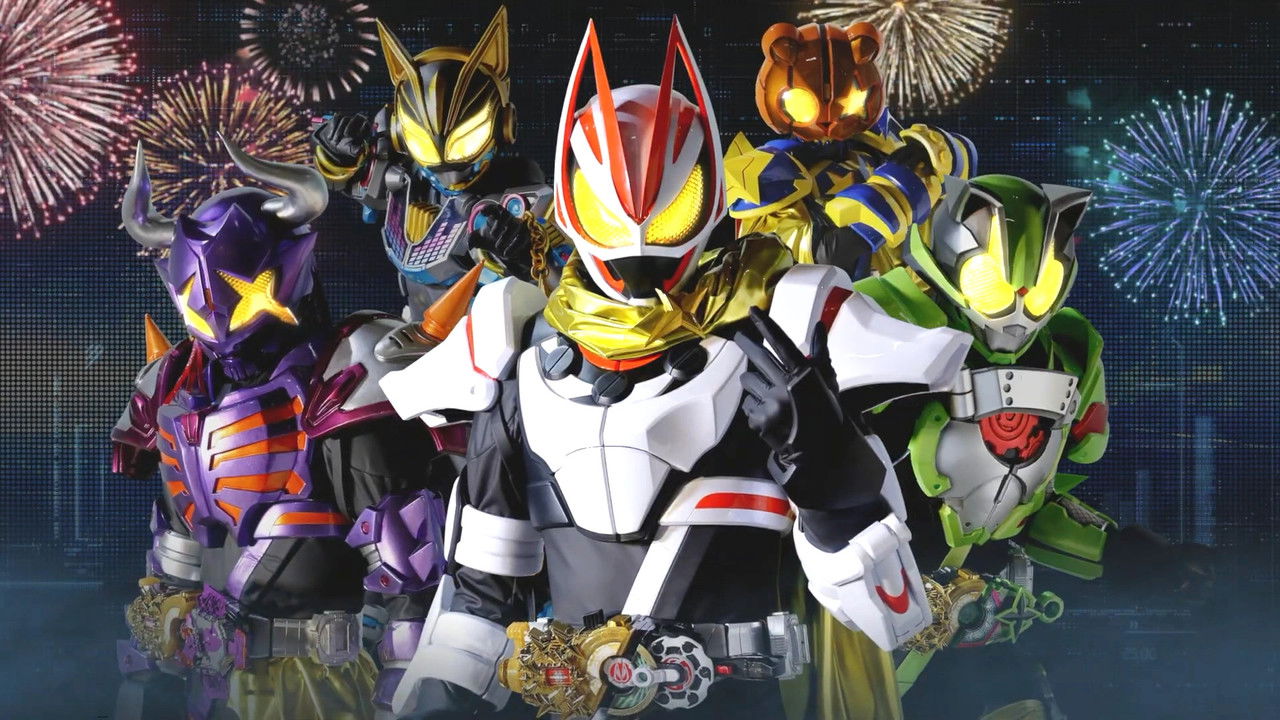
The Ending, Explained
Our Kamen Rider Geats ending explained walkthrough avoids early spoilers and instead looks at the closure of the Desire Grand Prix. The series builds a contest where participants become henshin heroes to fight unknown foes. From the first episode, the audience understands that the city faces a threat from creatures called Jyamato, but the exact nature of those enemies is not the focus of the final act. Instead, the conclusion pays off the central game by deciding which competitor's vision will become reality. The format challenges the audience to consider what they would do with such power. By keeping the early mechanics vague in this discussion, we protect the experience for first-time viewers.
Because the show belongs to the Action & Adventure, Drama, and Sci-Fi & Fantasy genres, it balances flashy transformation sequences with quieter character beats. The final stretch of the narrative rewards viewers who paid attention to the motivations of each rider. While we will not detail the opening matches, it is fair to say that the ending circles back to the tagline: "This game ― The winner in the end is me." That line hints at the solitary triumph waiting at the finish.
If you enjoy this kind of costumed defender stories, you might also like Ultraman 80, which presents another classic take on a hero protecting the public from strange threats. Both programs share a tone that respects the audience's intelligence while delivering spectacle.
What Happens
The show's conclusion shows what happens end Kamen Rider Geats when the game ends. After many rounds of saving citizens and battling the mysterious Jyamato, the remaining riders face the final judgment of the tournament. The Desire Grand Prix is structured as a battle royale where only one wish can be granted. When the last conflict settles, the champion receives the right to bring an ideal world to life, fulfilling the promise made by the competition's organizers.
We see the participants, including cast members like Hideyoshi Kan and Ryuga Sato, confront the weight of their own desires. The finale does not rely on shock twists from the first act; rather, it delivers a resolution that feels earned. The mysterious enemy's purpose stays ambiguous, but that ambiguity does not weaken the payoff because the story is ultimately about the humans behind the masks. The performers commit to the emotional truth of the scenario, making the victory feel consequential.
Viewers who appreciate competitive formats with mechanical allies should check out Special Investigation Robo Janperson for a different angle on justice and transformation. The linked series provides a 1990s perspective on heroes who must outthink their opponents.
The Meaning Behind the Ending
Understanding Kamen Rider Geats ending meaning requires looking at the prize. The winner gains the right to bring an ideal world to life, which reframes the entire competition as a referendum on desire. Each rider entered the game with a personal wish, and the final act validates the idea that only a true hero should hold such power. The ending suggests that the value of a wished world depends on the character of the one who wishes it.
This conclusion also emphasizes the Reiwa Kamen Rider tradition of mixing modern social questions with tokusatsu style. By granting the victory to the competitor who best balanced saving people and defeating enemies, the show makes a statement about selflessness versus selfishness. The final moment is less about spectacle and more about the responsibility that comes with absolute creative control over reality. It is a thoughtful capstone that respects the intelligence of long-time followers.
For those wanting more ensemble tokusatsu action, Choudenshi Bioman remains a solid companion watch. Its team dynamics contrast with the solitary prize of the Desire Grand Prix, highlighting how different eras approached the hero's journey.
Themes You Might Have Missed
The core Kamen Rider Geats explained premise involves a competition among transformed heroes. Beyond the spectacle, the writing quietly stresses wish and desire as forces that shape reality. The Jyamato function as a mirror for the riders' intentions; though their origins are unclear, their presence forces the humans to define what they truly want. This subtle layer rewards repeat viewing, and such layering is a hallmark of modern tokusatsu done well.
We can enjoy the show without knowing Kamen Rider Geats Jyamato origin. This deliberate secrecy keeps the focus on the riders' personal goals rather than the enemy's backstory. By leaving the creature's source vague, the narrative elevates the internal battles over external exposition. Other motifs include the battle royale structure and the henshin heroes trope, both used to question how far someone will go for their ideal.
Additional themes worth noting:
- The cost of desire: every wish has consequences for the city.
- The nature of heroism: saving people matters as much as winning fights.
- The game framework: a battle royale tests character under pressure.
- Tokusatsu legacy: the show honors Reiwa storytelling while innovating.
The Bottom Line on Kamen Rider Geats
With a 9.6 out of 10 rating from seven early voters, the series stands as a confident entry in the reiwa kamen rider catalog. The tagline "This game ― The winner in the end is me." encapsulates the self-driven motivation of each player. While the runtime and director details are not listed, the format delivers a complete arc that respects the intelligence of its audience.
The combination of Action & Adventure, Drama, and Sci-Fi & Fantasy ensures there is something for every fan of practical effects and emotional storytelling. The final act succeeds because it does not undermine the established rules; it simply brings them to their logical conclusion. Newcomers may find the battle royale concept familiar, but the execution feels fresh within the tokusatsu space. The pacing allows the significance of the final choice to land with weight.
Main cast members such as Yuna Hoshino, Kazuto Mokudai, and Kokoro Aoshima contribute performances that ground the fantastical elements. Their characters illustrate that the desire to protect others can coexist with personal dreams, a balance the ending celebrates.
Kamen Rider Geats Scorecard
We rate the categories based on the available information and the show's stated ambitions:
- Action & Adventure: a lively contest of transformed fighters.
- Drama: genuine emotional stakes in every decision.
- Sci-Fi & Fantasy: an inventive game that bends reality.
- Tokusatsu craft: faithful to the Reiwa aesthetic.
- Overall score: 9.6/10 according to current votes.
The Desire Grand Prix may be fictional, but its lesson is real: the world we get depends on the wishes we dare to voice. That idea lingers long after the credits, making this a memorable chapter for fans of henshin heroes.