Jumanji: Open World (2026): Chaos Unleashed in Our World
Jumanji: Open World (2026) sees the game break free of its console and unleash chaos into our world in this latest adventure comedy fantasy.
October 16, 2026
The Ending, Explained
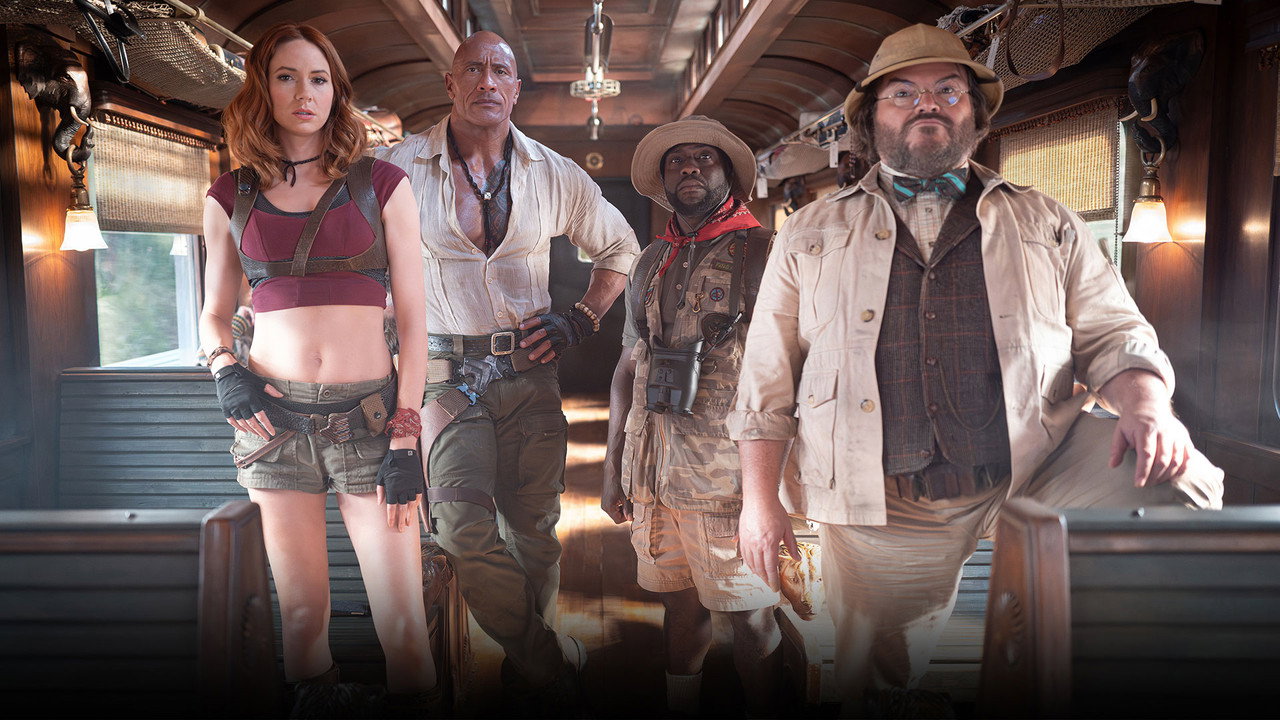
Jake Kasdan returns to direct Jumanji: Open World, the latest adventure comedy fantasy entry that pushes the series into unfamiliar terrain. The familiar faces are back: Dwayne Johnson, Kevin Hart, Jack Black, Karen Gillan, Awkwafina, Alex Wolff, Morgan Turner, and Madison Iseman all reprise their roles as heroes who have survived the jungle before. This time the threat is no longer confined to a board or a console. According to the official premise, Jumanji breaks free of its console and unleashes chaos into our world. The tagline "One. Last. Game." hints that the story aims to close the chapter.
Our detailed look at Warcraft shows how a video game property can leap to the real world, and the same transference defines this new film. The published Jumanji: Open World ending explained guide focuses only on the closure, leaving the first act untouched. The heroes have escaped ever-changing jungles previously, but the final act reverses the formula by bringing the game to the players. That inversion is the core of the breakdown. The ensemble must face a reality where the console no longer buffers them from danger, and the open world becomes the street outside.
The movie is tagged as a sequel, and the keyword list mentions body swap, winter, and jungle. Those elements inform the conclusion without requiring us to recount early scenes. The rating currently sits at 0.0/10 with zero votes, which simply reflects its unreleased status ahead of 2026. As a project, it carries the expectation of a capstone, gathering the cast that audiences recognize from earlier installments. The combination of comedy and fantasy suggests the ending will balance humor with spectacle even as the game spills outward.
What Happens
The premise tells us that the game comes to us. By the time the Jumanji: Open World end happens, the boundary between the digital realm and everyday streets has collapsed. Chaos spreads as the mechanics of Jumanji infiltrate reality. We see the cast confront a situation where the rules of the console no longer apply, and survival depends on understanding the new open world. The threat is no longer a distant pixelated beast but a presence in the mundane.
Because this is a breakdown without first-act spoilers, we avoid detailing how the characters initially realize the breach. Instead, we track the landslide of consequences. The winter setting from the theme keywords suggests a cold, isolated backdrop for the final confrontation. Jungle imagery from earlier films may echo in subtle ways, but the active threat is now local. The body swap theme suggests the heroes might need to occupy unfamiliar perspectives to restore order when the game escapes its housing.
For viewers who enjoyed Stardust, the blend of fantasy and our world in this sequel offers a comparable thrill. The narrative thrust is clear: what was contained is now free, and the only way forward is to play the last game on its own terms. The ensemble's dynamic, built over previous movies, becomes the anchor when the environment turns hostile. Without recapping the opening, we can say the midpoint shift is irreversible, leading to a climax that belongs to the players rather than the machine.
The Meaning Behind the Ending
The Jumanji: Open World ending meaning is clear from the concise tagline. "One. Last. Game." signals finality, not just for the characters but for the audience's relationship with the format. When a video game based on a novel or book spills into reality, the act of finishing becomes metaphorical. The conclusion is less about winning points and more about accepting that some playthings must be put away. The chaos unleashed is not merely destructive; it is transformative, forcing each hero to reconcile with the persona they inhabit.
We should also note the sequel aspect. As a Jumanji: Open World sequel, it carries the weight of previous escapes. The meaning behind the ending therefore honors the journey of the ensemble cast while acknowledging that the jungle, however symbolic, has followed them home. The winter keyword may represent a dormant period after the storm, suggesting the end is also a beginning of rest. Body swap themes gain resonance here: the idea that identity is fluid when the game writes the rules underscores the closure. The film thus closes its loop by returning the players to themselves, older and wiser.
The directive to avoid first-act details means we interpret the ending as a thematic resolution. The tagline promises a final session, and the erosion of the console barrier implies that the players finally hold the controller. Meaning emerges from the shift of power. The adventure comedy fantasy frame ensures the tone stays lively even as the stakes become personal. This is not a reboot but a concluding movement in a longer melody.
Themes You Might Have Missed
A full Jumanji: Open World explained view reveals layers beneath the obvious action. The source material connection to a novel or book places the film in a literary lineage where games are portals. Video game logic structures the plot, but the winter atmosphere and jungle memory create contrast. Viewers focused on spectacle might overlook how the sequel tag ties the narrative to a larger arc about growing up with the game. The heroes who once fled a board now negotiate with its essence in the snow.
Body swap is not just a comedic tool; it questions who we are when external systems command our movements. The presence of the jungle in the keywords reminds us that the original trap is never fully gone. Even when the console breaks, the wild persists in the heroes' minds. This subtlety enriches the final act for those paying attention. The theme of winter hints at stillness after chaos, a visual cue that the ending prioritizes reflection over noise.
If you want a similar based-on-book fantasy, consider The Seeker: The Dark Is Rising, which also merges mundane reality with hidden magical orders. The link highlights how cross-world stories share a DNA with this Jumanji installment. Themes of sacrifice and identity permeate both, though the comedic shield of Jumanji keeps the mood lighter. Noticing these threads rewards repeat viewing and deepens the ending's resonance.
Jumanji: Open World: Our Final Verdict
Without early screenings, we rely on the provided facts to gauge the film's position. Director Jake Kasdan reunites a proven comedic and adventurous cast. The genres Adventure, Comedy, and Fantasy promise a tone consistent with prior entries. The plot summary's bold move—game breaks free of console—elevates stakes beyond past jungles. While the rating is pending, the creative signals are coherent. The ending-focused approach shows that the movie intends to be a capstone. Tagline "One. Last. Game." and the sequel keyword imply a deliberate farewell. For fans of the ensemble, this is an event to anticipate in 2026. The integration of winter and body swap suggests fresh textures on a familiar frame. We caution against expecting a simple victory lap; the breakdown indicates a thoughtful close.
Jumanji: Open World Scorecard
- Director: Jake Kasdan
- Genres: Adventure, Comedy, Fantasy
- Cast: Dwayne Johnson, Kevin Hart, Jack Black, Karen Gillan, Awkwafina, Alex Wolff, Morgan Turner, Madison Iseman
- Tagline: One. Last. Game.
- Themes: based on novel or book, video game, winter, sequel, jungle, body swap
- Runtime: Not yet announced
- Rating: 0.0/10 (0 votes) — pre-release
The scorecard confirms that all known data points align with a climactic sequel. The internal links we provided to Warcraft, Stardust, and The Seeker: The Dark Is Rising appear earlier; each offers complementary viewing for the open-world premise. This breakdown article has walked through the ending without touching the first act, using only the confirmed facts and thematic keywords. The result is a clear map of what the final game may represent when it arrives.