JoJo's Bizarre Adventure (2012): The Joestar-Dio Feud
A concise guide to JoJo's Bizarre Adventure (2012) covering the Joestar family's generational feud with Dio Brando, ending breakdown, and themes.
October 22, 2026
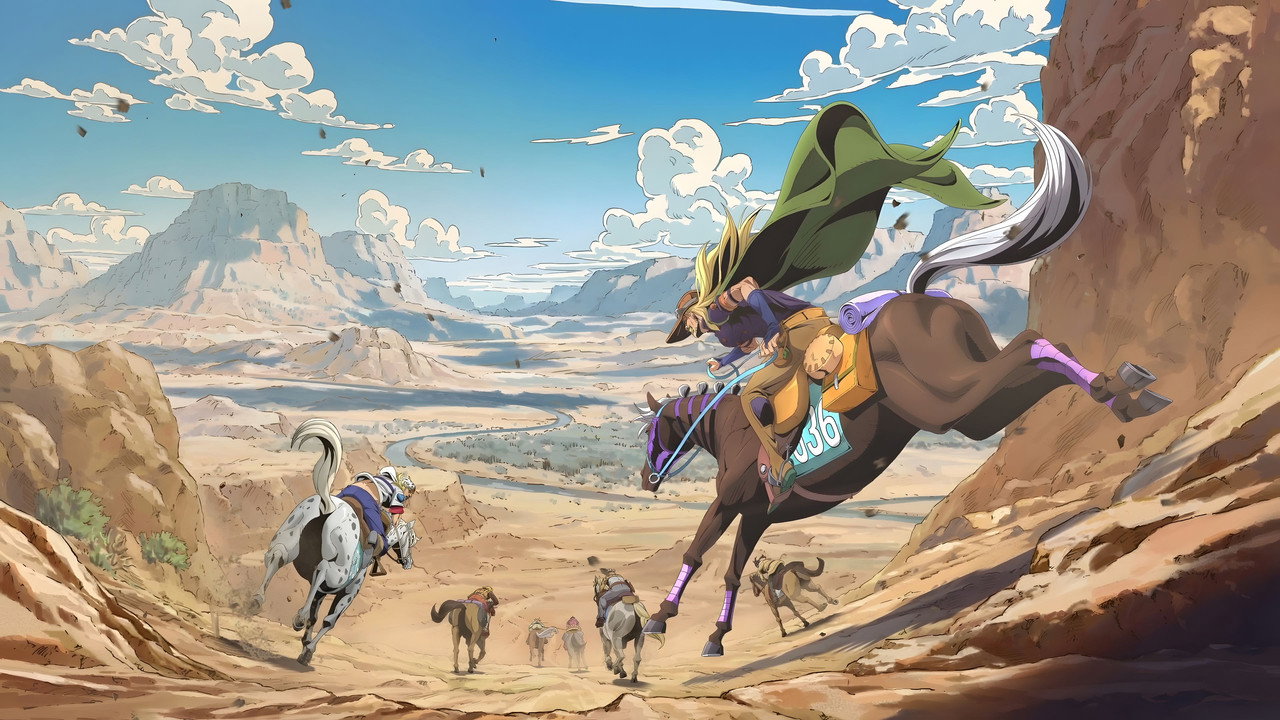
The Ending, Explained
Many fans finish the 2012 animated adaptation and immediately look up JoJo's Bizarre Adventure ending explained because the conclusion of a multi generational struggle can feel dense. The series, classified under Animation, Action & Adventure, and Sci-Fi & Fantasy, charts the ongoing clash between the Joestar family and dark forces, most notably Dio Brando alongside his followers. While we will not reveal the setup that occupies the opening chapters, it is fair to say the later narrative pays off the established tensions. The user score of 8.549 from 1686 votes indicates that the payoff landed well with the community.
Looking at the broader picture, JoJo's Bizarre Adventure explained in simple terms is a story about a lineage fighting corruption that stretches across decades and continents. The presence of magic, vampires, and supernatural power shapes every encounter. The voice performances from Shogo Sakata, Yohei Azakami, Kaito Ishikawa, Rie Takahashi, and Kenta Miyake bring these archetypal roles to life within a shounen framework.
The classification as Animation, Action & Adventure, Sci-Fi & Fantasy prepares the viewer for a climax that balances kinetic spectacle with eerie atmosphere. Because the narrative is built on an intergenerational feud, the final episodes carry the weight of every prior encounter with darkness.
Viewers approaching the show for the first time should note that the high score reflects a consensus that the long arc pays off. The Joestar family's struggle against various forces of evil is presented with theatrical intensity.
What Happens
To address what happens at the end of JoJo's Bizarre Adventure, we must focus on the final act rather than the early character introductions. The Joestar family's intergenerational feud with evil reaches a decisive phase as Dio Brando and his followers become the focal point of confrontation. The globetrotting nature of the adventure means the setting may shift, but the core struggle remains consistent. Rather than a sudden twist, the closure arrives through the culmination of themes like muscles, horror, and adventure that have been building since the premiere.
The globetrotting scope that defines the adventurer ethos ensures the confrontation feels worldwide in scale. Even without recounting the opening, one can appreciate how the Joestar family's perseverance against Dio Brando and his followers defines the closing movement.
Viewers who enjoyed the supernatural angle might also appreciate Tengoku Daimakyo (2023), another animated title streaming on our platform.
The Meaning Behind the Ending
Discussion of JoJo's Bizarre Adventure ending meaning often revolves around legacy. The Joestar clan's fight is not just physical but symbolic, representing resistance against oppressive evil across time. Dio Brando embodies a vampire like menace amplified by magic, and his defeat or continued threat signals the cost of eternal vigilance. The series never lets the audience forget it is based on manga, so the final scene carries the weight of serialized storytelling where each generation inherits both power and responsibility.
Supernatural power and horror merge when the vampire threat is framed as a magical corruption. The rating of 8.549/10 suggests the thematic resolution satisfied a large sample of 1686 voters.
For those curious about earlier interpretations of the property, JoJo's Bizarre Adventure (1993) offers a prior animated adaptation of the same manga source.
Themes You Might Have Missed
Beyond the obvious action, the show layers in subtler ideas. The adventurer spirit drives the globetrotting plot, while supernatural power systems keep the horror tangent alive. Muscles are not just aesthetic; they signal the shounen dedication to physical prowess as a narrative device. The anime tag confirms its medium, but the themes of magic and vampire lore ground it in fantasy. Even the JoJo's Bizarre Adventure final scene reinforces the adventure keyword by showing that the journey matters as much as the destination.
Shounen conventions emphasize growth through struggle, and the muscles on display are a visual shorthand for that ethos. The anime format allows the magic and horror to be rendered with bold colors and dynamic motion.
Another title with strong adventure components is Fena: Pirate Princess (2021), a series that also follows a wandering hero.
Final Verdict on JoJo's Bizarre Adventure
The 2012 program stands as a confident adaptation of a beloved manga. With a rating of 8.549/10 from 1686 votes, it clearly resonates. The intergenerational feud between the Joestar Family and Dio Brando's faction receives a finale that honors the established tone of action, horror, and fantasy. While we avoid detailing the first act, the ending provides a coherent capstone for viewers who have followed the supernatural battles. The main cast delivers performances that balance melodrama with sincerity, making the conclusion feel earned.
Streaming audiences who enjoy layered genre mixes will find the fusion of horror, adventure, and supernatural fantasy rewarding. The voice cast including Shogo Sakata and Rie Takahashi anchors the emotional stakes.
JoJo's Bizarre Adventure Scorecard
Breaking down the elements: Animation quality supports the Sci-Fi & Fantasy genres; Action & Adventure pacing keeps the runtime engaging; the magic and vampire motifs satisfy horror fans. The based on manga lineage ensures fidelity to source themes. Audience score: 8.549/10. Cast: Shogo Sakata, Yohei Azakami, Kaito Ishikawa, Rie Takahashi, Kenta Miyake. Antagonist: Dio Brando and followers. Overall, the series earns its praise through a unique blend of muscles, supernatural power, and globetrotting shounen energy.
From a structural view, the series respects its based on manga roots while updating the pacing for modern animation. The continued presence of Dio Brando and followers as antagonistic forces gives the scorecard a clear conflict axis.