Jeopardy! (1984): America's Favorite Quiz Show
A breakdown of how Jeopardy! (1984) wraps each episode with its signature answer-in-question format.
October 21, 2026
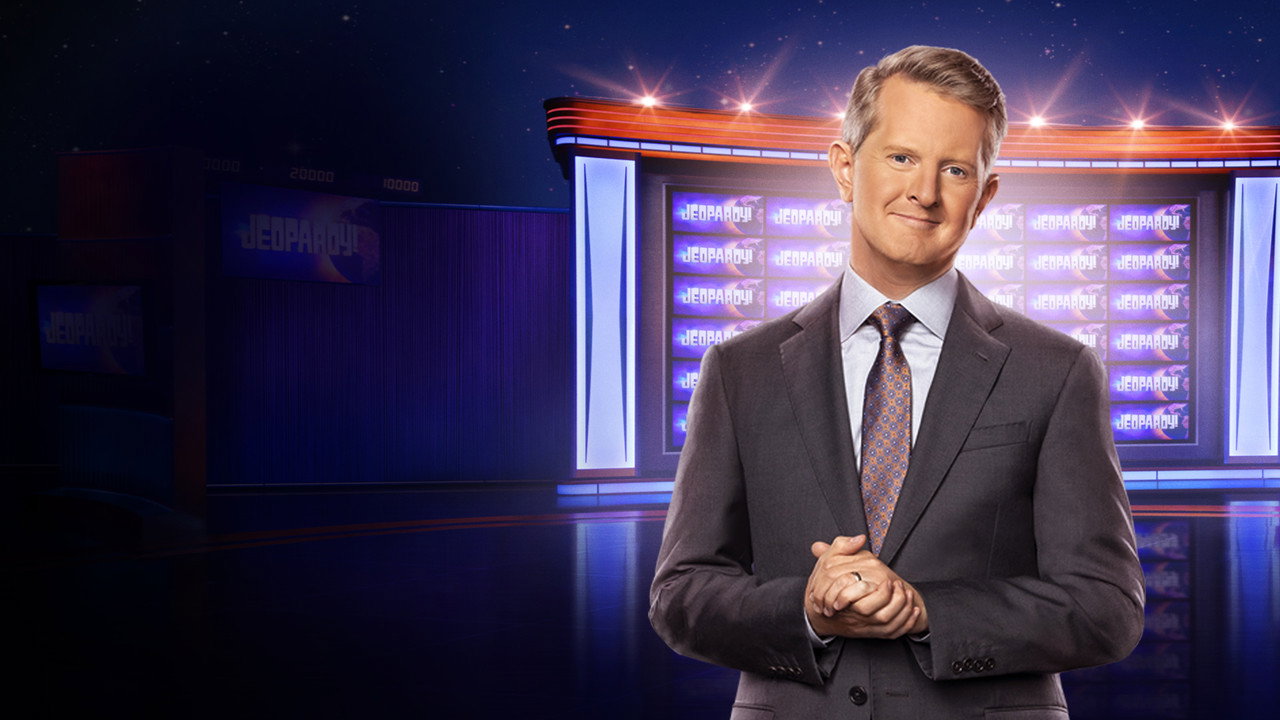
The Ending, Explained
When people look for a Jeopardy! ending explained walkthrough, they usually want to understand the closing segment of each episode rather than a narrative plot. This long-running program, which falls under reality and family genres, presents general knowledge clues in the form of answers, and contestants must reply with questions. The final portion of the broadcast is where the real tension builds. Hosted by familiar voices like Ken Jennings and announced by Johnny Gilbert, the show keeps a matter-of-fact tone throughout. Our breakdown will not spoil the early clues, because the opening rounds are best experienced fresh. Instead, we focus on the wrap-up that determines the winner. The structure is deceptively simple: a board of categories, values attached to each clue, and a rapid-fire exchange. Yet the last minutes transform the studio into a quiet arena of concentration. The absence of a listed director and a fixed runtime suggests a flexible template that has served the format for decades. In this article we treat the conclusion as the most important beat, the moment that validates everything preceding it.
What Happens
The what happens at end of Jeopardy! segment centers on the last part where remaining players make a wager based on their accumulated score. After a category is revealed, the three contestants see a final clue presented as an answer. They write down a question that should match the correct response, along with their wager amount. This moment is the climax of the quiz format. The host reads the clue, and each player's answer is displayed. The one with the highest total after the wager is declared the champion. We can compare this structure to other competition programs such as The Amazing Race, which also builds to a final reveal, though that show uses physical travel rather than trivia. The pacing of the ending is deliberate; music swells, the audience hushes, and the contestants' expressions say everything. Because the show is a game show, the outcome hinges on a single response, making the final act a compact drama. There is no need to detail the first board here, as the interest lies in how the evening resolves.
The Meaning Behind the Ending
The Jeopardy! ending meaning goes beyond simply crowning a winner. It represents the culmination of quick recall and strategic risk-taking. Because the show is a game show built on trivia, the final round tests not just knowledge but judgment under pressure. A contestant who leads by a small margin may bet everything, while a trailing player might need a precise wager to overtake. This dynamic reinforces the theme of jeopardy itself, where fortunes can reverse in seconds. The matter-of-fact delivery of Johnny Gilbert's announcements and Ken Jennings' calm presence heighten the contrast between the sterile format and the emotional stakes. In a family viewing context, the ending teaches that preparation meets opportunity. The final wager is a mirror of self-assessment: knowing what you know and what you risk. That philosophical layer is often missed by casual viewers who only see a question on a screen. The closure provided by the ending allows the episode to stand alone as a complete unit of entertainment.
Themes You Might Have Missed
Beyond the surface, the basic Jeopardy! explained format hides subtle motifs. The show treats facts as neutral commodities, emphasizing a matter-of-fact worldview. Quiz elements encourage lifelong learning, and the poll of general knowledge clues spans history, science, and culture. While the runtime is not fixed per episode, the pacing always leaves room for the final act. Another layer is the equality of the contestants; everyone starts with the same zero and faces the same answers-as-clues structure. For those who enjoy this style, a lighthearted alternative can be found in The Great Food Truck Race, where teams compete in a different kind of knowledge-based challenge. The recurring keyword of trivia underscores a respect for accumulated human knowledge. Even the tagline absence signals that the brand needs no slogan; the format speaks for itself. Observing the family genre classification, the themes remain accessible to younger viewers, making the show a rare cross-generational pastime.
What We Think of Jeopardy!
With a rating of around 6.925 out of 10 from 167 votes, the 1984 iteration of the program holds a modest but respectable place among reality offerings. The Jeopardy! 1984 premiere date phenomenon is often cited by fans who grew up with the show, yet its lasting value is its simple, repeatable formula. We appreciate that it remains suitable for family audiences, blending education with competition. The presence of Ken Jennings as a key figure and Johnny Gilbert's enduring voice gives continuity. If you want a more comedic contest experience, you might explore Cash Cab, which shares the quiz motif but inside a taxi. Our perspective is that the ending breakdown reveals why the series persists: it respects the viewer's intelligence. The rating suggests a niche but dedicated fan base rather than mass acclaim, which fits a quiz show in a crowded television landscape.
Jeopardy! Key Details
To summarize the essential information for new viewers, here are the core facts presented in a clear list:
- Title: Jeopardy! (1984)
- Genres: Reality, Family
- Main cast: Ken Jennings, Johnny Gilbert
- Rating: 6.925/10 based on 167 votes
- Plot: Contestants receive general knowledge clues as answers and must phrase responses as questions.
- Themes and keywords: game show, quiz, jeopardy, trivia, matter of fact
- Director and runtime: Not specified in available data.
The enduring appeal lies in the predictable yet suspenseful conclusion. Whether you consider the final round or simply enjoy the trivia, the show remains a staple of the genre. The combination of a straightforward quiz and a high-stakes final segment ensures that each episode delivers a complete arc without needing a traditional story. This breakdown has aimed to illuminate the closing portion while leaving the early clues for you to discover. By focusing on the ending, we hope the format feels fresh even to those who have never watched a full broadcast. The family-friendly nature and the steady hand of its cast make it a dependable choice for an evening of gentle competition.