IT: Welcome to Derry (2025): The US Military's Derry Agenda
In 1962 Derry, misfit friends uncover an ancient evil as townspeople unite and a U.S. military operation seeks to exploit the town.
November 7, 2026
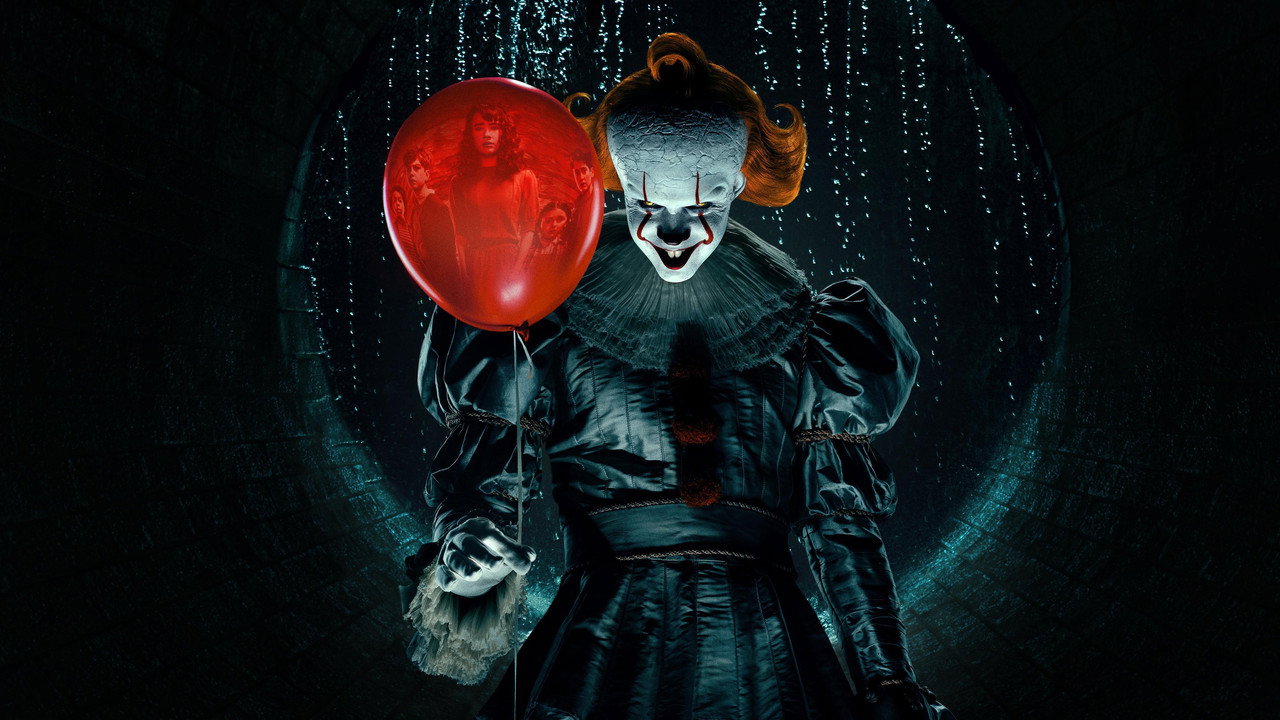
The Ending, Explained
The finale, IT Welcome to Derry ending explained, reveals how a fractured community finds footing against a creeping threat that has lived under their streets for generations. Set during IT Welcome to Derry 1962, the story reaches its closing chapter with the misfit friends no longer alone in their fear. After a string of unexplained disappearances of local children, the town’s adults finally acknowledge that something malignant sits beneath their homes. Without spoiling the early setup, we can say the back half of the season pushes the kids from isolated questioning to shared action with townspeople. A rising unease becomes the glue that bonds neighbors who previously ignored the strange signals. Meanwhile, a U.S. military operation lurks at the edges, hoping to turn Derry’s buried evil into a weapon. The ending does not offer a cleansed town, but rather a tense restoration of peace that leaves the door open for future dread. Viewers who appreciate the original It (1990) will notice how this prequel respects the established tone while carving its own path. The dramatic and mysterious genres blend so that the conclusion feels like a somber town meeting rather than a monster hunt.
What Happens
The narrative, what happens IT Welcome to Derry, unfolds across a grim slice of the 1960s where ordinary life masks ancient terror. In the broadest terms, a group of outcast friends begins to suspect a long-buried ancient evil after classmates vanish without trace. As the kids set out to determine what is truly occurring, their private investigation collides with a town-wide awakening. Several residents, previously content to look away, decide to work together to restore order. That collective stride toward peace forms the spine of the closing episodes. Parallel to this, uniformed military figures arrive with objectives to exploit Derry’s anomaly for national gain. The show avoids detailing the first act’s discoveries, so we focus on the consequence: by the final stretch, the line between protective solidarity and outside manipulation becomes the central tension. The reported rating of 8.267/10 across 1787 votes suggests audiences connected with this measured pacing rather than expecting nonstop fright. The tagline “Go back to where IT all began” is fulfilled by showing the roots of that evil in a decade defined by quiet repression.
The Meaning Behind the Ending
The closure, IT Welcome to Derry ending meaning, ties directly to the idea that small towns survive not by erasing darkness but by facing it together. The final act underscores that the psychic weight of dead children and psychotic terror can be tempered when people choose questioning over silence. Derry’s grim history, hinted through references to the great depression and a haunted house or two, shows that each generation inherits a battle. The military’s interest adds a layer of meaning: the evil is not just a local curse but a resource coveted by power structures. Thus the ending meaning leans toward caution—peace is fragile when institutional forces want to weaponize fear. The misfit friends’ role shifts from victims to witnesses, suggesting that memory itself is the real defense against the clown-shaped dread. By refusing a tidy cure, the series honors the bleak lesson that some shadows simply learn to wait. This aligns with the drama and mystery labeling, where resolution is emotional rather than literal.
Themes You Might Have Missed
The prequel, IT Welcome to Derry explained, leans on its literary roots as a based on novel or book adaptation while painting a small town canvas. Beneath the disappearances, several motifs reward closer inspection:
- Small town isolation and the pressure of conformity in the 1960s.
- Clown imagery used as a mask for something far older than laughter.
- Haunted house symbolism reflecting family secrets and communal denial.
- Echoes of the great depression shaping the town’s miserly, grim attitude toward outsiders.
- Prequel status that reframes known mythology without repeating familiar beats.
- Disappearance and dead children as catalysts for communal questioning.
- A psychotic edge in how characters process trauma and suspicion.
- The act of questioning itself as the only light in a hopeless map.
These elements combine to create a mood that is more drama and mystery than pure horror. The clown is present, but the show often lets silence carry the terror. For viewers who enjoy missing-child mysteries, the upcoming Last Seen (2026) should scratch a similar itch with its own quiet tension. Notice also how the theme of exploitation mirrors real historical military interest in strange phenomena, grounding the fantastical in a recognizable era.
How Good Is IT: Welcome to Derry, Really?
Judging quality requires looking at both craft and reception. The series earns a tagline “Go back to where IT all began,” and it delivers on that promise by rooting the story in 1962 Derry. With a rating of 8.267/10 from 1787 votes, the audience score indicates strong attachment among viewers, even if some critics anticipated a different tone. The cast, including Taylour Paige, Jovan Adepo, James Remar, Stephen Rider, Matilda Lawler, Amanda Christine, Clara Stack, and Blake Cameron James, brings restrained humanity to the misfit group and the townspeople alike. Production design captures a 1960s bleakness that aligns with the grim keyword. While we cannot cite external reviews, the internal data shows a solid fan base. The show’s strength lies in atmosphere and theme rather than abrupt scares, making it a thoughtful entry in the franchise. Its dramatic core means the ending lands as a character study as much as a supernatural breakdown.
IT: Welcome to Derry FAQ
Below are common questions without early-act spoilers.
- When is it set? The story takes place in IT Welcome to Derry 1962, a period that informs its social backdrop and fashion.
- Is it based on a book? Yes, the themes list confirms a based on novel or book origin, continuing the literary tradition of the larger saga.
- Does the military succeed? The U.S. operation seeks to exploit Derry, but the ending leaves their victory ambiguous, reinforcing the townspeople’s fragile peace.
- Where can I find similar mood? If you want a different but complementary small-town drama, Adoration (2024) offers a reflective look at community bonds under strain.
Overall, the breakdown above should satisfy anyone curious about the finale’s message and the path the characters walk. The blend of mystery and drama ensures that the prequel stands as more than a simple horror add-on, inviting rewatch for hidden details about the ancient evil and the town that learned to question it.