It (1990): How Two Timelines Defeat the Clown
Seven outcast kids battle a child-killing clown in 1960 and reunite 30 years later to stop it.
October 27, 2026
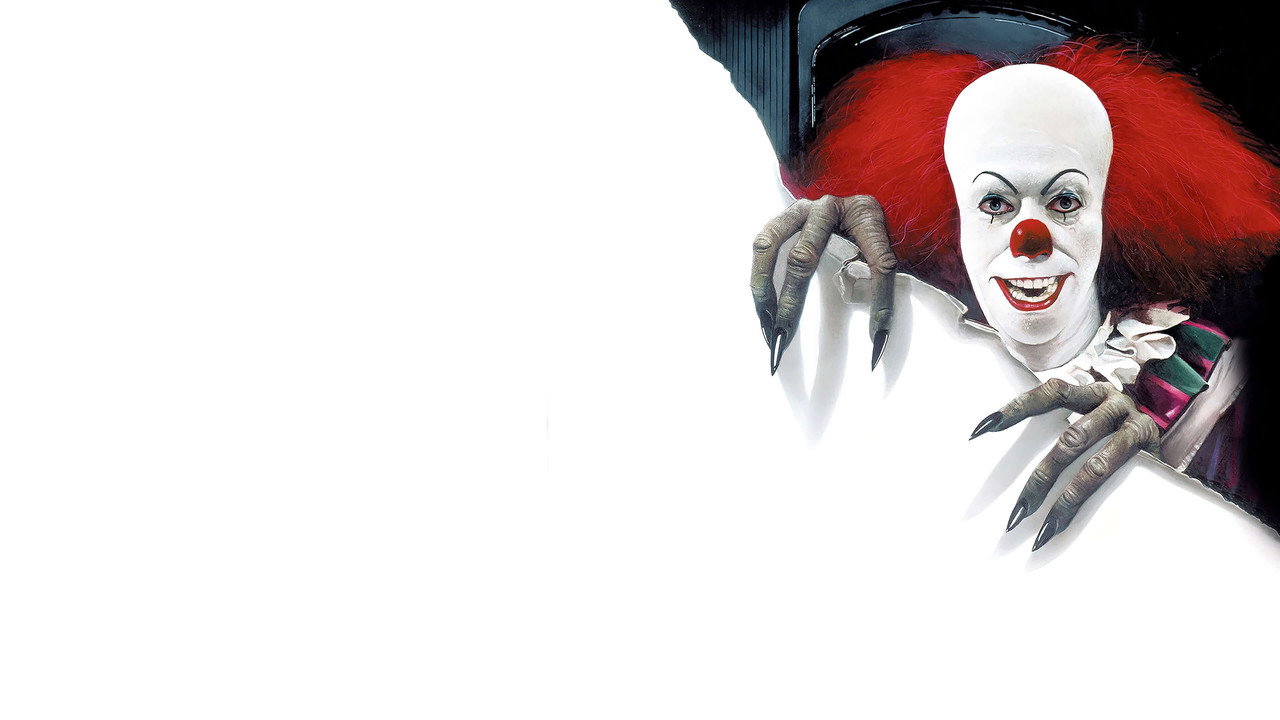
The Ending, Explained
Before we get into the details, it helps to look at the bigger picture of how this miniseries wraps up. When people search for It ending explained, they usually want to know why the story closes the way it does and what the final stand against the creature really represents. The 1990 adaptation of Stephen King's novel splits its story across two timelines, and the conclusion pays off both of them at once.
What Happens
By the time the adult members of the group return to Derry, the threat has already reawakened. Thirty years after their first encounter, the friends reunion pulls the former Losers' Club back together to face the same shape-shifting alien that once wore the face of a child-killing clown. We see a flashback structure that keeps the 1960s trauma close to the surface while the 1990s present tense moves toward a final confrontation.
To understand what happens at the end of It, it is enough to say that the renewed bond between the seven outcasts becomes the weapon the monster cannot counter. The creature feeds on fear, and when the group refuses to be divided, its grip weakens. The climax does not rely on elaborate spectacle; it relies on the idea that memory and loyalty undo the horror that has haunted the town for decades.
For viewers who want a clearer It 1990 ending breakdown, the key is that the defeat is psychological as much as physical. The alien's power depends on isolation, and the reunion denies it that advantage. That is why the closing scenes feel more like a release than a traditional monster kill.
The Meaning Behind the Ending
The It ending meaning is tied to the way childhood wounds persist into adulthood. The Losers' Club never fully escaped Derry, and their return is less about geography than about unfinished emotional business. The clown is a symbol of every bully, every abusive parent, and every moment of helplessness they experienced as kids.
When the group stands together as adults, they are not just fighting a supernatural horror. They are rejecting the silence that allowed the trauma to survive. It explained in this light is a story about collective survival rather than individual heroism. The ending suggests that the only way to beat something that feeds on fear is to name it and face it with others who share the scar.
Themes You Might Have Missed
Beyond the obvious killer clown frights, the miniseries quietly carries a lot of weight. Suicide lingers in the background as a real consequence of the town's despair. The haunted house and creepy house imagery is not just set dressing; it reflects how unsafe domestic life was for several of the characters.
The story is based on a novel or book, and that literary root shows in how much time is spent on inner lives rather than action. Halloween arrives as a backdrop for the creature's cycle, and the serial killer framing makes the threat feel close to real-world darkness. Fans of slow-burn terror may also enjoy The Midnight Club, which shares a similar interest in stories told by those who fear they will not survive.
Another thread worth noting is how the 1960s and 1990s settings mirror each other. The same streets, the same house, and the same(pattern of disappearance repeat. If you liked that dual-era structure, Them uses a comparable period contrast to explore inherited fear.
It: Our Final Verdict
The 1990 version sits at a rating of 6.926 out of 10 from around 3405 votes, which tells you it is a divisive watch. Tim Curry's performance as the clown is the part most viewers remember, and rightly so. The pacing drags in places, but the emotional payoff of the final act is stronger than many newer horror releases.
For a free streaming audience, this is a worthwhile pick on a quiet night, especially around Halloween. The mix of mystery, sci-fi and fantasy, and drama keeps it from feeling like a standard slasher. Those who enjoy character-driven supernatural horror should also consider Angel, which blends genre elements with personal stakes in a comparable way.
It Fast Facts
- Title: It (1990)
- Genres: Mystery, Sci-Fi & Fantasy, Drama
- Tagline: The Master of Horror unleashes everything you were ever afraid of.
- Rating: 6.926/10 from 3405 votes
- Main cast: Tim Curry, Harry Anderson, Dennis Christopher, Richard Masur, Annette O'Toole, Tim Reid, John Ritter, Richard Thomas
- Core themes: suicide, based on novel or book, halloween, haunted house, flashback, serial killer, killer clown, 1960s, 1990s, creepy house, supernatural horror, friends reunion
The plot follows seven outcast kids in 1960 who battle an ancient shape-shifting alien disguised as a child-killing clown, while also facing bullies and abusive parents. Thirty years later they reunite to stop the creature when it returns to their hometown. The ending works because it honors both the kids they were and the adults they became.
If you come to this story only for scares, you may leave underwhelmed, but if you come for a meditation on friendship and fear, the final act lands. The Losers' Club earns their peace, and the viewer earns a clearer sense of why Derry was never just a town with a clown problem.