Iron Man (2008): Why Tony Stark Drops the Cover Story
Iron Man (2008) ends with Tony Stark ignoring the script and telling the world he is Iron Man — here is what that choice actually means.
November 24, 2026
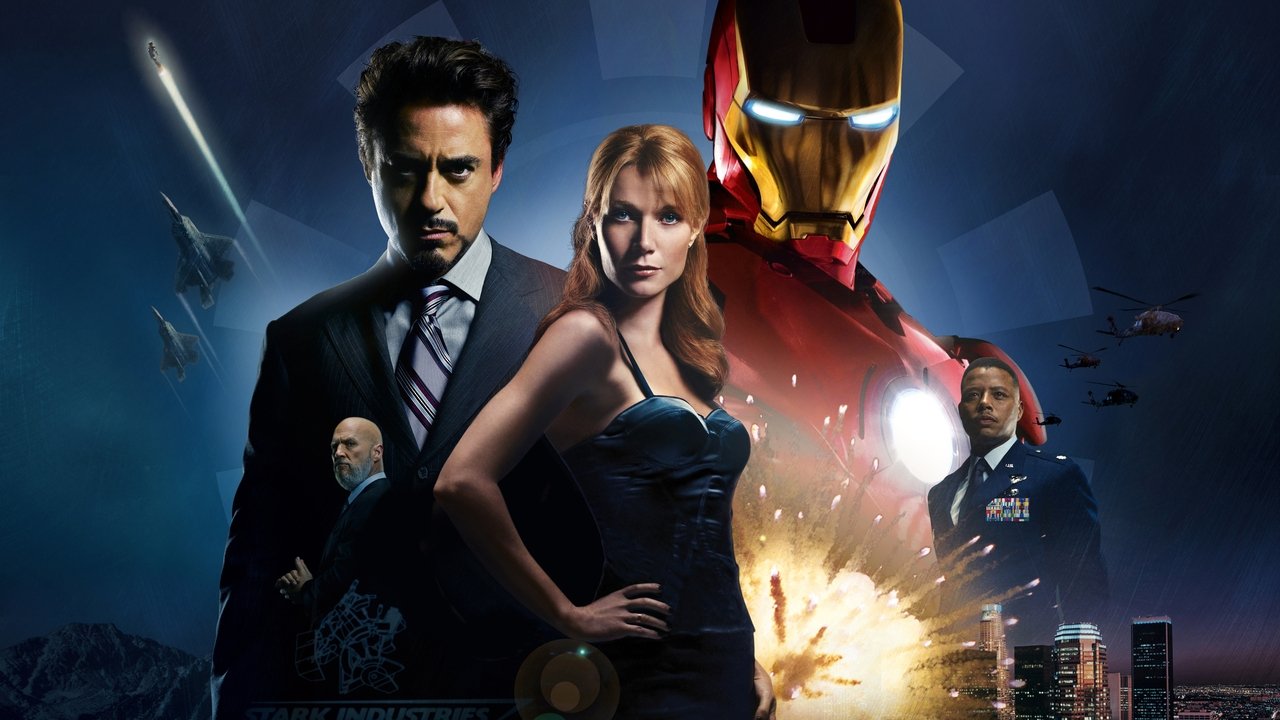
The Ending, Explained
Jon Favreau's 2008 blockbuster closes on a note that feels both triumphant and uneasy, and the Iron Man ending explained in full comes down to a single choice Tony Stark makes in front of a room full of reporters. He has spent the film hiding behind a prepared statement, and then he throws it away. The Iron Man ending meaning is not really about defeating a villain — it is about a man deciding that secrecy is no longer an option for him.
If you have somehow avoided the movie for nearly two decades and only want the final act unpacked, keep reading, because we are about to walk through what happens at the end of Iron Man in detail. The first act — the cave, the shrapnel, the first clunky suit — stays untouched here, but everything from the third-act confrontation onward is fair game.
What Happens
By the final stretch, Tony has learned that the people he trusted most were selling his weapons to both sides of the conflict he set out to disrupt. Obadiah Stane, his father's old partner and the man who kept Stark Industries running, has been operating in the shadows and eventually seizes the arc reactor technology for himself, building a monstrous rival armor. The showdown is a fight between two men wearing versions of the same idea, which is the point: the suit is not a hero maker. The person inside it is.
Pepper Potts is the quiet engine of the finale. She does not stand on the sidelines; she gets the authorities moving and helps talk Tony through the fight when the odds turn against him. The battle itself is loud and physical, but the turning point is a small one — Tony trusting Pepper to handle the part most heroes would keep to themselves.
Then comes the press conference. S.H.I.E.L.D. hands Tony a card with an approved cover story about a bodyguard in a suit. He starts to read it, pauses, and tells the room the truth: he is Iron Man. Nobody believes it at first, and that disbelief is exactly why it works. The movie then cuts to the credits, and for viewers who stay seated, there is one more piece of the story waiting.
That final tag is a quick, unexpected exchange in which Nick Fury steps out of the shadows and mentions something bigger than a single armored man. The Iron Man post credits scene lasts barely a minute, yet it quietly announces that this was never meant to be a standalone film.
The Meaning Behind the Ending
Tony's confession is the most human thing he does all movie. He has built a device that could let him hide forever, and instead he chooses transparency. For a character whose entire fortune came from selling weapons in the dark, that reversal is the whole arc in one sentence. The Iron Man explained as a story about accountability only really lands here, when the hero removes his own ability to lie.
There is also a cost the film does not shrug off. Tony does not become a saint. He becomes a man who understands that his inventions cannot be separated from the people who use them, and that awareness is a burden, not a trophy. The press conference is triumphant, but the look on his face as he says it is closer to relief than victory.
Stane's defeat matters less than what he represents. He is Tony's own creation in reverse — the same brilliance, the same access, no conscience. When two suits collide in that final battle, the film is staging an argument about what genius is for. Tony wins because he has something the suit cannot build for him.
Themes You Might Have Missed
- Weapons and responsibility. The film constantly links technology to consequence. Every upgrade Tony makes can be used against the people he is trying to protect.
- Identity vs. armor. The suit is a tool, not a persona. Pepper, Rhodey, and Stane all understand the technology differently, and that disagreement is the tension.
- Public versus private. From the cave to the press room, the movie asks who gets to know the truth and why. Tony's answer changes everything.
The geopolitics are dated in places, but the underlying question is not: a man builds something powerful and then has to decide who answers for it. Fans who want to see how this universe grows after that final teaser should set aside time for Avengers: Infinity War, which is the furthest the franchise ever pushes the consequences of that decision. If you want a smaller, stranger detour first, X-Men: Apocalypse offers a very different take on superpowered responsibility.
Iron Man: What We Thought
Robert Downey Jr. carries this film with the kind of ease that makes acting look like nothing, and the supporting cast is stronger than it needed to be. Jeff Bridges plays Stane with a calm that makes his betrayal feel like a slow reveal rather than a twist, and Gwyneth Paltrow gives Pepper a competence that keeps her from being a prop. Terrence Howard and Clark Gregg fill out the edges without ever stealing focus.
Favreau directs with restraint, favoring practical suits and real locations over wall-to-wall effects, and the movie benefits. It still moves like a summer blockbuster, but it feels like it was made by people who cared about the man inside the machine. For a broader look at where the same universe goes next, The Marvels is worth a watch for how differently it treats a team-up.
Iron Man Key Details
- Director: Jon Favreau
- Genre: Action, Science Fiction, Adventure
- Runtime: 126 minutes
- Rating: 7.669/10 from 29,254 votes
- Tagline: Heroes aren't born. They're built.
- Starring: Robert Downey Jr., Terrence Howard, Jeff Bridges, Gwyneth Paltrow, and Shaun Toub
The tagline is the ending in miniature. Tony did not wake up heroic. He built the hero, piece by piece, and then he told the world he had done it.