Infirmary (2026): The Horror of an Unresolved Night
A guard vanishes on his first night at a decommissioned psychiatric hospital, and the bodycam footage he leaves behind defies explanation.
October 15, 2026
The Ending, Explained
If you go into Nicholas Pineda’s 2026 horror entry expecting a clean resolution, you will leave frustrated. Any honest Infirmary ending explained has to begin by admitting that the film is not built on answers. It runs only eighty-five minutes, yet it leaves behind a residue that lingers longer than many bloated thrillers. The story follows a guard who disappears during his first night shift at a decommissioned psychiatric hospital. What the investigators recover is a bodycam recording that captures strange, shifting corridors and events that defy easy explanation. The film does not hand you a monster reveal or a logical twist; instead, it lets the absence of closure do the heavy lifting.
That refusal to explain is the point. In an era where found-footage horror often over-explains its rules, this one trusts the audience to sit with uncertainty. The result is a tense, slow-burn dread that owes as much to liminal-space anxiety as it does to traditional haunting. It is not a perfect movie—the low budget occasionally shows—but its commitment to mood is admirable. Fans of one-location indie horror will find plenty to chew on here, especially if they appreciate stories that treat architecture itself as a threat.
What Happens
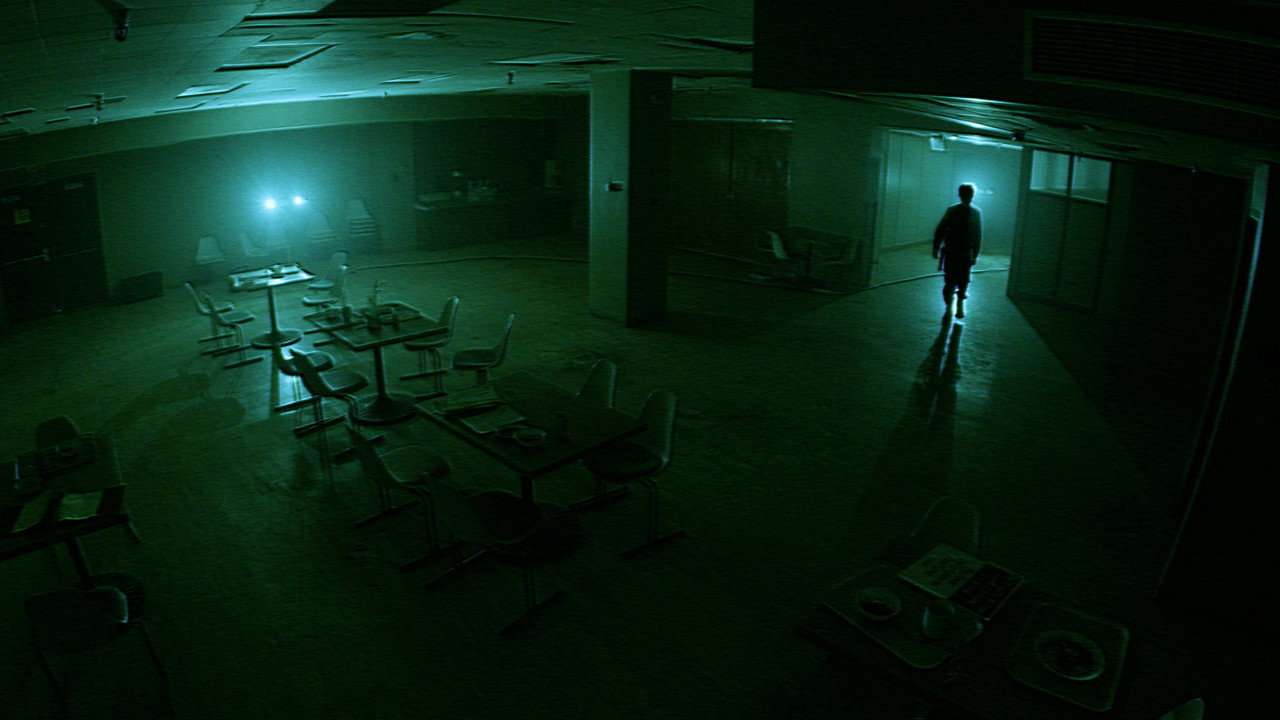
Without spoiling the opening act, the final stretch of the film centers entirely on the recovered Infirmary bodycam footage. The guard, new to the job and clearly out of his depth, wanders deeper into the abandoned hospital. The camera captures narrow hallways that grow increasingly disorienting, dark rooms that feel watched, and audio anomalies that the investigators cannot dismiss. There is no final confrontation with a visible creature, and no last-minute survivor explains the rules of the entity. Instead, the recording simply ends, leaving the guard’s fate officially unresolved.
This is where many viewers ask what happens in Infirmary ending, and the truthful answer is: the building wins. The guard becomes another missing person absorbed by the labyrinth. Investigators, baffled by the footage, are left with more questions than evidence. The film’s final moments double down on the idea that some places do not give up their secrets. By denying us a body, a confession, or a scientific explanation, the movie turns its ending into an open wound.
The Meaning Behind the Ending
When people discuss the Infirmary ending meaning, they are usually circling the idea of liminal horror. A psychiatric hospital is already a space of transition—between sanity and illness, between society and isolation. Layer found footage over that, and you create a story about the collapse of human systems. The guard represents institutional failure; he is underprepared, under-supported, and ultimately swallowed by an environment that no longer functions according to rational rules. The ending suggests that the horror is not a monster, but the inability of modern logic to map a place that has been forgotten.
There is also a strong thread of paranoia woven through the final act. Because the audience sees only what the bodycam sees, we are trapped in the same limited perspective as the investigators. We cannot look behind us. We cannot verify whether the shadows are real. That claustrophobia is deliberate, and it transforms the hospital into a psychological maze rather than just a physical one. The ending, in this light, is a commentary on how much we trust recorded evidence, and how easily that trust fractures when the footage refuses to cooperate.
Themes You Might Have Missed
Several ideas operate beneath the surface if you are paying attention. First, the film treats the psychiatric hospital as a character with its own appetite. Second, it uses the bodycam format not as a gimmick, but as a thematic device that questions the reliability of documentation. Third, it plays with the word “pathetic” in the classical sense: the guard’s suffering evokes pity and fear simultaneously, a structure that classic horror often relies on.
If you enjoy movies that weaponize small spaces and shifting geography, this will feel familiar yet distinct. It sits in the same conversation as Creep, where a simple camcorder setup creates unbearable tension through performance and pacing. It also shares DNA with Creep 2, which proves that sequels in this format can escalate psychological stakes without raising the budget. And for viewers who prefer dread that simmers in domestic spaces, Rosemary's Baby remains the gold standard for turning paranoia into horror, a trick this film attempts in its own liminal way.
What We Think of Infirmary
Critics looking for a tidy Infirmary explained will be disappointed, because the movie is a mixed bag with a strong atmosphere. The 5.4/10 rating from a small pool of votes reflects its rough edges: some sequences feel underproduced, and the pacing occasionally stalls before the final act. Yet there is craft here. Director Nicholas Pineda understands that what you do not show can be more frightening than what you do. The cast, led by Paul Syre and Mark Anthony Williams, sells the fear with minimal resources, while Danielle Kennedy and Corinna Wagner-Smith add texture to the mystery.
Is it a masterpiece? No. Does it break new ground in the found-footage category? Also no. But it is an interesting, often sinister piece of liminal storytelling that respects its audience enough to leave things unexplained. If you like your horror tense, paranoid, and slightly pathetic in the most human way, this is worth your time. Just do not expect the building to give up its ghosts.
Infirmary Quick Facts
- Title: Infirmary (2026)
- Genre: Horror
- Director: Nicholas Pineda
- Runtime: 85 minutes
- Rating: 5.4/10 (18 votes)
- Main Cast: Paul Syre, Mark Anthony Williams, Danielle Kennedy, Corinna Wagner-Smith
- Premise: A guard vanishes on his first night at an old psychiatric hospital in 2023; his bodycam footage captures incidents that remain unexplained.