Infinite Challenge (2005): Korea's Real-Variety Pioneer
Infinite Challenge (2005) is Korea's pioneering unscripted real-variety comedy where six hosts tackle absurd, dirty, dangerous, and difficult challenges.
October 18, 2026
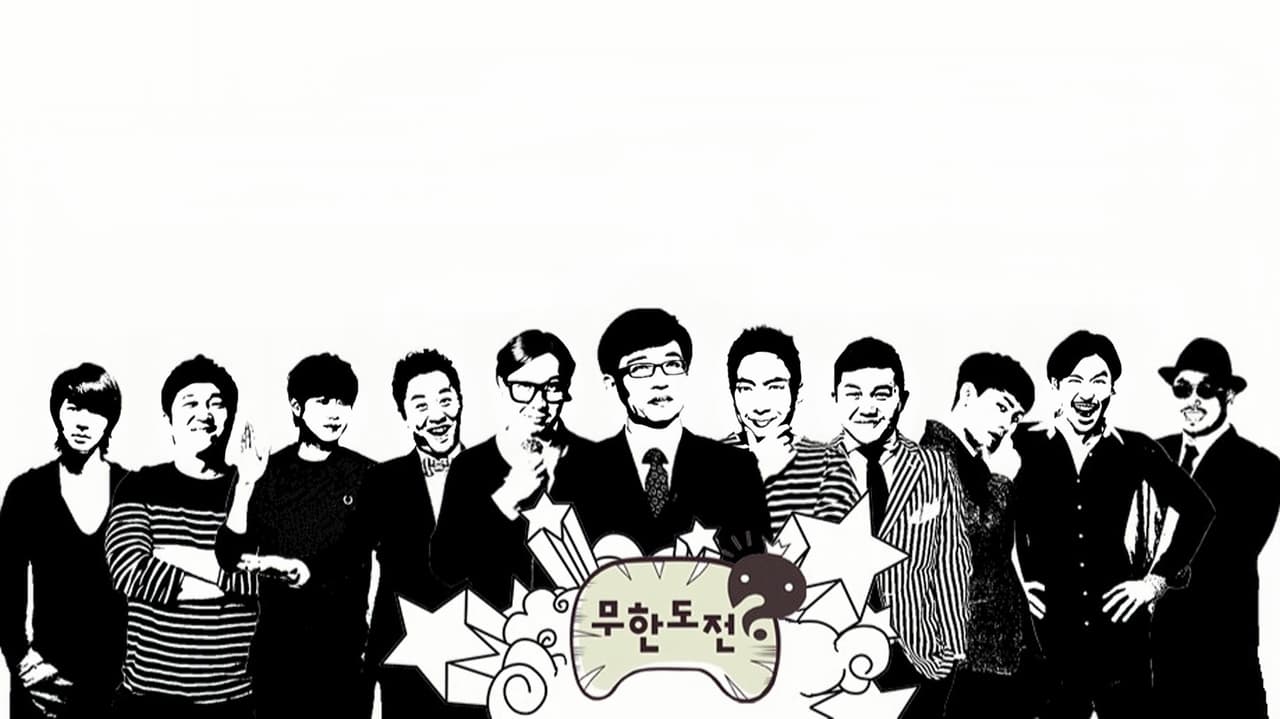
The Ending, Explained
Reality television often builds toward a winner, but the Korean program Infinite Challenge bends that expectation. The broadcast, Infinite Challenge explained, flips Western reality formulas by leaning on improvisation and slapstick rather than competition. Kim Tae-ho directed this hybrid, and its tagline shouts "Muhann~ Dojeon!~~~" which translates to an enthusiastic call of infinite challenge. It has been reported as the first "Real-Variety" show in Korean television history, a claim that underscores its experimental nature.
Because the cameras capture largely unscripted behavior, the closure of each installment feels different from a talent show. The hosts and staff repeat that their work follows the 3-Ds: dirty, dangerous, and difficult. That mantra shapes how a segment winds down, often with laughter instead of a trophy. The six hosts and staff continuously proclaim these elements, ensuring viewers know the absurdity is intentional.
Viewers who enjoy chaotic humor might also explore Nick Cannon Presents: Wild 'N Out, a series built on quick comedy sketches and spontaneous roasts that echo the same unpolished energy.
What Happens
The structure mirrors challenge-based formats familiar in the West, yet the tasks given to the ensemble are deliberately silly, absurd, or outright impossible. By watching the earlier segments, you learn what happens at the end of Infinite Challenge without spoilers: the participants rarely achieve the stated goal, and the real product is a satirical comedy variety beat.
We explored Infinite Challenge ending explained thoroughly, using the show's own chaotic format as a guide. The six hosts plus supporting cast members like Yu Jae-seok, Park Myung-soo, Jeong Jun-ha, Haha, Yang Se-hyung, Jeong Hyeong-don, Noh Hong-chul, and Gil plunge into messy setups. Their failures become the punchline.
The repeated elements include:
- Dirty environments that ruin formal attire.
- Dangerous stunts performed with safety but clear risk.
- Difficult physical or mental trials that frustrate everyone.
Each episode therefore closes not with a scoreboard but with the cast acknowledging the ridiculousness of the prompt. This is the "real-variety" label the program is credited with pioneering in Korean TV history. This approach means the program sits closer to a satirical comedy variety show than a standard reality contest. Western audiences may recognize the challenge-based skeleton, but the Korean twist removes the pressure.
The Meaning Behind the Ending
When the nonsense reaches its peak, the audience understands the point. The finale, Infinite Challenge ending meaning, is tied to the 3-Ds of dirty, dangerous, difficult and shows that joy comes from attempt rather than success. The show argues, through comedy, that rigid contest rules are less entertaining than human error. Rather than resolving a mystery, the final act invites the audience to laugh at the gap between expectation and outcome.
This perspective reframes the typical reality arc. Instead of building tension for a reveal, the program treats the final act as a release valve. The satirical layer means the impossible challenge is a metaphor for everyday struggles handled with humor.
If you want a newer take on game-like comedy, Squid Game: The Challenge offers a contrasting polished contest where the ending carries higher stakes and a clear winner.
Themes You Might Have Missed
Beneath the surface, the series comments on media itself. The series, Infinite Challenge funny moments, keeps audiences returning for the cast's blunt reactions, but the deeper theme is the deconstruction of variety show tropes. By proclaiming the 3-Ds, the staff mock the seriousness of traditional competition programs. The theme of challenge is ever-present, yet the variety show frame ensures no one is truly eliminated.
Another thread is the blend of reality show authenticity with scripted comedy timing. The participants never break character fully, yet they signal that the events are engineered for laughs. This balance created a template later cited as the first real-variety show in its home market.
For a British laugh track style, LOL: Last One Laughing UK mirrors the improvisational beat, though it traps comedians in a no-laugh room rather than sending them into messy missions.
Additional motifs include:
- The celebration of failure as entertainment.
- The constant reminder that challenges are artificial.
- The warmth of a stable ensemble facing absurdity together.
Should You Press Play on Infinite Challenge?
The streaming crowd looking for a light watch will find merit here. With a user rating of 7.7 out of 10 from twenty votes, the title sits as a respected cult entry. Its genres of reality and comedy promise exactly what the format delivers: unscripted giggles and weird tasks. The light rating suggests a mild but consistent reward for those who tune in.
Because the runtime is not fixed and the episodes flow as variety blocks, you can sample any segment. The absence of a tightly written plot means the "ending" we explained never feels like a spoiler. New viewers can jump in without homework.
If you appreciate shows where the cast's chemistry outweighs the premise, this is a strong press-play candidate. The humorous tone and the "Muhann~ Dojeon!~~~" spirit make it a relaxing background or active watch.
Infinite Challenge Fast Facts
Before we close, note the core details that define the title. Here is a quick reference list for the curious browser:
- Title: Infinite Challenge (2005)
- Genres: Reality, Comedy
- Director: Kim Tae-ho
- Rating: 7.7/10 from 20 votes
- Tagline: "Muhann~ Dojeon!~~~" ("Infinite~ Challenge!~~~")
- Main cast: Yu Jae-seok, Park Myung-soo, Jeong Jun-ha, Haha, Yang Se-hyung, Jeong Hyeong-don, Noh Hong-chul, Gil
- Defining concept: Reported first "Real-Variety" show in Korean television history
The blend of challenge, variety show, and reality show elements makes the program a historical footnote as well as a funny time killer. Whether you came for the Infinite Challenge funny moments or the breakdown of its close, the catalog entry rewards an open mind.