House of the Dragon (2022): The Targaryen Succession Crisis
House of the Dragon (2022) charts the Targaryen decline after Viserys names Rhaenyra heir, sowing division that erupts into warfare.
October 18, 2026
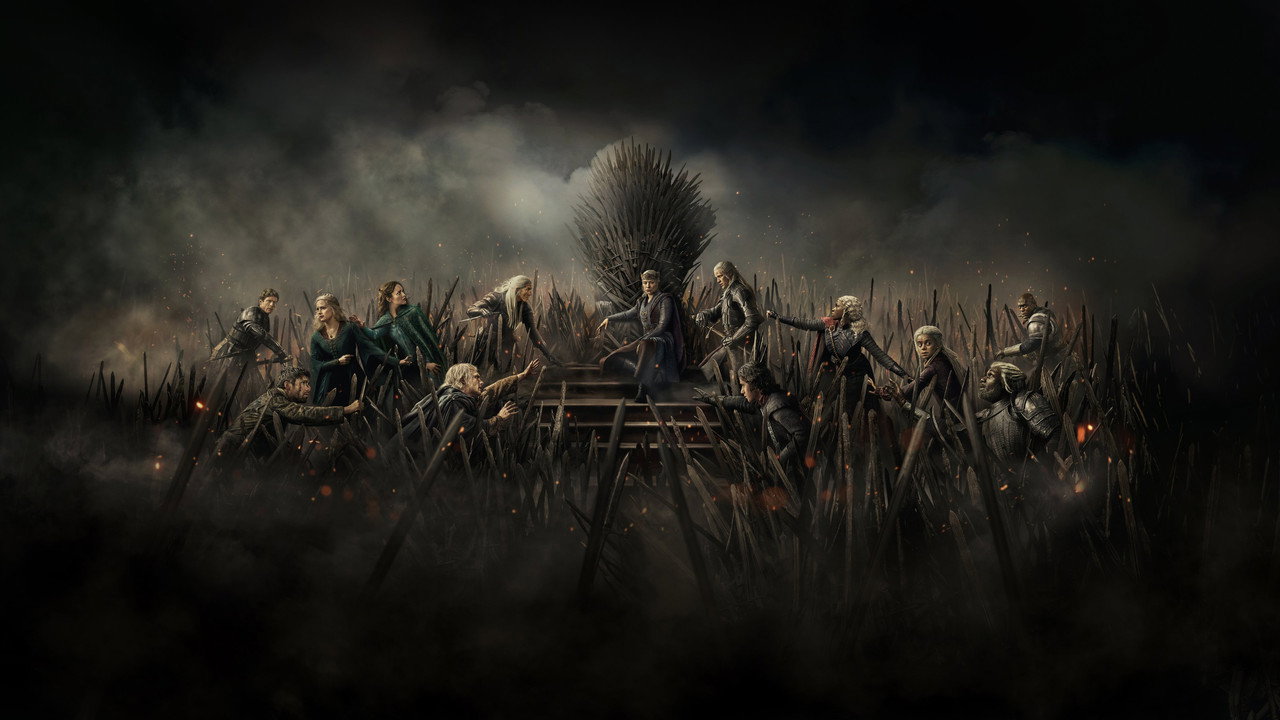
The Ending, Explained
After following the Targaryen saga through its lavish rise and bitter rivalries, many viewers want closure on the recent chapters. This article offers House of the Dragon ending explained commentary that respects the early episodes while focusing on the final act. The story reaches a point where the family’s grip on power fractures under the weight of its own ambition. We see alliances shift, and the consequences of naming Rhaenyra as heir ripple into open warfare. Without revisiting the first act, we can state that the climax pays off the long setup with fire and blood. The court that once celebrated more than fifteen dragons under its yoke now watches those very beasts become instruments of mutual destruction. Personal grudges eclipse any notion of unified rule, and the throne itself becomes a magnet for tragedy rather than glory.
Beyond the battles, the conclusion underscores how personal jealousy and royal duty collide. King Viserys’s earlier decision to break tradition sets a course that cannot be reversed by later births or declarations. The final stretch of the narrative shows characters forced to choose sides, and those choices bring ruin to many. Our breakdown aims to help streamers who jumped straight to the latest season understand the stakes. We avoid detailing the opening maneuvers, yet we can say that every quiet conversation from earlier returns as a loud reckoning. The show proves that a prequel can stand on its own while still honoring the weight of inherited lore.
What Happens
The third chapter opens with a staggering naval confrontation that defines the tone for everything after. We witness House of the Dragon end events during a massive strait battle where ships burn and dragons rule the sky. The bloodiest sea fight in the realm’s history features young riders thrust into chaos. One heartbreaking moment involves Rhaena, who attempts to control her half-wild dragon Sheepstealer. The beast disobeys, striking both allies and enemies, and inadvertently causes the death of Prince Jacaerys. This randomness of dragon obedience becomes a central punch to the gut, reminding us that these creatures are not tidy weapons but forces of nature. The camera work lingers on the terror of riders who cannot predict whether their mounts will protect or slaughter.
Meanwhile, Prince Daemon emerges from his brooding at Harrenhal as a fierce commander. Matt Smith portrays him with raw magnetism, unleashing havoc for Rhaenyra’s claim. When he finally meets Rhaenyra again, their combined presence reminds us why they are the most dangerous pair in the fantasy world. The action sequences mix practical wreckage with digital flight, creating a spectacle that rivals anything previously seen on the platform. For those who enjoy mythic conflicts, we also recommend Twilight of the Gods, which carries a similar epic weight. The naval clash alone redefines what a television budget can achieve when placed in service of story rather than empty spectacle.
The Meaning Behind the Ending
Looking deeper, we understand House of the Dragon ending meaning by examining the cost of unchecked authority. The final act is less about who sits on the Iron Throne and more about how the pursuit of it destroys the people who might have ruled wisely. Dragons function as nuclear-scale weapons that no single rider can fully command, symbolizing the limits of any dynasty’s control. The death of a promising heir like Jacaerys proves that the next generation pays for the sins of the old. Even moments of victory taste of ash because the realm itself has been hollowed out by contention.
Daemon’s transformation from schemer to battlefield catalyst shows that even the most restless prince finds purpose in chaos. His reunion with Rhaenyra suggests that unity, however brief, can still shake the realm. The ending does not promise peace; it promises further fracture. That bleak outlook is exactly what makes the show’s closing movements feel earned rather than rushed. Fans of dark fantasy may also appreciate The Sandman, a series that explores power and fate with equal nuance. The thematic core insists that power madness is not a flaw of individuals but a property of the crown itself.
Themes You Might Have Missed
Several layered ideas hide beneath the armor and fire. Political strife accelerates Targaryen dynasty slow fall across generations, showing that empires collapse from internal rot rather than external blows. The dysfunctional family at the center mirrors every courtly struggle in history, making the fantasy world feel oddly human. Knights and kings speak of honor, but their actions reveal power madness lurking behind every polite sentence. The presence of a kingdom built on dragon fear only postpones the inevitable reckoning.
Additionally, this perspective gives House of the Dragon explained a fresh angle on inheritance. The show asks whether a name or a bloodline truly entitles someone to rule when the realm itself rejects the arrangement. Dragons may bond with riders, but loyalty is never guaranteed. Those who watch closely will notice that the prequel’s kingdom operates on fragile agreements, and the epic battle scenes are just symptoms of a deeper illness. If you want another take on mysterious realms, La Brea offers a different kind of portal-driven drama. The dark fantasy texture never lets viewers forget that every triumph is borrowed from a future loss.
What We Think of House of the Dragon
The production values remain staggering, and the latest episodes elevate the series to new heights. With a community rating of 8.381 out of 10 from thousands of votes, it is clear that audiences embrace the bold direction. Matt Smith, Emma D’Arcy, Olivia Cooke, and the rest of the cast deliver performances that ground the spectacle in emotion. The tagline “Win or die” feels more than a slogan; it becomes the only policy that matters. The show’s ability to weave intimate betrayal into continent-spanning war is its greatest achievement.
While some earlier stretches favored talk over combat, the recent climax balances dialogue and destruction. The show earns its place among modern fantasy television by trusting viewers to handle moral ambiguity. We applaud the decision to open with a massive set piece and then deepen the character work. It is a rare streaming drama that respects both the brain and the adrenal glands. The dysfunctional family dynamic, the knightly codes, and the sheer scale of the dragon politics combine into a package that feels complete yet open-ended.
House of the Dragon Key Details
- Genres: Sci-Fi & Fantasy, Drama, Action & Adventure
- Rating: 8.381/10 based on 7222 votes
- Tagline: Win or die.
- Plot core: The Targaryen dynasty at apex with more than 15 dragons, then a break from tradition names Rhaenyra heir, later a son is born yet she remains heir, sowing division.
- Themes: based on novel or book, kingdom, prequel, dysfunctional family, knight, dragon, king, fantasy world, dark fantasy, epic battle, power struggle, power madness
- Main cast: Matt Smith, Emma D'Arcy, Olivia Cooke, James Norton, Steve Toussaint, Fabien Frankel, Matthew Needham, Sonoya Mizuno
The journey from peak prosperity to fractured realm is the heart of the experience. Whether you arrived for the dragons or the dynastic intrigue, the final act delivers a melancholy echo of the show’s opening promise. The slow burn of the courtly drama finally ignites, and what remains is a testament to the cost of winning at any price.