HORROR COLLECTOR (2026): Japan's Urban Legends Come Alive
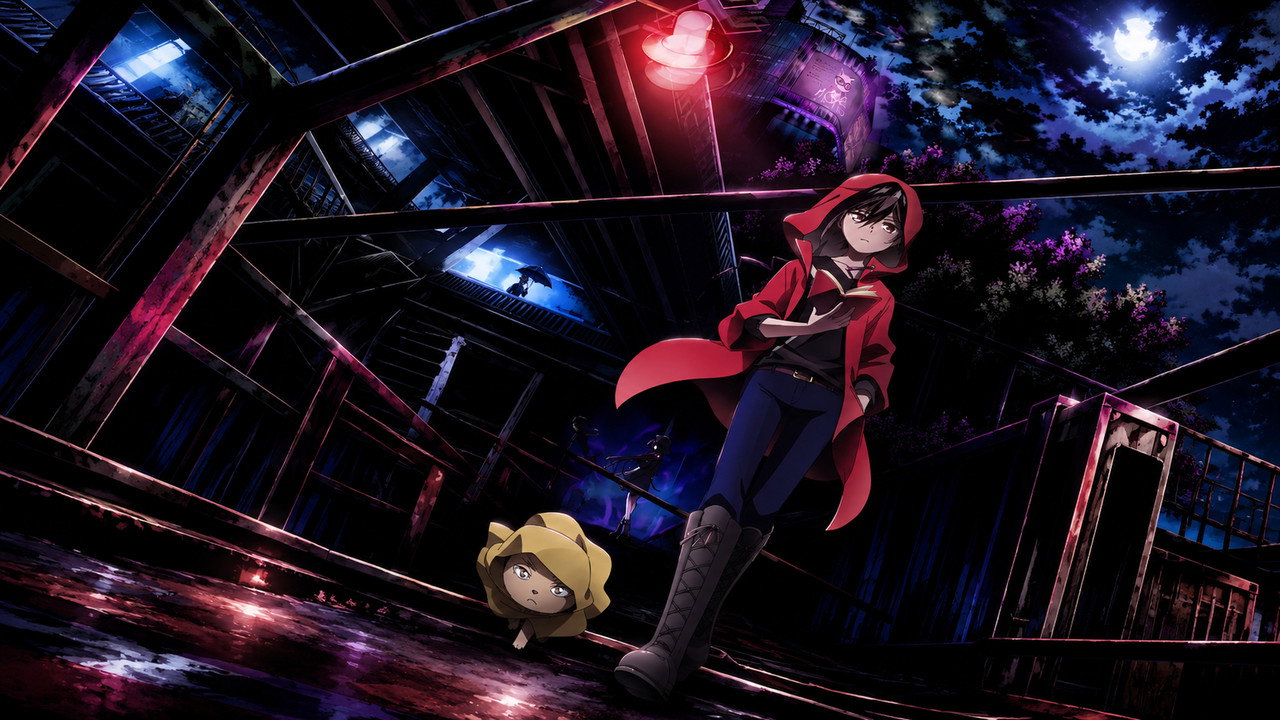
Fushigi and his human-faced dog Jimmy roam Japan sealing real urban legends in a magical notebook to catch the girl Himitsu.
October 16, 2026
The Ending, Explained
HORROR COLLECTOR is a 2026 animated mystery built for younger audiences but with enough eerie atmosphere to hook the whole family. It adapts a book and joins the long line of anime that treat urban legends as something more than campfire stories. The setup introduces Fushigi, a figure in a red hood who travels across Japan with Jimmy, a dog that wears a human face. Their task is to trap localized myths inside a magical notebook before the tales cause harm. Waiting in the shadows is Himitsu, the girl who brings these supernatural beings into the world. We will not reveal how the first act unfolds, but our HORROR COLLECTOR ending explained breakdown begins only after the early secrets are safe.
As the series progresses, each sealed phenomenon acts like a breadcrumb. Fushigi gets closer to the source, and the notebook thickens with captured wonders. The final stretch is where the show pays off its quiet promises. Without spoiling the opening, it is fair to say that the last episodes reframe the entire hunt. The magical notebook is not just a prison; it becomes a mirror for the person holding the pen.
What Happens
To appreciate the closure, viewers often ask about HORROR COLLECTOR end what happens to the boy in the red hood once the last page is filled. The answer lies in how the anime handles its own rules. Throughout the run, Fushigi and Jimmy respond to manifestations that ordinary people dismiss. By the finale, the accumulated seals point directly to Himitsu. The confrontation is less about battle and more about understanding why a child would summon ghosts and legends into real streets.
The closing movement keeps its mystery label intact. Nothing is handed to the audience; the story trusts kids to connect the dots. Jimmy’s human face, for instance, gains new context when the girl’s motive surfaces. While we avoid the first act, it is clear that the end ties the notebook, the hood, and the canine companion into a single statement about responsibility.
The Meaning Behind the Ending
The HORROR COLLECTOR ending meaning becomes clearer when you stop seeing Himitsu as a villain. She is the engine behind the supernatural outbreak, yet her actions stem from isolation rather than malice. Fushigi’s red hood, a visual echo of fairy-tale tradition, signals that this is a fable about listening to those we label as strange. The magical book then represents the power of storytelling to contain fear without erasing it.
When the final seal is placed, the show suggests that collecting horror is not about deletion but transcription. The urban legends stay alive on the page, and the girl who made them real is offered a place in the narrative rather than exile. That choice gives the finale a gentle maturity rarely seen in kids animation.
Themes You Might Have Missed
Because it adapts a novel, the anime carries literary layers beneath its monster-of-the-week surface. The phrase HORROR COLLECTOR explained often trends among anime fans who notice the bookish structure. Each encoded legend mirrors a chapter, and the red hood ties the volume together as a modern fairy tale. The human-faced dog Jimmy is more than comic relief; he embodies the blurring line between the familiar and the uncanny that the adaptation emphasizes.
For viewers who enjoy literary adaptations, another recent animated work worth a look is Anne Shirley. Both programs show that young protagonists can carry quiet, spooky tones without losing warmth. Themes of isolation, the power of stories, and the courage to face invisible things run through HORROR COLLECTOR and similar titles.
Another subtle thread is the idea that not all urban legends are myths. Some are real, and the show treats that premise with respect rather than joke. The mystery genre framing lets children practice deductive thinking alongside Fushigi, while the animation style keeps the frights friendly.
Should You Press Play on HORROR COLLECTOR?
The story, when HORROR COLLECTOR explained fully, reveals why the red hood matters and why Jimmy’s face is the key to empathy. If you want a family watch that avoids gore but still feels like a puzzle, this 2026 release fits. The current rating sits at 0.0/10 with zero votes simply because it is new, not because of quality concerns. Its labeling as anime and as based on a novel suggests a calm, literary pace.
For a lighter animated companion after the credits roll, try Talking Tom and Friends. It swaps supernatural seals for comedy, yet both shows center on quirky animal pals and a child’s point of view. Parents looking for a bridge between cute and creepy will find the pairing useful.
Press play if your household enjoys mysteries that respect young viewers. The lack of a final-act twist does not weaken the experience; instead, the slow reveal of Himitsu’s role gives the ending weight. It is a collector’s item for fans of gentle anime horror.
HORROR COLLECTOR FAQ
Younger audiences might also appreciate Brandy & Mr. Whiskers when they finish this one, since both feature odd friendships in animated worlds.
- Is HORROR COLLECTOR based on a book? Yes, the plot confirms it adapts a novel or book, and the chapter-like structure reflects that origin.
- Who is Jimmy in the story? Jimmy is Fushigi’s companion, described as a human-faced dog, traveling Japan to seal legends.
- What genre does it target? Animation, Mystery, and Kids, with an anime label and supernatural themes.
- Does the ending resolve the Himitsu plot? The final act brings Fushigi face to face with the girl responsible for the manifestations, closing the loop built across the runtime.
- How long is the film? Runtime is not listed, but the project is tagged as a 2026 animated release.
With the breakdown above, the finale should feel earned rather than confusing. The mix of notebook magic, red-hood symbolism, and a lonely child’s creations makes HORROR COLLECTOR a thoughtful addition to kids mystery animation.