Hollywood Arts (2026): A Substitute Teacher Finds Her Way
Trina Vega returns to Hollywood Arts as an unqualified substitute teacher and finds a second chance among its most ambitious performing arts students.
October 16, 2026
The Ending, Explained
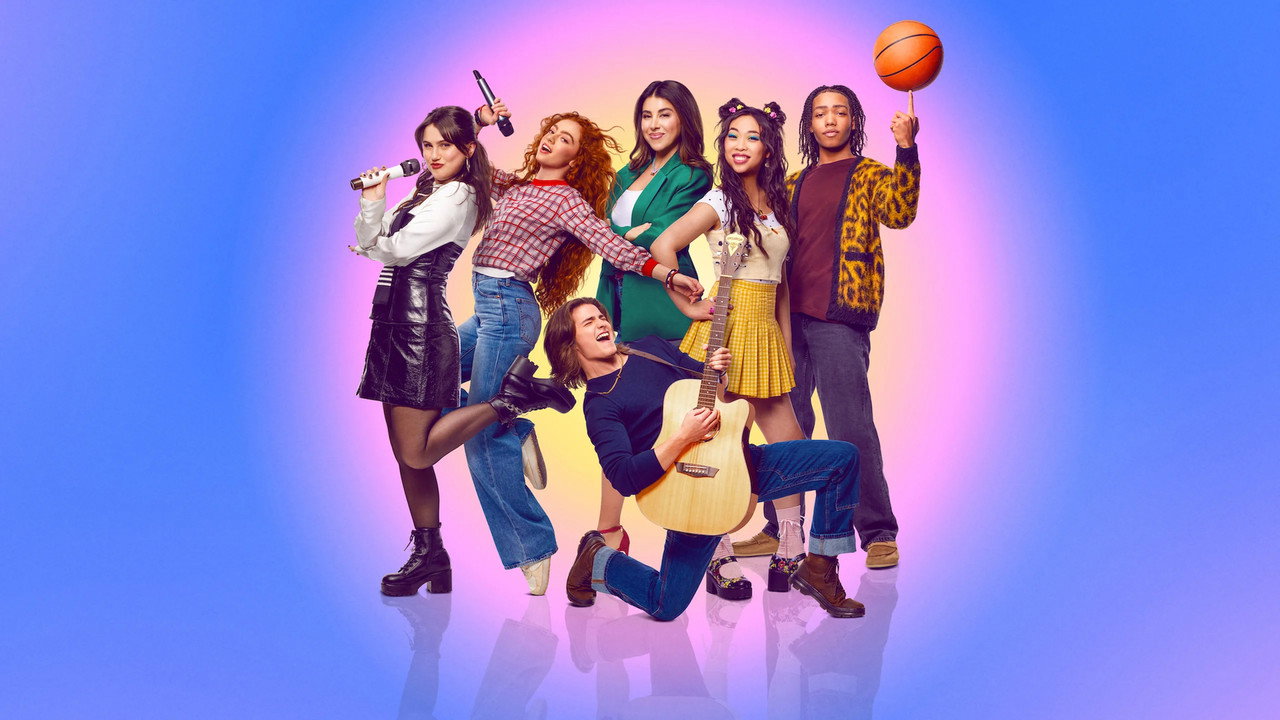
Hollywood Arts returns to the glittering, high-pressure world of elite performing arts education, but it does so through an unexpected doorway. Trina Vega, played by Daniella Monet, comes back to the school she once attended—not as a polished success, but as a struggling actress who has accepted a job she is not qualified for. The premise sets up an immediate clash between a substitute teacher who is barely holding her own life together and students who have already sacrificed a normal teenage experience for their art. If you are looking for the Hollywood Arts ending explained, the short version is that the finale is not built around a shocking reveal. Instead, it is a slow, character-driven convergence in which both teacher and students are forced to confront the difference between performing and genuinely growing.
Before the analysis begins, here is the Hollywood Arts explained in the simplest terms: a struggling actress walks back into her old elite performing arts school as an unqualified substitute teacher, and the story that follows is about what she and her students learn from that collision.
What Happens
Without stepping into first-act territory, the final movement of Hollywood Arts can be read as a series of small reckonings rather than one large climax. Trina arrives believing she is simply marking time until a better opportunity appears. Over the course of the story, her friction with the students exposes the fact that she is projecting her own disappointment onto their ambition. The students, meanwhile, initially dismiss her as an outsider who cannot possibly understand the pressure of their world. By the end, that dynamic flips. The question of what happens in Hollywood Arts ending is answered through mutual recognition: Trina stops treating the classroom as a waiting room, and the students stop treating talent as a transaction. There is no single antagonist to defeat; the conflict is internal, and so is the resolution.
Because this is a spin-off set in a familiar sitcom landscape, the structure leans toward episodic emotional growth rather than cinematic spectacle. Each of the young performers represents a different anxiety about the industry. One may be chasing validation, another may be afraid of being ordinary, and another may be quietly questioning whether the performing arts are worth the personal cost. Trina’s unqualified presence forces them to articulate those fears out loud. In turn, their refusal to surrender their dreams forces her to admit that she is not done with performing herself. The Hollywood Arts plot twist, such as it is, lies in how quietly the film dismantles the idea that a teacher must be flawless to be useful. Trina’s incompetence becomes her most honest lesson plan.
The sitcom DNA of the project means the finale operates more like a season-finale promise than a theatrical ending. That does not weaken it; it simply means the stakes are personal. When the students stop competing for Trina’s approval and start collaborating, the film signals that the school has done its job—not by producing stars, but by producing artists who can support one another. The final scenes suggest that the true path each character seeks is not a contract, but the confidence to keep working when the spotlight moves elsewhere.
The Meaning Behind the Ending
The Hollywood Arts ending meaning centers on the idea that a school is not merely a building or a brand; it is a collection of choices repeated every day. The film suggests that elite training can either hollow out a young artist or help them build a sustainable path, depending entirely on whether they are treated as people or as products. Trina’s arc proves that inspiration does not require mastery. Sometimes the most influential teacher is the one who openly admits she is still figuring things out. The ending reframes her professional failure not as a dead end, but as the very thing that allows her to connect with students who are terrified of failing. It is a gently radical suggestion that vulnerability in the classroom can be a strength rather than a liability.
Themes You Might Have Missed
One undercurrent is how the film treats nostalgia. Hollywood Arts is a spin-off, and it could easily have rested on callbacks alone. Instead, it uses the returning setting to ask whether going home is ever truly possible. Trina finds the school both comforting and alienating, and the story respects that tension rather than smoothing it over. Another thread is the economic anxiety of artistic life. These are students training for an unstable industry, and the narrative does not pretend that talent guarantees security. Finally, the family dynamic is real: Yvette Nicole Brown and the ensemble create a found-family texture that gives the comedy its warmth. If you enjoy stories about second chances inside creative institutions, this one sits comfortably beside Sonny with a Chance and its blend of backstage humor and personal growth.
Hollywood Arts: What We Thought
As a comedy-drama aimed at family viewers, Hollywood Arts works more as a character study than as a tightly plotted puzzle. It is shorter and gentler than an awards contender, but it earns its warmth by letting its characters be uncertain without mocking them. Fans of school-based sitcoms will recognize the rhythm, even if the tone occasionally swings between sincerity and silliness. It is a modest, watchable entry that trusts its cast to carry the emotional weight, and the result is a film that feels friendly rather than showy.
Hollywood Arts FAQ
Is Hollywood Arts appropriate for kids?
Yes. The film is built for family audiences and mixes comedy and drama in a way that should be accessible to younger viewers while still resonating with adults who remember the performing-school setting.
Do I need to watch previous series to understand it?
Not necessarily. While the spin-off framework will reward longtime viewers, the core story about a substitute teacher and her students stands on its own. Newcomers can follow the emotional arcs without prior knowledge.
What is the main theme of Hollywood Arts?
At its heart, the film is about finding an authentic path in a competitive environment. It argues that being unqualified can sometimes make you more open-minded, and that real inspiration often comes from honesty rather than polished expertise.
Where can I watch similar shows?
If you like the mix of youthful ambition and gentle comedy, check out A.N.T. Farm for another take on gifted students navigating specialized schooling, or Stuck in the Middle for a family-centric comedy about standing out in a crowded house.