HK 80's (1981): Hong Kong's Longest-Running Sitcom
HK 80's is the 1981 Hong Kong sitcom that ran for 1,330 episodes, renamed yearly, and satirized society through grassroots characters.
November 28, 2026
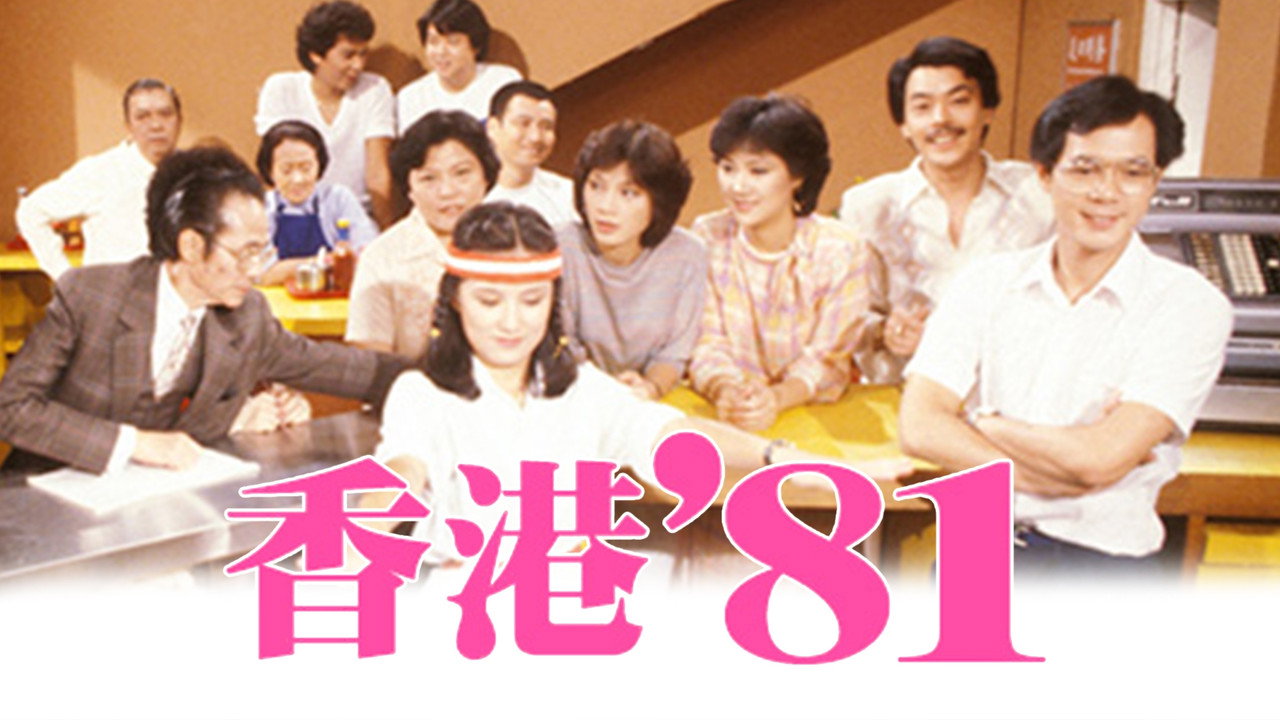
The Ending, Explained
Long-running sitcoms rarely get a clean, neatly wrapped send-off, and this one is no exception. When viewers ask about the HK 80's ending explained, the honest answer is that the show never built toward a single climactic moment the way a serialized drama would. It was a weekly fixture of Hong Kong television life, and its conclusion came about through the slow mechanics of programming changes rather than a scripted farewell. The series changed its name every year, tracking the calendar from "Hong Kong 81" all the way to "Hong Kong 86," and eventually the network replaced it with a fresh sitcom called "City Stories." That transition, more than any farewell episode, is the real ending: a beloved institution quietly making way for something new.
What Happens
If you go looking for a traditional final-act twist, you will not find one. The show produced a staggering 1330 episodes across its run, which makes it the second-longest-running series in Hong Kong history, behind only "Come Home Love: Lo and Behold." With that volume, the "ending" is less a single scene and more the cumulative closure of a format that had exhausted its moment. The early storylines leaned heavily on satire, taking current social issues and turning them into comedy that reflected the city back at itself. By the time the plug was pulled, the characters had become familiar neighbors rather than plot devices, and the show's exit felt like a changing of the guard at the network.
For audiences discovering it now, it helps to think of the series as a time capsule. Fans of ensemble family comedies that ran for years might also enjoy Family Matters, which shares that same comfort-food rhythm of familiar faces returning week after week. The comparison is useful because it shows how these shows function: the ending is never really about one story resolving, but about a ritual coming to a stop.
The Meaning Behind the Ending
So what does the conclusion actually signify? The HK 80's ending meaning is tied to the show's identity as a mirror of its era. It premiered in 1981 and renamed itself annually, which means its very title was a moving target, always pointing at the present year. When it was finally retired and swapped out for "City Stories," the message was structural: the city had moved on, and so had its television. The sitcom was never meant to conclude so much as to hand off the baton.
That reading makes the finale feel less like an ending and more like a transition between generations of programming. The characters who populated the show mostly came from the grassroots, and their stories carried an ethical dimension, poking at society's flaws through humor rather than lecture. When the curtain came down, it marked the close of a particular way of making comedy: rooted in ordinary people, aimed at the issues of the day.
Viewers who want a modern example of that same grounded, working-class family humor should look at The Upshaws, a series that carries forward the tradition of finding comedy in everyday financial and familial pressures. It is a fitting spiritual descendant to what this Hong Kong staple was doing decades earlier.
Themes You Might Have Missed
The show is often remembered for its comedy, but its deeper current is social observation. Each episode drew from current events, and the early seasons in particular took aim at the gaps and hypocrisies in society. The characters were not glamorous; they were ordinary people, and that choice gave the satire its bite. Two figures in particular became shorthand for recognizable urban types. "Mrs. Shun," played by Lydia Shum, became a term used to describe uneducated women who chase trends without understanding them. "Chen Ji," portrayed by Lawrence Ng, was a stockbroker fond of flaunting his wealth, and his behavior came to stand for the city's newly rich.
That kind of cultural shorthand is rare, and it tells you the show mattered well beyond its laugh track. The characters escaped the screen and entered the language. When people invoke those names as labels, they are paying the show an unintentional compliment: it captured something true about the city and its people.
If you want to see how a long-running ensemble show can organically build a sense of family over many years, My Three Sons is a worthwhile companion piece. Both series understood that longevity comes from characters the audience is happy to welcome back, week after week.
Should You Press Play on HK 80's?
If you are the kind of viewer who needs a tight, plot-driven arc with a satisfying conclusion, this may not be the show for you. But if you enjoy sitcoms that double as social history, the series offers something genuinely valuable. With 1330 episodes, the commitment is considerable, but you can dip in and out without losing the thread, since each installment largely stands on its own. The HK 80's series finale is not the reason to watch; the journey is. The pleasure lies in watching a city's concerns get filtered through the mouths of characters who feel like people you might actually meet.
For anyone curious about the show's place in television history, the ending rewards a bit of context. Understanding that it was replaced rather than concluded helps you appreciate what it was: a living, evolving mirror of its time, not a story with a final page.
HK 80's in Short
So, to answer the question of what happens at the end of HK 80's: the show winds down as the network retires it in favor of "City Stories," capping a remarkable run that saw it rename itself year after year and become the second-longest-running series in Hong Kong. Along the way, it gave audiences characters like Mrs. Shun and Chen Ji, names that outlived the program itself and became part of the local vocabulary. And if you want the whole picture of HK 80's explained in one line: it is a grassroots sitcom that laughed at society's flaws, ran for over a thousand episodes, and exited not with a bang, but with a handoff. Its legacy is the language it left behind.