Hello, Larry (1979): A Single Father Sitcom
A clear walkthrough of the final chapter of Hello, Larry (1979), the comedy about radio host Larry Alder raising two daughters and personal growth.
November 6, 2026
The Ending, Explained
Many fans arriving at our free streaming blog want a clear walkthrough of the final chapter of this 1979 comedy series. When people look up Hello, Larry ending explained, they are usually curious about how the story of a radio host raising two girls concludes. The show positions Larry Alder as a single father who must juggle a public broadcasting career with private family duties. Without revealing the early setup, we can say the closure emphasizes his personal growth rather than a sudden plot twist. The final stretch of the sitcom revisits the simple rhythm of his daily life, showing that the real resolution is acceptance of an unconventional household. Larry, played by McLean Stevenson, spends his days on the air and his evenings managing homework and teenage worries. The ending does not rely on a dramatic event but instead on the quiet confirmation that his two daughters, Diane and Ruthie, are thriving under his care.
Because the program is a situational comedy, the last act functions as a gentle mirror to the opening premise. A radio host who started the run uncertain about balancing work and parenting finishes with a steadier footing. That is the core of any satisfying wrap-up for a show built on domestic humor.
The radio host profession gives the series a built-in audience surrogate. Larry talks to listeners who never see him, yet his home life is visible to us. This contrast fuels the closing episodes, where the microphone becomes a symbol of his outward role while the dinner table represents his inward one.
What Happens
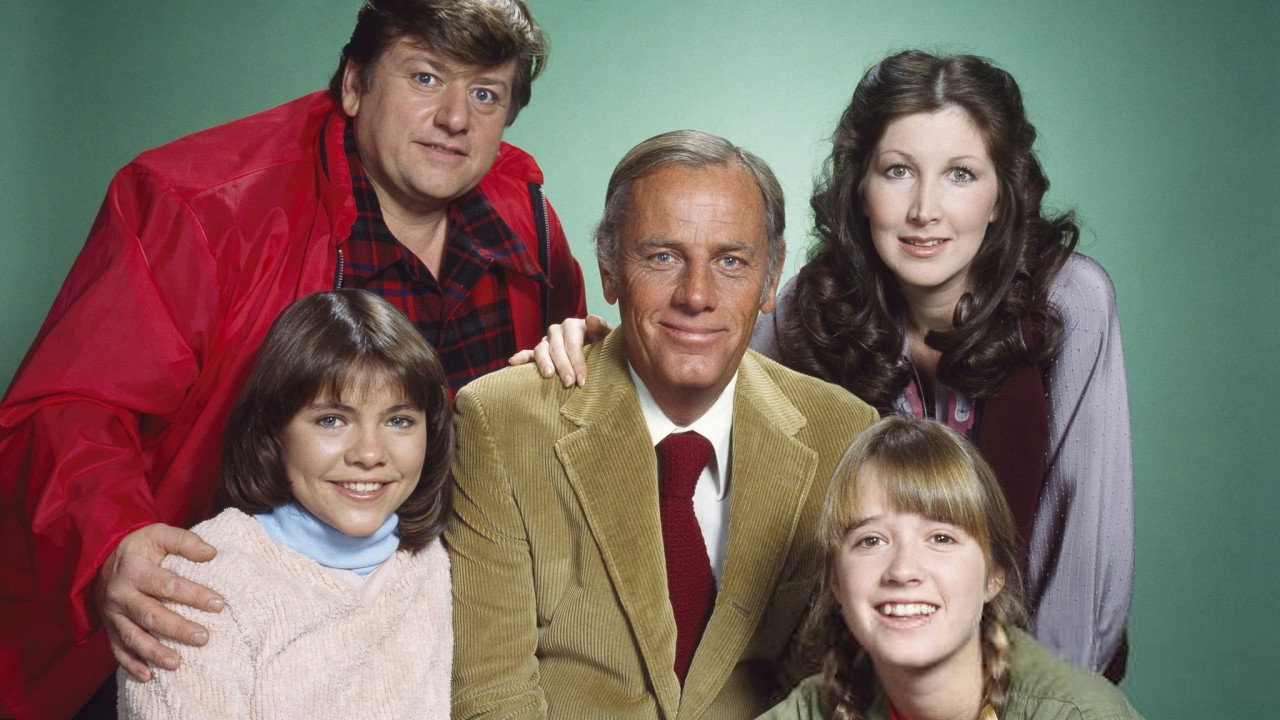
To address the question directly, what happens at the end of Hello, Larry is that the narrative brings Larry Alder back to the basics of his dual identity. He remains a broadcaster, and he remains a dad. The concluding scenes reinforce the bond between him and his children, Diane and Ruthie, portrayed by Kim Richards and Krista Errickson respectively. Joanna Gleason appears as part of the supporting ensemble, adding warmth to the family circle. Rather than introducing new conflicts, the finale consolidates the themes of routine and resilience. Meadowlark Lemon, Fred Stuthman, John Femia, and Ruth Brown round out the cast, each contributing to the community feel of the show.
Viewers who enjoy character-driven comedy will notice that the plot does not chase a grand finale. Instead, it allows the characters to exist in their established dynamic. That choice matches the sitcom format of the late seventies, where closure often meant a return to the status quo with a slight emotional upgrade.
Because the show is rooted in the sitcom tradition, the final moments rely on character recognition rather than shock. The daughters, Diane and Ruthie, show maturity that reflects Larry’s quiet guidance. The ensemble, featuring Joanna Gleason and others, supports a tone of friendly familiarity.
The Meaning Behind the Ending
Understanding the Hello, Larry ending meaning requires looking at the broader message of the series. The final act suggests that being a single father is not a problem to be solved but a condition to be embraced. Larry’s job behind the microphone gives him a public voice, yet his true audience is at home. The ending meaning hinges on the idea that love and consistency matter more than perfection. For a show with a modest rating of 5.2 out of 10 from a small voting group, this thematic clarity is a quiet strength.
The significance of the final episodes lies in their refusal to sensationalize. By keeping the focus on everyday interactions, the writers honor the real struggles of listeners who might be in similar situations. That is why the conclusion feels less like a TV movie and more like a familiar chat with an old friend.
Themes You Might Have Missed
To get Hello, Larry explained in full, one must look past the laugh track and examine the layered motifs. The radio setting is not just a workplace; it is a metaphor for connection. Larry speaks to a city while learning to listen to his own kids. The single father keyword runs through every subplot, reminding us that the domestic sphere is where the comedy truly lives. Another subtle thread is the generational gap, illustrated by the daughters’ evolving independence.
Among the Hello, Larry funny moments are the small misfires of a man trying to be both disc jockey and dad. The humor arises from timing—literally, when a broadcast deadline clashes with a family need. Those beats are easy to overlook if you expect slapstick, but they define the show’s gentle style. The presence of a varied cast, including Ruth Brown’s seasoned presence, adds texture to these scenes.
Another element worth noting is the use of music and live broadcast sound, which anchors the period feel. The sitcom never strays far from its central settings: the studio and the living room. That discipline keeps the focus on interpersonal growth.
Fans of modern takes on similar premises might enjoy Single Parents, which also explores the chaos of raising kids while maintaining a personal life. The linked show echoes the same core idea with a contemporary twist.
Is Hello, Larry Worth Your Time?
The 1979 sitcom may not top everyone’s list, given its 5.2 rating, but it offers a snapshot of an era when radio was a cultural heartbeat. If you appreciate vintage comedy about ordinary people, this title deserves a spot on your watchlist. The performances by McLean Stevenson and the young cast create a warm environment that compensates for any dated production values.
For those who like comparisons, Who's the Boss? presents another household dynamic with a working parent at its center. Watching both side by side reveals how the single father trope evolved across decades. Meanwhile, All of Us expands the blended-family conversation that Hello, Larry hinted at with its focus on a nontraditional home.
Hello, Larry Fast Facts
- Title: Hello, Larry (1979)
- Genre: Comedy, sitcom
- Main character: Larry Alder, a radio host and single father
- Daughters: Diane and Ruthie
- Cast includes: McLean Stevenson, Joanna Gleason, Kim Richards, Krista Errickson, Meadowlark Lemon, Fred Stuthman, John Femia, Ruth Brown
- Rating: 5.2/10 based on 5 votes
- Themes: radio, single father, radio host, sitcom
Whether you came for the Hello, Larry funny moments or stayed for the family lessons, the series remains a curious artifact of its time. Its ending, as we have broken down, is less about spectacle and more about the steady pulse of a father’s love.