Heart of the Beast (2026): A Survival Tale of Man and Dog
After a plane crash, a Special Forces officer and his combat dog must survive the brutal Alaskan wilderness in Heart of the Beast (2026).
October 15, 2026
The Ending, Explained
David Ayer's 2026 adventure thriller puts a Special Forces officer and his canine partner in a relentless natural gauntlet. The film, Heart of the Beast explained, is less a conventional war story than a study of loyalty under pressure. We will not walk through the early disaster that leaves them isolated, but the closing sequences are where the movie earns its rating of 7.389 out of 10 from 293 viewers. Instead of relying on twist reveals, the narrative builds emotional weight through sustained hardship.
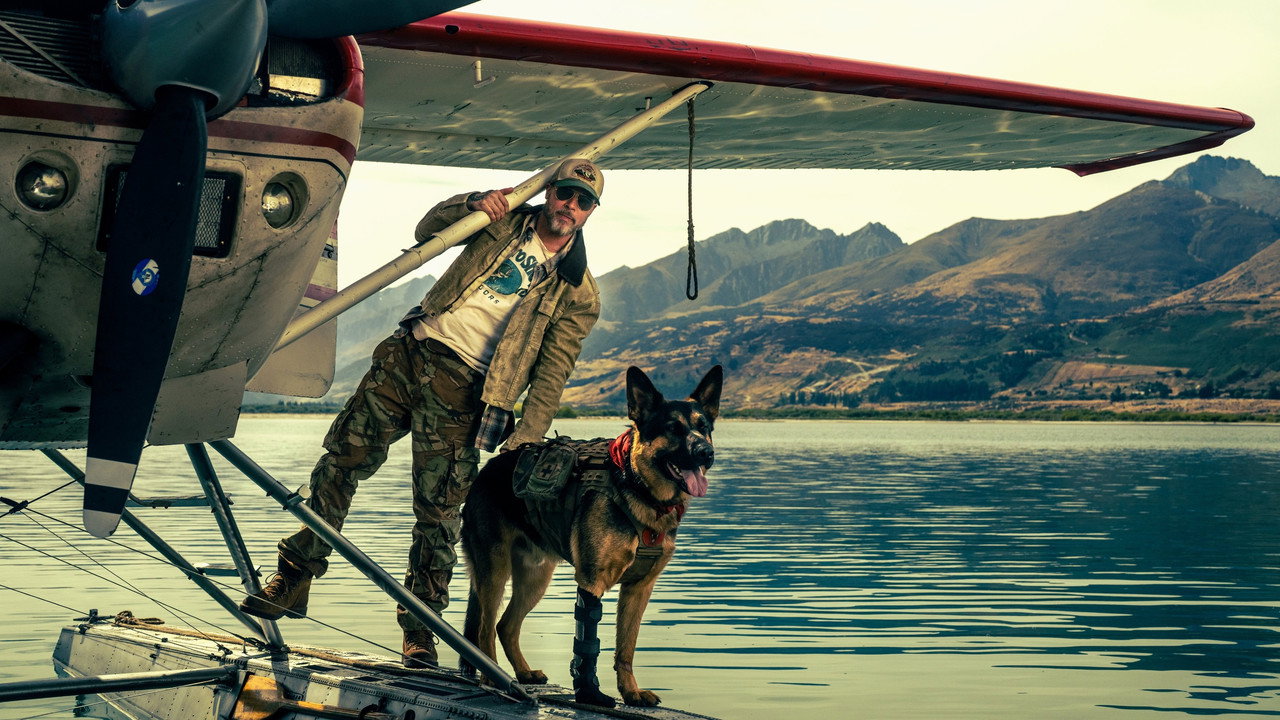
Many viewers arrive expecting a standard military movie, yet the back half shifts toward quiet observation. The loyal companion, Heart of the Beast dog, is named Odin, and his presence reshapes the last act. Brad Pitt carries the human side as James Belmont, a trained operative whose skills matter less than his willingness to listen to his animal partner. This dynamic sets up a finale that rewards patience.
Ayer frames the wilderness as a character rather than a backdrop. The American wilderness here is vast, cold, and indifferent, which makes the small victories feel monumental. By the time the story reaches its final stretch, the audience understands that survival is not about defeating nature but coexisting with it through trust.
What Happens
After the inevitable isolation in the Alaskan wilderness, the surviving pair must navigate extreme conditions. The finale, Heart of the Beast ending explained, shows how James Belmont and Odin rely on training and instinct. Without revealing the trigger that starts the story, it is enough to say that every choice in the final hour builds from the tagline: survival depends on their bond. The two move through forested stretches and icy river crossings, always aware that separation means death.
Fans of rugged survival cinema might appreciate Flight of the Phoenix, which also strands characters after an aircraft disaster and forces pragmatic teamwork. Both films understand that ensemble tension grows from scarcity rather than from villains.
As the credits approach, the camera lingers on a quiet moment. For the final shot, Heart of the Beast end scene, the wilderness does not swallow them but acknowledges their perseverance. This visual caps a runtime of 101 minutes with restraint rather than spectacle. The absence of a loud action set piece in the closing image is a deliberate choice that mirrors the thematic restraint seen earlier.
During the last sequences, the special forces background of Belmont surfaces not as gunfire but as procedural calm. He treats wounds, conserves energy, and reads weather signs. Odin mirrors these actions, proving that the combat dog is not a sidekick but a equal participant in the survival thriller. Their synchronized movement becomes the visual signature of the film's second half.
The Meaning Behind the Ending
The closing resolution, Heart of the Beast ending meaning, circles back to the emotional core rather than a twist. Belmont's military background as a special forces officer informs his discipline, yet the film suggests that rank and orders mean little without the trust of his dog. The ending implies that the American wilderness is not an enemy to conquer but a force that demands mutual dependence. When the pair reach safety, the relief is tempered by respect for what the land took from them.
This interpretation aligns with the inspirational label attached to the project. The movie does not pretend that bravery alone solves anything; instead, it presents bond as the only renewable resource in a depleted environment. A viewer who watches closely will notice that the script avoids easy triumph. The final act is about acceptance as much as achievement.
If you enjoy narratives where humans and animals share the emotional load, Big Miracle offers a similarly tender perspective on cold‑climate bonds, though its tone is gentler. That film also centers on creatures in harsh northern settings, making it a fitting companion watch.
Themes You Might Have Missed
Beyond the obvious man vs nature conflict, the story quietly critiques the illusion of control. A special forces operative carries weapons and tactics, but the Alaskan environment strips those advantages. The inspirational thread is not about victory; it is about continuation. Notice how the editing contrasts vast mountains with close‑up breaths of the dog.
Brad Pitt leads the cast alongside J.K. Simmons and Anna Lambe, with Justin Melnick and Shaun DeZern filling out the supporting roles. The canine performers Uber, Seeka, and Ryker contribute to the realism of Odin's actions. This ensemble keeps the focus on relationship rather than exposition. The military aspect appears mostly in mindset, not in uniforms or deployments, which subtly reinforces the theme that hierarchy dissolves under extreme conditions.
Another overlooked element is the use of sound. The mix favors wind and paw steps over musical score during key beats, grounding the experience in physical reality. Such choices support the survival thriller genre while avoiding the trap of constant tension. The result is a film that trusts its audience to find meaning in silence.
Viewers who prefer solitary journeys into the wild may also seek out Into the Wild, a 2007 film that similarly tests a person against untouched landscape, minus the military framework. Both movies share a reverence for the american wilderness that transcends plot.
Is Heart of the Beast Worth Your Time?
At 101 minutes, the movie respects your attention. The 7.389 rating across 293 votes indicates a favorable reception among early audiences. If you value survival thrillers that prioritize character over fireworks, this one delivers. The absence of a convoluted plot makes the final act land harder. Director David Ayer keeps the pace disciplined, allowing the environment to provide obstacles instead of manufactured antagonists.
That said, those expecting a standard military movie may feel the pacing leans reflective. The promotional tagline, survival depends on their bond, is not a marketing trick but the thesis of the entire script. Casual viewers might find the middle section slow, yet the payoff in the breakdown above justifies the patience. Genre fans who appreciate adventure mixed with emotional clarity will likely place this above average for 2026 releases.
Considering the cast strength and the focused runtime, the film stands as a compact, inspirational entry in the survival thriller category. It does not overstay its welcome, and the rating suggests word of mouth could grow as more streamers find it on free platforms.
Heart of the Beast At a Glance
Director: David Ayer. Genres: Adventure, Thriller. Runtime: 101 min. Rating: 7.389/10 (293 votes). Tagline: Survival depends on their bond. Main cast includes Brad Pitt as James Belmont, with J.K. Simmons, Anna Lambe, Justin Melnick, Shaun DeZern, and dogs Uber, Seeka, Ryker. The plot strands a special forces officer and his combat dog Odin in Alaska after a plane crash, forcing a brutal fight against the elements.