Hazbin Hotel (2024): A Sinful Bet on Demon Redemption
Hazbin Hotel (2024) follows Lucifer's daughter as she opens a rehab hotel in Hell for misfit demons seeking redemption.
October 27, 2026
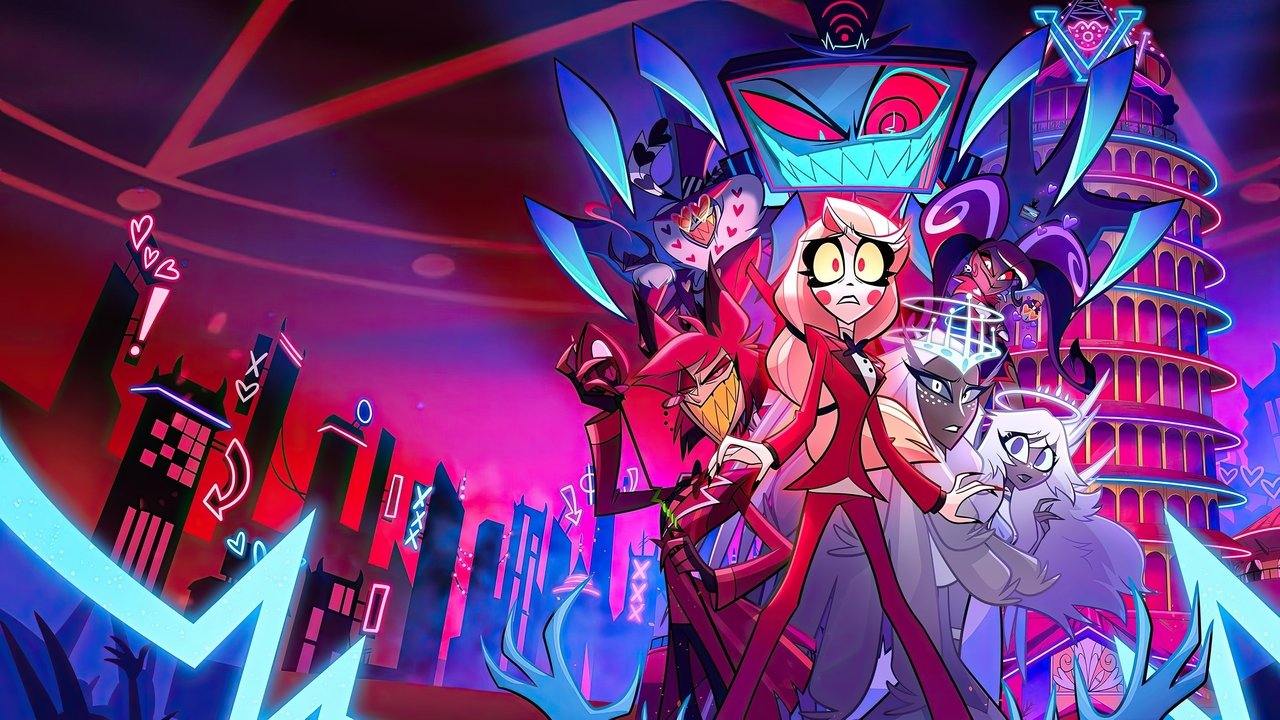
The Ending, Explained
Hazbin Hotel (2024) arrived as a bold entry in adult animation, mixing hand drawn animation with a dark fantasy setting. The show carries an 8.5 out of 10 score from over sixteen hundred voters, and its tagline promises "It's a beautiful day in Hell." For those who finished the season and felt a little lost, the Hazbin Hotel explained backdrop helps frame the chaotic finale. Fans of boundary-pushing cartoons should also explore Superjail!, which shares a similar willingness to mash comedy with grotesque visuals.
The story centers on a rehabilitation effort inside the underworld, where a group of misfit demons are given a chance to change. The musical numbers and adult humor keep the tone lively even when the narrative turns somber. In this article we will break down the closing chapters without revealing the setup that gets the hotel off the ground.
What Happens
The final stretch of episodes shifts from introvert character beats to a high-stakes confrontation between Heaven and Hell. In the finale, Hazbin Hotel Lucifer daughter Charlie steps forward to prove that a soul can improve without violence. She presents her case to powerful angelic figures, including a stern authority named Sera. Meanwhile, a brash angel called Adam interrupts the proceeding and announces a planned massacre of the very residents Charlie is trying to save.
Many viewers ask what happens at end Hazbin Hotel after the curtain falls on the annual extermination threat. In short, the veil drops on Heaven's supposed purity: Charlie learns that the upper realm has hidden its own brutal policies. A younger angel, Emily, expresses shock, while Adam gloats about the coming attack. The deadline given is one month, leaving the rehab crew with a ticking clock. This sequence recontextualizes earlier conversations about morality and forces the demons to pick sides.
For those who enjoy morally complex animated sermons, Moral Orel offers another look at flawed characters wrestling with dogma, though its style is stop-motion rather than hand drawn.
The Meaning Behind the Ending
The Hazbin Hotel ending meaning theme is central to the climax's message about personal growth. The finale suggests that redemption is possible but the systems governing the afterlife are corrupted by prejudice. Heaven is portrayed not as a flawless reward but as a bureaucracy willing to lie to maintain order. Hell, despite its punishment, becomes the only place where genuine change is attempted.
The confrontation also highlights the danger of absolute rules. When Sera insists that the infernal sentence is absolute, the narrative pushes back by showing that fixed judgments ignore personal growth. Charlie's argument that the dead can resolve to change their ways becomes the emotional spine of the finale. The angels' hypocrisy—claiming virtue while ordering slaughter—mirrors the dark comedy tone that runs through the series.
If you want more demon-centric action, Devil May Cry delivers a different kind of infernal conflict, focusing on monster hunting rather than rehabilitation.
Themes You Might Have Missed
Beyond the obvious hotel and redemption arcs, the series weaves in LGBT representation, adult humor, and a love for musical theater. The hand drawn animation gives every character a elastic expressiveness that underscores the dark comedy. Notice how the color palette shifts during the final argument: warm pinks associated with Charlie's hope contrast with cold blues of the angelic court. This visual storytelling reinforces the theme that compassion is a radical act in a punitive universe.
The tagline "It's a beautiful day in Hell" takes on ironic weight once the extermination plan is revealed. The show also amuses by subverting expectations about who the real villains are. While the demons curse and joke, the ostensibly holy figures manipulate information. That reversal is a hallmark of modern dark fantasy written for an adult audience.
Is Hazbin Hotel Worth Your Time?
With a rating of 8.5 from 1674 votes, the series clearly resonated with streaming audiences. The voice cast includes Stephanie Beatriz, Keith David, Kimiko Glenn, Erika Henningsen, Blake Roman, and Amir Talai, all bringing distinct energy to misfit demons and arrogant angels. If you appreciate animated musicals that do not shy from adult topics, this is an easy recommendation. The pacing in the middle episodes may wander, but the final act pays off with emotional and thematic clarity.
Keep in mind that the humor is raunchy and the language explicit; the show earns its adult animation label. Still, beneath the shock gags lies a sincere meditation on second chances. That balance is why many viewers search for breakdown articles after finishing the season.
Hazbin Hotel in Short
The Hazbin Hotel ending explained segment of our discussion shows that the finale is less about a twist than about moral reckoning. Charlie's mission to rehabilitate demons becomes a mirror held up to Heaven's own failures. The season closes with uncertainty but also with a defiant hope that change is possible even in the bleakest setting.
To recap: a Lucifer's daughter opens a hotel, faces angelic opposition, and uncovers uncomfortable truths about the afterlife. The blend of science-fiction fantasy elements, comedy, and drama makes for a unique streaming experience. Whether you came for the songs or the satire, the show leaves a memorable impression.