Grimm (2011): A Detective Torn Between Two Worlds
A Portland homicide detective discovers his Grimm heritage, forcing him to juggle police work with supernatural responsibilities.
October 22, 2026
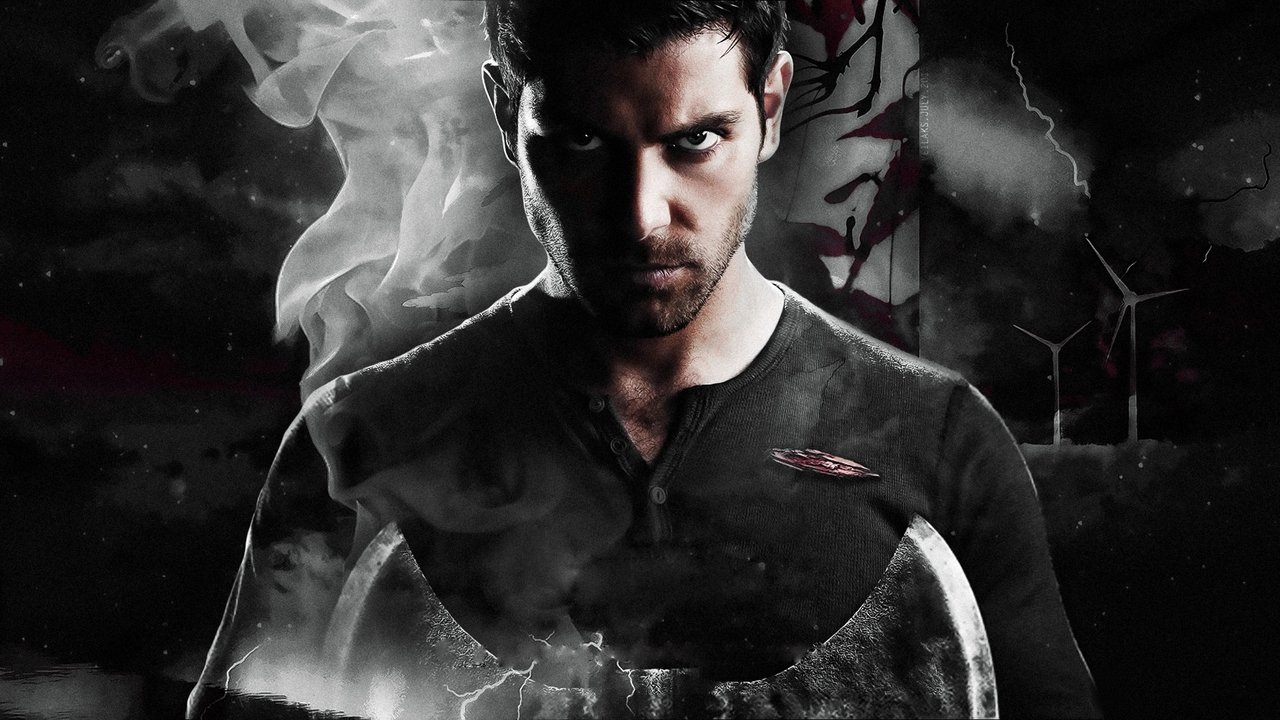
The Ending, Explained
When viewers ask for the Grimm ending explained, they are usually curious about how Nick Burkhardt’s two identities find resolution. The series follows a Portland homicide detective who learns he belongs to a line of criminal profilers called Grimms. His police work and his supernatural duties often pull him in opposite directions. Without spoiling the early episodes, we can say the final act brings that clash to a head. The conclusion honors the show’s tagline “Mortal. Danger.” by showing that human and creature lives are deeply connected. Nick’s journey as a police detective never truly ends, but the finale gives his role as a Grimm a new sense of purpose. Ultimately, the Grimm ending proves that mortal and creature worlds must coexist under one watchful eye.
The world of Grimm mixes drama, mystery, and sci-fi fantasy. With a rating of 8.3 out of 10 from over three thousand votes, it clearly resonated with audiences. The blend of fairy tale creatures and modern police work creates a neo-noir atmosphere. That tone helps the ending feel earned rather than sudden. Throughout the show, the homicide detective faces cases that appear ordinary until a supernatural layer surfaces. By the time the last chapter arrives, the audience understands the rules of this hidden society. The ending does not rely on twist revelations; it relies on emotional payoff built over many episodes.
This breakdown walks through the final act without revealing the first act’s discovery moment. We focus on the significance of the closure. Themes of duty, identity, and protection sit at the center. The rating and genre mix show that the creative team balanced procedural crime with mythic storytelling. That balance is why the conclusion satisfies both casual viewers and dedicated fans of the fairy tale format.
What Happens
Many fans debate what happens at the end of Grimm, especially regarding the fate of the detective’s responsibilities. Throughout the run, Nick balances solving murders with fighting supernatural threats. The last stretch of the story forces him to rely on both skill sets at once. He is not just a homicide detective; he is a guardian against dark forces hiding in plain sight. The finale does not discard the police side of his life. Instead, it shows how his badge and his heritage can coexist. We see the main cast, including David Giuntoli, Silas Weir Mitchell, Russell Hornsby, Sasha Roiz, Reggie Lee, Bree Turner, Claire Coffee, and Elizabeth Tulloch, each facing the consequences of the mythic world they inhabit.
To understand the events, it helps to recall that Grimm explained its rules through everyday police cases. Each investigation reveals another layer of the creature community. By the final chapter, those layers have built a complete society. The ending does not introduce a brand-new system; it pays off the one already established. The detective’s notebook becomes as important as any ancient tome. Nick’s colleagues in the police department remain vital to the resolution, proving that teamwork bridges the mortal and the magical.
The final act also underscores the neo-noir aesthetic. Rain-slick streets of Portland frame confrontations with beings from legend. The camera work and moody lighting reinforce that this is a police story first, a fantasy second. What happens at the end is less about a single battle and more about the integration of two halves of one man’s life. The supporting characters get moments that echo their own arcs within the ensemble.
The Meaning Behind the Ending
The Grimm ending meaning becomes clear once you accept that being a homicide detective and a Grimm are not separate callings. Nick’s transformation from a man unaware of monsters to a profiler of both human and creature crime speaks to identity. The finale suggests that mortality and danger are two sides of the same coin. His human fragility is what makes his supernatural fight meaningful. The show’s themes of detective work, fairy tale lore, and police duty converge. In that sense, the ending is less about victory over an enemy and more about acceptance of a dual legacy.
This acceptance mirrors the neo-noir style. A cynical detective story usually ends with blurred morals, but Grimm keeps a moral core. The ending meaning rests on protection of the innocent, whether they walk on two legs or have claws. The tagline “Mortal. Danger.” is not a warning alone; it is a statement of partnership. A mortal who understands danger can defend against it. The final scenes hint that the cycle of Grimms continues, but with a healthier perspective than before.
Another layer of meaning lies in the fairy tale framework. Classic stories often punish those who step outside human boundaries. Here, the ending rewards the bridge between worlds. That subversion is quiet but powerful. It tells the audience that inherited destiny need not be a burden if faced with compassion and law enforcement rigor.
Themes You Might Have Missed
Beyond the obvious supernatural creature battles, the series quietly explores the burden of knowledge. A police detective who sees the truth behind smiling faces carries a special loneliness. The fairy tale framing is not just decoration; it comments on how societies label outsiders. Themes of loyalty, inherited duty, and the cost of violence run through every season. Another subtle thread is the neo-noir contrast between bright Portland streets and dark mythical corners. The show also questions what makes a monster: the creature or the intent.
The detective genre elements are often overshadowed by the fantasy, yet they provide the spine. Nick’s training as a homicide detective gives him methods to track any foe. The fairy tale creatures respect routine police logic because it exposes their patterns. This blend of science and myth is a theme worth revisiting after the finale. The ending validates that neither side is superior.
If you enjoy police procedurals with a fantastical edge, you might also like Powers, which blends crime and superhuman elements in a similar urban setting. That show also examines the line between badge and extraordinary ability.
How Good Is Grimm, Really?
With a solid 8.3 rating, Grimm earns its place among genre hybrids. It never pretends to be high literature, but it delivers consistent tension. The casting brings warmth to a sometimes grim premise. David Giuntoli anchors the show as Nick, while Silas Weir Mitchell and the rest provide strong support. The balance of procedural filler and overarching myth arc keeps casual viewers and binge-watchers satisfied. For a free streaming blog audience, it’s a recommended pick when you want something that mixes detective logic with fairy tale strangeness.
The show’s strength is its willingness to let the police detective work breathe. Not every episode needs a massive creature reveal. Some of the best moments are quiet conversations in precinct halls. The neo-noir tone could have become oppressive, but the fairy tale hope lightens it. Critics of the ending sometimes want more spectacle, yet the meaningful closure is more valuable than fireworks. The rating reflects that audience appreciation is broad.
For a more grounded take on detectives, The Job offers a gritty look at law enforcement that fans of Grimm’s police side may enjoy. It strips away fantasy to show the raw grind of the beat.
Grimm Essentials
Before you dive into the breakdown, here are the core facts every viewer should know:
- Title: Grimm (2011)
- Genres: Drama, Mystery, Sci-Fi & Fantasy
- Rating: 8.3/10 from 3658 votes
- Tagline: Mortal. Danger.
- Premier concept: A Portland homicide detective discovers he is descended from Grimms, elite profilers of supernatural crime.
- Main cast: David Giuntoli, Silas Weir Mitchell, Russell Hornsby, Sasha Roiz, Reggie Lee, Bree Turner, Claire Coffee, Elizabeth Tulloch
The Grimm ending, as we noted, ties directly to these essentials. The show never forgets that its hero is a police detective first, even when he faces creatures from legend. Similarly, A Confession delivers a serious police narrative that highlights the investigative craft at the heart of such stories. That series proves how compelling a pure detective frame can be.
Whether you came for the fairy tale creatures or the neo-noir mood, the finale leaves a lasting impression. The Grimm ending meaning is ultimately about unity between the mortal and the magical. That is why the series remains a favorite on streaming platforms. Its blend of genres, strong ensemble, and thoughtful close make it a standout choice for a weekend binge.