Great Performances (1971): A Curated Arts Anthology
Great Performances (1971) is an anthology series showcasing comedy, documentary, and drama through diverse performing arts from around the world.
October 25, 2026
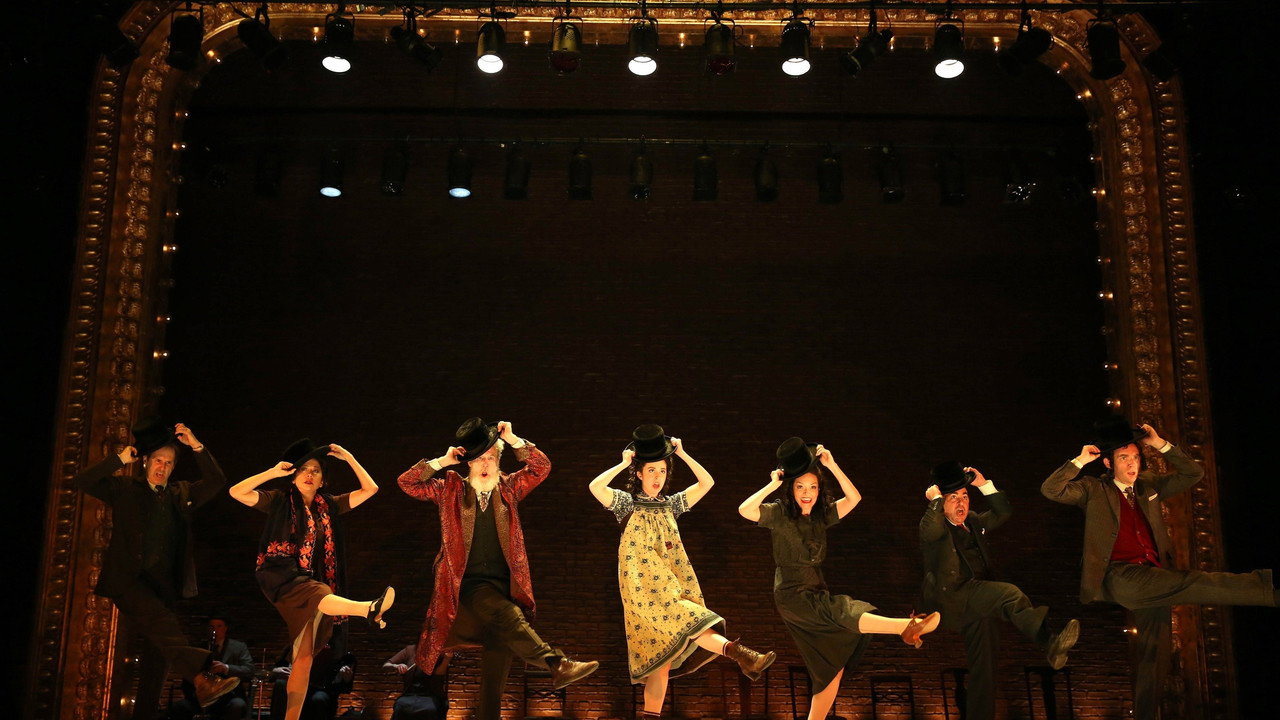
The Ending, Explained
The search term "Great Performances 1971 explained" reflects a desire for clarity about the anthology. This 1971 program gathers the best in performing arts across America and the world, mixing comedy, documentary, and drama into one portfolio. Because it is an anthology, there is no single protagonist whose fate we follow across episodes. Instead, the closing moments of the 1971 iteration function as a curated sign-off, celebrating filmed theater, literary adaptation, and musical showcases. We will not walk through the early entries, but the final stretch emphasizes the range of the program.
The structure itself defies traditional narrative closure. Each installment is based on novel or book, based on play or musical, or is a pure performance documentary. The absence of a continuing story means the ending is thematic. Viewers who arrive at the last broadcast encounter a summation of what the series values: accessibility of high culture, respect for source material, and the joy of live interpretation captured for television. The comedy, documentary, and drama labels blend so that a lighthearted sketch may sit beside a solemn operatic recording.
In practical terms, the ending does not reveal a hidden twist. It presents a final selection of classical music, opera, popular song, musical theater, dance, drama, and performance documentaries. Bray Poor, listed as main cast, provides a thread of continuity that helps the audience accept the transition from one piece to the next. That continuity is the closest thing to a resolving arc.
What Happens
The question "what happens Great Performances 1971 end" appears in forums when discussing the finale. The program presents a final collection of performances that highlight classical music, opera, popular song, musical theater, dance, drama, and performance documentaries. Bray Poor appears as part of the main cast, anchoring the broadcast with a consistent presence amid the rotating artists. Viewers see the last staged piece give way to a quiet acknowledgment of the diverse programming that defined the run.
No single plot resolves because each installment stands alone, yet the schedule itself reaches a natural pause. The final episode may include a literary adaptation of a novel or a filmed version of a stage play. The documentary segments record rehearsals or interviews, giving context to the enacted works. By the time the closing credits appear, the audience has experienced a miniature festival of global art.
We avoid detailing the first act of any particular entry, as the angle of this piece is to focus on closure. Still, it is useful to note that the production does not rely on a director credited for the whole, given the anthology nature. Each contributing artist handles their own segment, and the overall rating of 6.1/10 from 25 votes suggests a niche but appreciated effort.
The Meaning Behind the Ending
Understanding "Great Performances 1971 ending meaning" requires looking at the anthology structure. The significance lies in the format: by closing with a blend of based on play or musical and based on novel or book pieces, the series reinforces its role as a gateway to high culture on television. The final act is less about concluding a story and more about affirming that filmed theater and literary adaptation belong in living rooms.
This choice suggests that performance documentaries can be as engaging as scripted comedy or drama. The ending meaning also touches on the democratic idea of art: by presenting popular song alongside opera, the program refuses to rank genres. It implies that a diverse programming portfolio is itself a statement. Themes of inclusion and educational outreach are palpable even without a written manifesto.
When the screen fades, the takeaway is that the performing arts are not locked in elite venues. The 1971 run used the then-modern medium of broadcast to dissolve barriers. That is the quiet message carried by the final arrangement of dance, song, and spoken word.
Themes You Might Have Missed
The concept "Great Performances 1971 final scene" is explored later when we note recurring motifs. The final scene often pairs a musical theater number with a documentary interlude, showing how comedy and drama interlace. Themes of artistic accessibility, anthology variety, and literary roots surface subtly.
Another overlooked thread is the frequency of literary adaptation. Many segments are based on novel or book, reminding us that television can serve literature. The filmed theater keyword indicates that stagecraft was preserved rather than reinvented for cameras. This respect for source material is a quiet achievement.
If you enjoy this kind of segmented storytelling, you might also enjoy Fargo, which also uses standalone chapters to explore different facets of a region. The connection is not in content but in structure: each entry feels complete yet contributes to a broader canvas. Likewise, the anthology label means you can sample the series in any order, a freedom that contrasts with binge-watching a serialized drama.
How Good Is Great Performances, Really?
The show carries a rating of 6.1 out of 10 from 25 votes, a modest score that reflects its niche appeal rather than any flaw in execution. For a 1971 broadcast mixing comedy, documentary, and drama, the achievement is providing a diverse programming portfolio that includes classical music, opera, popular song, and dance. The absence of a tagline or a single director does not weaken the identity; it strengthens the anthology concept.
Critics of the format may find the lack of continuous plot frustrating, but that misses the point. The series is a sampler, not a saga. Similar documentary ambitions can be seen in The Vow, a later production that also leans on real stories and careful observation. Great Performances may not thrill those seeking a continuous narrative, but it rewards viewers who value variety and the performing arts.
Given the main cast listing of Bray Poor and the genre blend, the program functions as a time capsule. It shows what American and world stages offered during that era, filtered through the lens of public television. The 25 votes on record are few, yet they preserve a signal that the work resonated with its audience.
Great Performances Key Details
Our "Great Performances 1971 ending explained" section summarizes the closure built on anthology principles, with main cast member Bray Poor and a tagline-free presentation focused on the works themselves. Keywords such as based on novel or book, based on play or musical, literary adaptation, and filmed theater define its identity. The runtime for individual entries varies, and the director credit is not assigned because each piece has its own creative lead.
The plot summary tells us the goal: the best in the performing arts from across America and around the world including a diverse programming portfolio of classical music, opera, popular song, musical theater, dance, drama, and performance documentaries. That mission is the spine of the ending as well as the beginning. The final act simply fulfills the promise made in the opener.
For those who like sweeping literary sagas, Kane & Abel offers a multi-threaded narrative that contrasts with the episodic nature of this program. Ultimately, the 1971 edition stands as a snapshot of global performing arts, inviting audiences to explore culture without leaving home. The combination of comedy, documentary, and drama within one anthology remains a useful model for arts broadcasting.