Gotham (2014): Gordon's Rise in a Corrupt City
Gotham (2014) explores Commissioner Gordon's early career and the origins of Gotham City's most famous villains.
October 24, 2026
The Ending, Explained
The television series Gotham takes the familiar name of Commissioner Gordon and rewinds the clock to his early days in a city drowning in corruption. As a drama with crime and sci-fi fantasy elements, it is fundamentally an origin story based on comic lore. The tagline reminds us that before Batman, there was Gotham. To respect your experience, we will not disclose the events of the first act. A concise Gotham explained post can help newcomers grasp that the show tracks Gordon's climb from a rookie detective toward the police commissioner's chair.
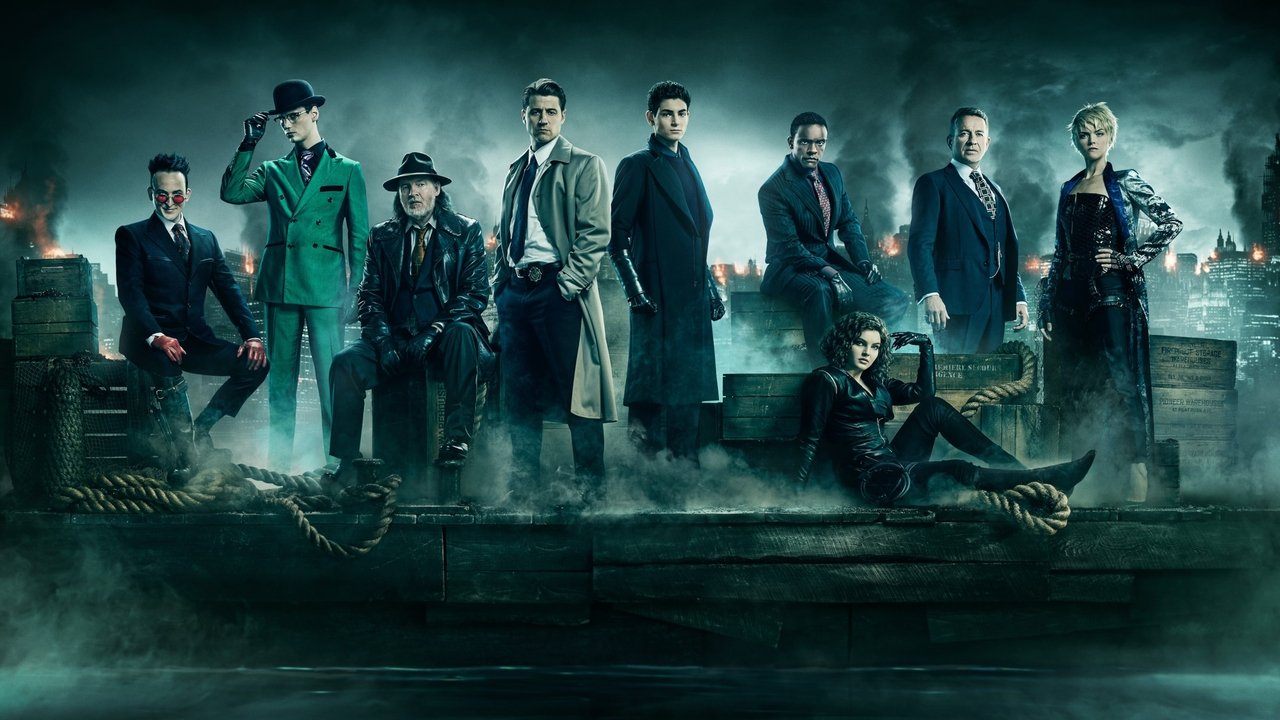
We also published a Gotham ending explained breakdown that zeroes in on the final episodes. That piece avoids early spoilers and instead looks at how the narrative resolves the multiple layers of dishonesty inside the city government. The main cast, including Ben McKenzie, Donal Logue, David Mazouz, Sean Pertwee, Robin Lord Taylor, Erin Richards, Camren Bicondova, and Cory Michael Smith, carry this long transformation with steady tension.
While the show never literally shows the caped crusader, it plants the seeds for the world's most iconic villains. The final stretch of the program pays off the slow burn of corruption and costumed menace. If you enjoy this brand of metropolitan decay, you might also appreciate Helstrom, which leans into a darker supernatural corner of the insane asylum motif.
What Happens
Without revealing the opening chapters, we can say that the conclusion focuses on the culmination of Gordon's career. Curious fans ask what happens at the end of Gotham, and the answer lies in Gordon's promotion to a role where he can finally enforce law and order against the entrenched crooked powers. The last act does not invent new statuses for the emerging rogues; instead, it cements the larger-than-life personas who will become Catwoman, The Penguin, The Riddler, Two-Face, and The Joker.
The spawning ground of these super villains is shown as a city that needed a steadfast foe of crime. Gordon's reputation becomes synonymous with justice, and the final sequences mirror the tagline's promise. For viewers who like grounded crime fighters in a similar vein, Marvel's Daredevil delivers a comparable street-level struggle against systemic evil.
We should note that the show's genres blend procedural drama with comic book fantasy. The runtime may vary by episode, but the overall arc is a patient study of how a hero is forged. The absence of a traditional superhero in the lead chair makes the ending feel like a foundational myth rather than a closed case.
The Meaning Behind the Ending
The Gotham ending meaning is rooted in the theme of order emerging from chaos. Gordon's rise signals that one honest man can navigate the murky waters of Gotham City without losing his moral compass. The closing moments carry the weight of an insane asylum's instability and the glare of super power tensions, yet they affirm that the commissioner's badge matters more than any single villain's scheme.
This significance is why the series resonates with audiences who crave origin stories. The final act is less about defeating a single foe and more about setting the stage for the larger DC mythos. If you want another take on inherited legacies and costumed conflict, Titans follows a younger generation carrying similar burdens in a connected universe.
By refusing to spoil the first act, we let the ending speak for itself. The meaning is found in the quiet establishment of roles: the policeman, the cat burglar, the bird-themed crime lord, the puzzle maker, the divided face, and the clown prince. Each is an origin story wrapped inside Gordon's own.
Themes You Might Have Missed
Several motifs run beneath the surface. The insane asylum appears as a rotating door for the city's broken minds, hinting that super villainy often starts with institutional failure. A based on comic framework lets the show play with super power ideas without granting Gordon anything beyond his wits and a badge.
Our Gotham final scene recap column covers the finale in a way that highlights these subtle threads. The recap notes how the camera lingers on empty cells and rain-slick streets, reinforcing that Gotham is a character itself. Themes of corruption, mentorship, and the cost of integrity weave through every subplot involving the main cast.
Another missed cue is the use of sci-fi and fantasy elements to elevate ordinary crime. The show never forgets it is an origin story, so even the most outlandish persona begins with a human wound. That balance keeps the rating of 7.597/10 from 3824 votes feeling earned rather than inflated.
Our Rating for Gotham
Based on the aggregated score of 7.597 out of 10 across 3824 votes, the series holds a solid position among comic-inspired dramas. The number reflects a audience that valued the slow build of Gordon's reputation and the careful cultivation of future supervillains. While we cannot invent box office figures, the vote count shows a committed viewership.
The performances from Ben McKenzie as the steadfast detective and Donal Logue as his ally give the procedural heart. David Mazouz, Sean Pertwee, Robin Lord Taylor, Erin Richards, Camren Bicondova, and Cory Michael Smith each add layers to the sprawling ensemble. The tagline "Before Batman, there was Gotham" is not just marketing; it is the thesis of the entire run.
We rate the experience as a worthy watch for anyone interested in how a commissioner became legend. The final act satisfies because it honors the promise of the premise without resorting to cheap twists. It is a rare show that can be both a crime procedural and a super villain nursery.
Gotham FAQ
Here are quick answers to common questions about the series.
- Is Gotham based on a comic? Yes, it is a based on comic production that explores the early days of familiar DC characters.
- What is the central origin story? The plot follows Gordon's rise from rookie detective to Police Commissioner while showing how iconic villains originated.
- Does the show feature super powers? It includes sci-fi and fantasy genres, with super power hints but focuses on human origins.
- Who are the main villains introduced? The larger-than-life personas become Catwoman, The Penguin, The Riddler, Two-Face, and The Joker.
- What is the tagline? "Before Batman, there was Gotham."
The ending we discussed above should now make sense in context. The Gotham explained approach helps, but the best teacher is the show itself. Remember that the Gotham ending meaning and the final scene recap both point to a city forever changed by one honest man's stand.