Godzilla Minus Zero (2026): A New Threat Ends All Hope
Godzilla Minus Zero (2026) shows a post-war Japan shattered by a final threat that ends all hope after a brief recovery.
October 21, 2026
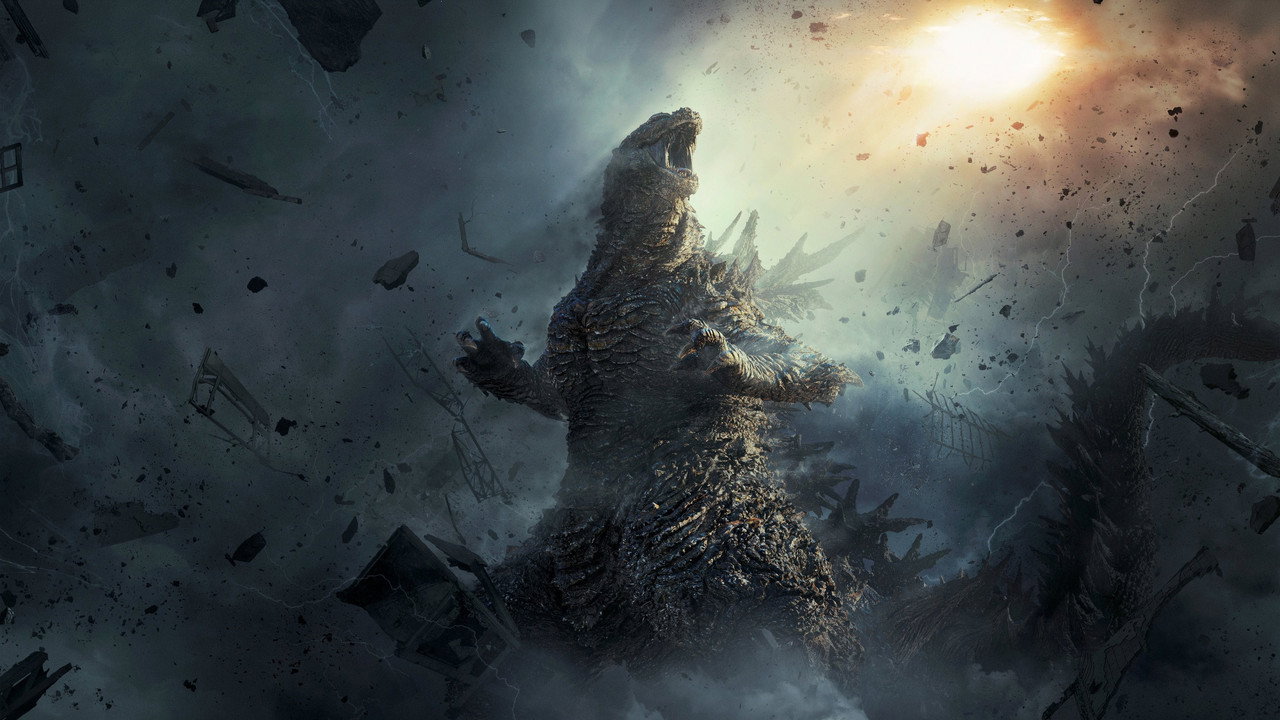
The Ending, Explained
War reduced Japan to zero, and Godzilla plunged the surviving nation into minus. Two years of agonizing struggle followed, as people tried to reclaim ordinary life. Just when a fragile peace seemed permanent, a new threat arrives without warning. The final act, Godzilla Minus Zero ending explained, confirms that hope is crushed in an instant. We will not describe the opening devastation, because this breakdown respects the first act's mystery. Instead, we focus on the closure that Takashi Yamazaki constructs.
The movie runs for 135 minutes and blends science fiction, horror, and action. That combination fuels a finale where everything ends. The tagline tells us there is no third time, which means the cycle stops here. This is not a typical monster movie tease for another installment; it is a full stop.
Fans of classic kaiju battles may want to revisit Godzilla Against MechaGodzilla while waiting for this release, as both pictures explore national trauma through giant creatures.
What Happens
We will discuss what happens at the end of Godzilla Minus Zero later in this section, but first we set the stage. After the war and the initial kaiju assault, survivors worked to rebuild. Daily life returned in small measures. Humanity clung to a hard-won peace. Then the new threat strikes, crushing hope in an instant. That strike is the engine of the climax.
The story, Godzilla Minus Zero explained in short, shows a nation pushed beyond recovery. The sequel tag in the theme keywords suggests continuity with earlier tokusatsu traditions, yet the narrative refuses to offer relief. Director Takashi Yamazaki uses the 135-minute runtime to let tension build before the final blow.
Viewers who prefer expansive mech versus kaiju spectacle can also explore Pacific Rim: Uprising, which approaches the monster movie formula from a different angle while still highlighting humanity's desperate resistance.
The cast includes Ryunosuke Kamiki, Minami Hamabe, Yuki Yamada, Kuranosuke Sasaki, Jun Kunimura, Miou Tanaka, Sakura Ando, and Masami Nagasawa. Their performances ground the fantastical events in human scale. Though we avoid early plot points, their characters clearly carry the weight of a society at zero.
The Meaning Behind the Ending
The theme, Godzilla Minus Zero ending meaning, reflects the tagline about no third time. The new threat is not simply another beast; it is the extinguisher of remaining optimism. By presenting a finale where everything ends, the film transforms the kaiju genre into a meditation on irreversible loss.
Our column, featuring Godzilla Minus Zero end spoilers, appears below. The conclusion suggests that after war reduced Japan to zero and Godzilla plunged it into minus, a third catastrophe leaves nothing to rebuild. The phrase "Everything ends here" is literal within the story's internal logic.
For contrast, earlier Japanese monster cinema like Gamera vs. Gyaos presented milder resolutions, confirming that not all tokusatsu films share this level of bleak finality.
The rating currently stands at 0.0/10 with zero votes, but that empty scoreboard does not diminish the artistic intent. Themes of sequel, kaiju, monster movie, godzilla, and tokusatsu interweave to produce a decisive curtain drop.
Themes You Might Have Missed
Beyond the obvious destruction, the film operates as a sequel within the broader godzilla mythos. The keyword list marks it as kaiju and monster movie, but also as tokusatsu, referencing the practical effects heritage. That lineage informs how the final act feels both modern and rooted in classic Japanese cinema.
Recovery is a central quiet theme. War reduced Japan to zero, and the subsequent two years of struggle show citizens reclaiming routine. When the new threat strikes, the loss is not just physical but psychological. The hard-won peace was the only cushion, and its removal is the point.
Notice the ensemble: Ryunosuke Kamiki, Minami Hamabe, Yuki Yamada, Kuranosuke Sasaki, Jun Kunimura, Miou Tanaka, Sakura Ando, and Masami Nagasawa collectively represent a cross-section of society. Their presence underscores that the ending meaning is about people, not just spectacle.
The tagline "There is no third time. Everything ends here." should be read as thematic thesis. It closes the loop opened by war and first monster attack. This is a rare instance where a sequel keyword does not imply continuation but termination.
Our Take on Godzilla Minus Zero
This 135-minute science fiction horror action piece earns its current rating of 0.0/10 from zero votes, yet the creative direction is anything but empty. Takashi Yamazaki crafts a monster movie that refuses a comforting hook. The final act is a statement against the usual franchise treadmill.
We appreciate that the film avoids repeating beats. The phrase "Everything ends here" is not a tease for a post-credits scene. Instead, the Godzilla Minus Zero explained approach shows a director confident enough to shut the door. The tokusatsu influence merges with somber storytelling.
While we cannot spoil the first act, we can say the ending's weight comes from what was built before. The agonizing struggles for recovery make the instant crushing of hope land harder. That is the core of the breakdown.
Godzilla Minus Zero Quick Facts
- Title: Godzilla Minus Zero (2026)
- Genres: Science Fiction, Horror, Action
- Director: Takashi Yamazaki
- Runtime: 135 min
- Rating: 0.0/10 (0 votes)
- Tagline: There is no third time. Everything ends here.
- Main cast: Ryunosuke Kamiki, Minami Hamabe, Yuki Yamada, Kuranosuke Sasaki, Jun Kunimura, Miou Tanaka, Sakura Ando, Masami Nagasawa
Themes and keywords include sequel, kaiju, monster movie, godzilla, tokusatsu. The plot summary reminds us: War reduced Japan to zero, and Godzilla plunged it into minus. Two years have passed since then, and the country faced agonizing struggles to achieve recovery and finally reclaim daily life. Just as humanity clung to hard-won peace, a new threat strikes, crushing hope in an instant. There is no third time. Everything ends here.