Girlfriends (2000): How Friendship Endures Dating and Divorce
Girlfriends (2000) follows four black women supporting each other through dating, divorce and family life.
October 22, 2026
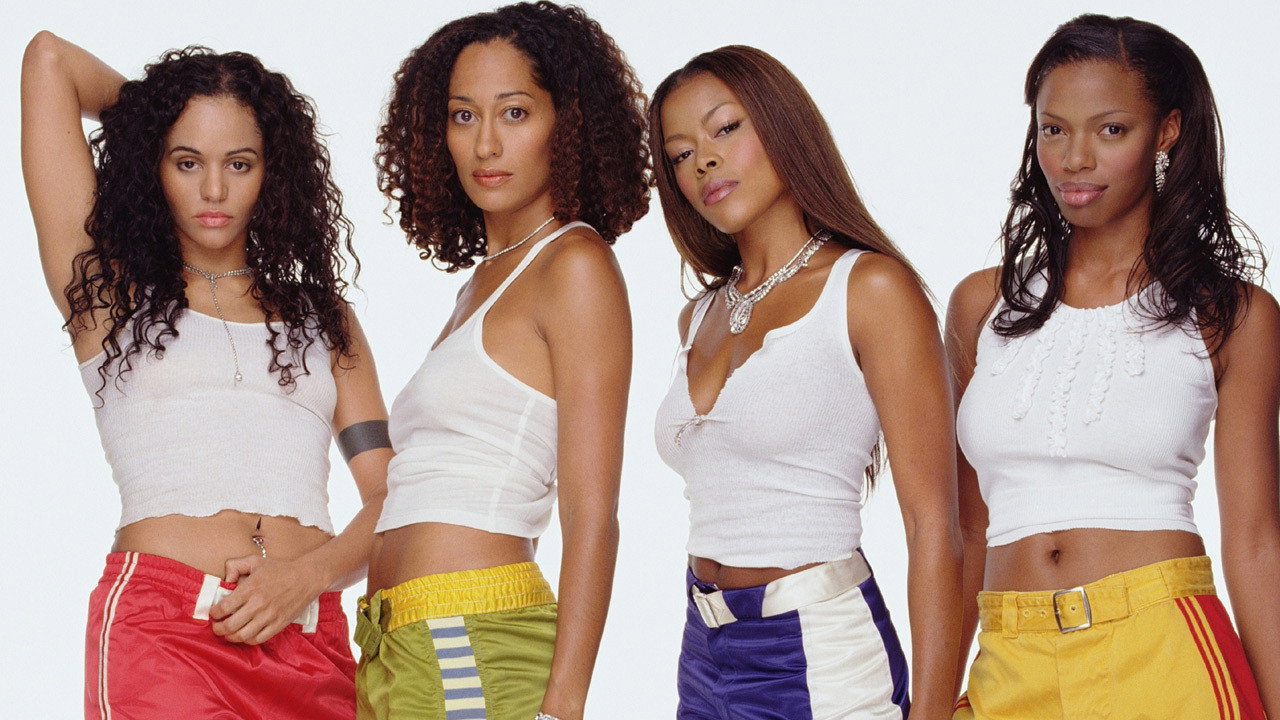
The Ending, Explained
When a show runs long enough to become a comfort watch, audiences naturally grow curious about how it all closes. That curiosity is why our piece, centered on Girlfriends ending explained, avoids walking through the early episodes. The series, which premiered in 2000, builds its identity around a tight circle of black women living in Los Angeles. As a drama and comedy hybrid, it uses the sitcom frame to explore real stakes. Rather than shocking its audience with a finale that throws away established character paths, the final stretch reinforces what the format always championed: friends showing up for one another when life gets uneven. We will not spoil the first act here, because the early dating mishaps and first introductions are better experienced fresh. Instead, this breakdown focuses on the closure and the emotional payoff that arrives once Joan, Maya, Lynn, and Toni have weathered enough tests to prove their bond is not just a premise but a practice. The show respects the intelligence of its audience by treating the ending as a continuation of care.
The rating of 7.3 out of 10 from forty eight votes suggests a cult appreciation rather than mainstream ubiquity, and that niche love often comes from exactly this kind of ending. The show respects its viewers by letting the women remain distinct. Joan, Maya, Lynn, and Toni come from differing backgrounds, yet the last act refuses to flatten those differences. It simply shows them still in each other’s lives. For those who want more ensembles built around black women in California, a natural companion watch is Moesha, which also plants its stories in Los Angeles and centers young women’s perspectives. Both programs understand that setting is character.
What Happens
The final episodes, illustrating what happens at the end of Girlfriends, show the friends supporting each other despite differing backgrounds. The sitcom mixes drama and comedy while tracking four friends through dating, divorce, family pressure, and the ordinary rhythm of relationships. By that point, the characters have each faced personal crossroads. Some contend with romantic endings, others with shifts in family structure, but the constant is the group’s mutual support. The narrative does not abandon its sitcom skeleton; it uses the format to land quiet emotional beats. No character is written off or exiled from the circle. That continuity is the event viewers are really asking about when they wonder how the story lands. The pledge of loyalty survives every plot turn.
Tracee Ellis Ross, Golden Brooks, Persia White, Reggie Hayes, and Khalil Kain form the core cast who carry these later scenes. Their performances keep the tone balanced between lighter comedic timing and the weight of life changes. If you enjoy relationship focused stories that still feel modern, you might also stream Friends with Benefits, a 2011 film that plays with similar ideas about connection without the long arc of a series. The contrast can help clarify what makes the television ensemble special.
The Meaning Behind the Ending
The closure, defining Girlfriends ending meaning, insists that Joan, Maya, Lynn, and Toni matter most when they are together. This is a show about female friendship as a surviving institution. In a television landscape where women of color are often sidelined or reduced to tropes, the finale refuses to hide its message in a secret reveal. It lives in the decision to let friendship be the resolution. Los Angeles, California serves as more than a backdrop—it is the space where these differing backgrounds collide and reconcile. The ending suggests that chosen family can outlast romantic failure or career upheaval. That message lands because the series never pretended life was simple.
Themes You Might Have Missed
The sitcom, with Girlfriends explained through its quieter layers, rewards close viewing of the setting. Los Angeles is a city of reinvention, and each lead gets to reinvent herself while staying tethered to the others. The sitcom tag in the themes reminds us that humor is the delivery system for harder truths about divorce and dating. Female friendship is listed plainly, but the show complicates it by giving the women unlike upbringings and viewpoints. That tension is the engine. Reggie Hayes and Khalil Kain round out a cast that keeps the social circle believable rather than idealized. The California sun hides as many pressures as it reveals.
For a tonal shift, Only Fools and Horses presents a British sitcom model where friendship and family are sourced from a different class context, yet the reliance on recurring bonds echoes the same human need. Watching the two side by side highlights how Girlfriends uses California sunlight to tell a story that other comedies might set in a pub. The comparison shows that the theme of loyalty transcends geography.
Girlfriends: Our Final Verdict
The 7.3 rating from a small voter pool may not scream blockbuster, but it signals a show that earned loyalty. As a drama-comedy sitcom, Girlfriends offers a rare portrait of black women navigating life’s tests with autonomy and mutual care. The final act honors that premise. We recommend it to viewers who value character over spectacle and who want a ending that feels earned rather than engineered. The blend of dating, divorce, and family material stays accessible because the writing trusts the ensemble. Few shows of its era gave this much room to female friendship without apology.
Girlfriends Highlights
The scenes of breakup support, counted as Girlfriends best moments, feature the four friends processing change without abandoning their distinct voices. The strength of the series is in those pauses where comedy gives way to recognition. The following points draw directly from the show’s established facts and help explain its staying power:
- The ensemble dynamic of Joan, Maya, Lynn, and Toni across differing backgrounds.
- The Los Angeles, California setting used as a living part of the story.
- The sitcom balance of laugh lines and real talk about divorce and dating.
- The cast led by Tracee Ellis Ross and Golden Brooks bringing texture to the final act.
Taken together, these elements explain why the closure resonates. The show never pretends that life stops being messy, but it does insist that friendship makes the mess survivable. That is the quiet victory of the finale, and it is why the series remains a reference point for character driven comedy drama about black women in California. The ending, properly understood, is not a conclusion but a confirmation.