Ghost Soldier (2026): The Hero He Buried
Ghost Soldier (2026) ending explained: what Fitz's final choice means, the themes behind his one-man war, and our verdict on the thriller.
November 12, 2026
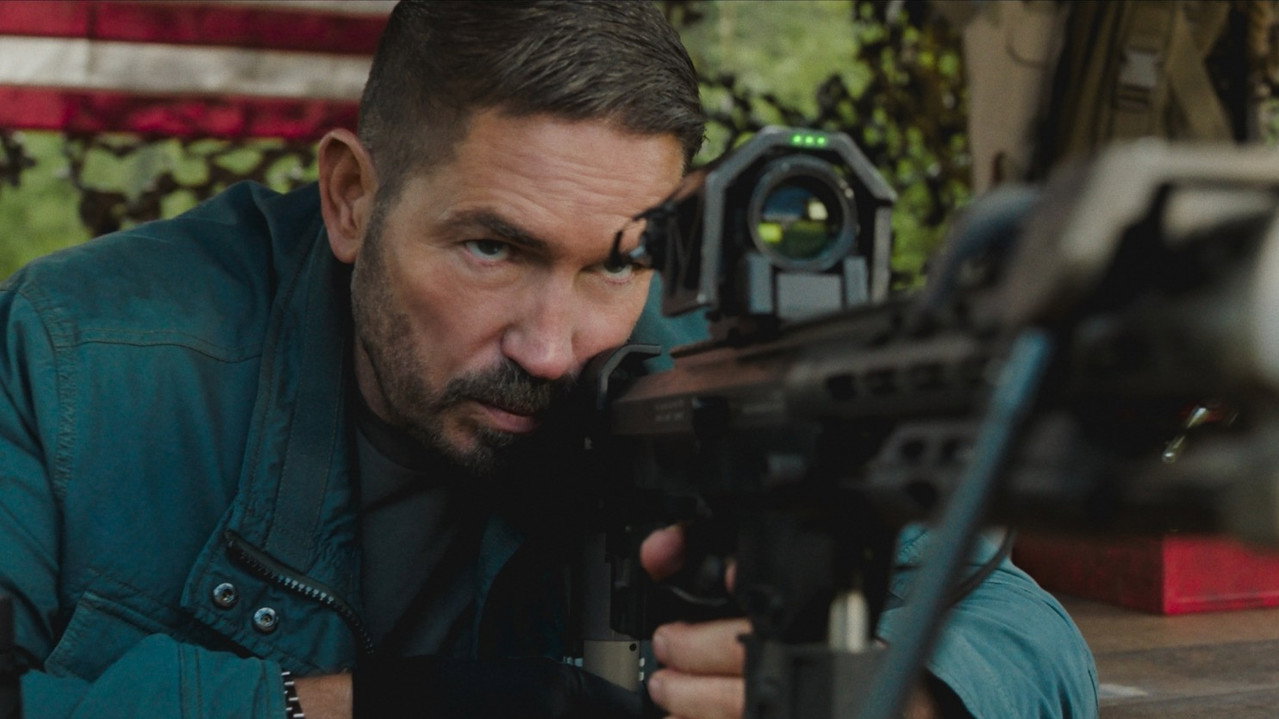
The Ending, Explained
Not every action thriller wants to leave you scratching your head, and this one keeps its resolution fairly clean while still giving viewers something to chew on afterward. The Ghost Soldier ending explained in plain terms is really about a man deciding, once and for all, which version of himself he is going to be. Fitz spends the entire film trying to bury the soldier he used to be, and the closing stretch forces him to accept that the skills he walked away from are the only thing standing between his neighbors and a corporation that views their land as a line item.
What makes the finale land is that it doesn't treat the violence as a victory lap. Fitz doesn't walk away grinning. The final confrontation with the corporate enforcers is ugly, improvised, and costly, and the movie lets that weight sit rather than rushing to credits. For a 90-minute film, that restraint says a lot about what the filmmakers were after.
What Happens
To understand the closing act, it helps to remember what's at stake. Fitz has lived off the grid for years, keeping his head down and his past locked away. When a foreign corporation arrives in his hometown to grab up his neighbors' property, the quiet life collapses. The company uses the usual tools of pressure — legal threats, hired muscle, intimidation — and Fitz realizes that staying hidden means letting people he cares about lose everything.
So he stops hiding. The reveal that he's a former Special Forces operator and an advanced weapons developer is the hinge the whole story turns on, and the back half of the film is essentially Fitz using experimental tech and hard-won combat instincts to dismantle the operation piece by piece. The villains never anticipated a single determined man with a code, which is exactly the kind of blind spot that one-man-army stories thrive on.
If you want a comparison point from the same general neighborhood of paranoid action cinema, Blacklight also builds its tension around a covert operator dragging buried truths into the open, and it pairs nicely with this film's suspicion of institutional power.
The Meaning Behind the Ending
The Ghost Soldier ending meaning doesn't hinge on a twist, and that's deliberate. The movie isn't asking whether Fitz will win — it's asking what winning costs him. Throughout the film he insists he's left the soldier behind, but the ending makes clear that the soldier never left. What changes is his relationship to that part of himself: instead of treating it as a curse to suppress, he treats it as a responsibility to direct. The tagline, "Heaven sent. Hell to pay," captures this tension well, suggesting a mission that's righteous on paper but demands a brutal toll in practice.
When people ask what happens at the end of Ghost Soldier, the honest answer is less about a specific plot beat and more about a decision. Fitz chooses to be visible again. He stops running from his history and accepts that the same skills that once made him dangerous can also make him useful to the people around him. It's a small, quiet resolution for a loud movie, and it works because the film has spent its whole runtime earning that moment.
For viewers who enjoy that theme of a past that refuses to stay buried, Cypher is an interesting companion piece — a film where identity itself becomes the battlefield.
Themes You Might Have Missed
Beneath the gunfire and gadgetry, the movie has a surprisingly pointed economic streak. The villain isn't a shadowy international cartel or a terrorist cell; it's a corporation using real estate pressure and extortion to squeeze ordinary people off their land. That choice matters. The film is squarely anti-corporate, and it frames the takeover as a kind of quiet violence that happens to people who don't have advanced weapons or combat training to fight back. Fitz becomes the answer to that asymmetry.
- The cost of solitude: Fitz's years off the grid kept him safe but also isolated him. The story suggests that disappearing from the world isn't the same as being free of it.
- Technology as a mirror: His background in research and development means the weapons he deploys are extensions of his own mind. The film treats them as morally neutral tools whose meaning depends on who's holding them.
- Community versus capital: Neighbors who can't defend themselves rely on someone who can. The movie treats that reliance as fragile and worth protecting.
- The code: Fitz's unwavering sense of justice isn't presented as naive. It's presented as the one thing that separates him from the mercenaries he fights.
The Ghost Soldier final scene leans into this theme directly, pairing a hard-won stillness with the sense that Fitz has finally found a purpose he doesn't have to hide from. It's not a grand heroic tableau — it's something smaller and more human.
Ghost Soldier: What We Thought
At 90 minutes, the film moves with purpose. Director William Eubank keeps the pace tight, and Jim Caviezel anchors the lead role with the kind of weathered stillness that makes a reluctant hero believable. Olivia Thirlby, Beau Knapp, Garret Dillahunt, Shea Whigham, Alexej Manvelov, Ricky Whittle, and Olivia Chenery round out a cast that gives the small-town setting real texture.
The action is efficient rather than extravagant, and the experimental-weapons angle gives the fight scenes a distinct flavor without tipping into science fiction. It's an early score with only seven votes behind the 9.0/10 rating, so the number should be read as enthusiasm rather than consensus — but the enthusiasm is understandable. If you like lean thrillers about capable people dismantling corrupt operations, Push is another title worth queuing up for its similarly powered-up, conspiracy-adjacent energy.
Where the film is most interesting is in what it doesn't do. It doesn't spend twenty minutes on a training montage. It doesn't over-explain DARPA-style weapons programs. It trusts the audience to fill gaps, and that trust makes the story feel bigger than its runtime.
Ghost Soldier FAQ
Do I need to worry about spoilers going in?
Not much. The film telegraphs its arc early, and the ending is more emotional payoff than surprise reveal. The Ghost Soldier explained breakdown above avoids the opening act for that reason.
Is there a hidden twist at the finish?
No. The Ghost Soldier ending meaning is thematic rather than mechanical — it's about identity and responsibility, not a last-second swerve.
What should I watch next if I liked it?
The three films linked above — Blacklight, Cypher, and Push — all share its interest in hidden operators and buried pasts. Any of them makes for a natural follow-up.