Garth Marenghi's Darkplace (2004): Romford's Portal to Darkness
Dr. Rick Dagless must close the Hellmouth beneath Darkplace Hospital while juggling admin in this lost Romford horror masterpiece.
November 5, 2026
The Ending, Explained
When fans look up Garth Marenghi's Darkplace ending explained, they usually want clarity on how the Hellmouth conflict resolves without losing the joke. This lost masterpiece from the best-selling master of darkness presents a final act that refuses to play by normal television rules. Set in downtown Romford, the story follows Dr. Rick Dagless M.D., a kiddy doctor, Vietnam veteran and ex-warlock, who carries the weight of closing a portal to the forces of Darkness. Without spoiling the early episodes, it is fair to say that the conclusion leans fully into the absurd. The show, rated a strong 7.95 out of 10 from 199 votes on our streaming archive, never forgets that it is a parody first and a horror spoof second. The humour stems from the collision of ordinary hospital administration and supernatural threat.
The programme was produced during the 1980s yet only reached a broader audience in 2004 accompanied by new interviews with the people involved. That delayed arrival feeds the legend when we examine the closure of the story. Matthew Holness leads the cast as the titular author's creation, surrounded by Matt Berry, Richard Ayoade and Alice Lowe. Their characters form a team that must face the burden of day-to-day admin while evil stirs below. The ending does not offer a tidy moral, but it does reward patience with a finale that encapsulates the entire premise of a hospital sitting atop a gateway to Hell.
What Happens
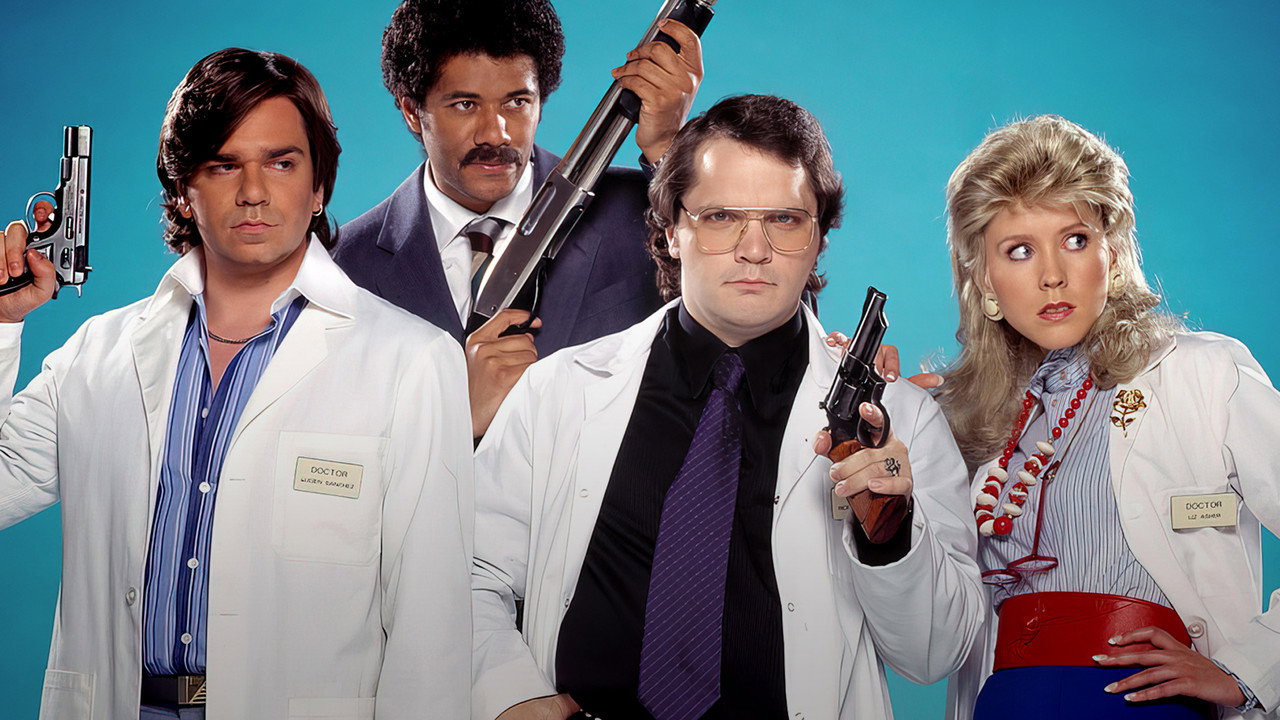
We can summarize that the Garth Marenghi's Darkplace ending events involve a final stand against the Hellmouth beneath Darkplace Hospital. Dagless is joined by best buddy Dr. Lucien Sanchez, fiery boss Thornton Reed, and colleague Liz Asher. Together they fight the forces of Darkness that have emerged from the basement portal. The plot summary tells us that the only man who can close the gate is Dagless, and the climax honours that setup. Importantly, the first act's specifics remain unspoiled here; we focus on the culmination where the team's competence is tested by both paperwork and demons rising from below.
In broader terms, one could say that Garth Marenghi's Darkplace explained is a send-up of every medical horror tale from the 1980s. The series wears its influences on its sleeve while mocking them. The actions in the final chapter mirror the tagline: "FROM THE BEST-SELLING MASTER OF DARKNESS" becomes a joke about authorship as much as terror. The cast's deadpan delivery turns potential frights into comedy gold. As a Sci-Fi & Fantasy entry with Comedy, Mystery, Action & Adventure tags, the show balances genres right up to the last scene.
The Meaning Behind the Ending
Viewers who sit through the last episode will find that the Garth Marenghi's Darkplace ending meaning is a commentary on mundane evil. The true horror is not the creatures from below but the indifference of hospital management. By placing ex-warlock doctors in a fluorescent corridor, the show suggests that bureaucratic life is its own kind of darkness. The Hellmouth is a metaphor for the paperwork that never stops, and closing it means accepting that admin will always return. This thematic core is why the finale feels both silly and strangely profound.
The 1980s aesthetic amplifies the message. Synth scores, chunky costumes, and wooden acting are all deliberate choices that recall the era's horror output. They remind us that the decade's fright flicks were ripe for spoofing. The ending meaning therefore sits at the intersection of nostalgia and satire, inviting the audience to laugh at the tropes they once feared. Dark comedy becomes the lens through which the hospital spoof operates.
Themes You Might Have Missed
Many late-night viewers have embraced what is now a Garth Marenghi's Darkplace cult classic because of its unique tone. Under the surface, the programme is a dense parody of dark comedy and hospital dramas. Themes of spoof and horror spoof weave through every scene. The setting—a hospital with a portal to Hell—allows the writers to contrast life-saving duty with supernatural chaos. This is not mere nonsense; it is a calculated mimicry of genre tropes that rewards close attention.
Viewers who appreciate this brand of surreal comedy should also seek out The Mighty Boosh, which shares a similar fearless approach to absurdity. Both shows trust the audience to laugh at weirdness without explanation. Another layer is the 1980s fascination with occult thrillers, which the series gently deflates. Missing these cues can make the ending feel random, but the missed themes are part of the charm and encourage rewatches.
How Good Is Garth Marenghi's Darkplace, Really?
The aggregated rating of 7.95 out of 10 across 199 votes signals a beloved oddity rather than a mainstream hit. Viewers will find that Garth Marenghi's Darkplace explained works best when approached with lowered expectations and open minds. The performances from Holness, Berry, Ayoade and Lowe elevate weak effects into strengths. Each actor commits to the bit, making the hospital spoof land harder than it should. The show's tagline and lost-television framing device add to the fun, proving that a self-aware joke can sustain an entire series.
If you enjoy archival fantastical miniseries, Gormenghast offers a different but equally atmospheric take on bizarre institutions. While not a comedy, it shares the sense of enclosed worlds with strange rules. Darkplace, by contrast, never takes itself seriously, and that is its greatest asset. The combination of mystery and action adventure keeps the pace lively even when the jokes are deliberately flat.
Garth Marenghi's Darkplace Highlights
Among the standout aspects are the fiery hospital boss Thornton Reed and the woman Liz Asher, who ground the madness in recognizable workplace dynamics. The dynamic between Dagless and Sanchez provides the backbone of the action and adventure elements. Sci-fi and fantasy fans will appreciate the practical approach to otherworldly threats. The highlight reel is essentially the final act, where admin meets exorcism and the tagline's promise is fulfilled with a wink.
For those who like older sitcom weirdness, Mork & Mindy provides a gentle contrast to the darkness of Darkplace. Watching both reveals how comedy can stretch from warm alien tales to cold hospital corridors. Ultimately, this 2004 release remains a sharp piece of dark comedy that rewards repeated viewing. The ending, when fully decoded, confirms that the best-selling master of darkness always had the last laugh, and the cult that surrounds the show will likely keep growing.