Futurama (1999): A Sitcom That Blends Satire and Heart
This breakdown of Futurama (1999) explains the ending and reveals the satire and heart that define its final chapters.
October 23, 2026
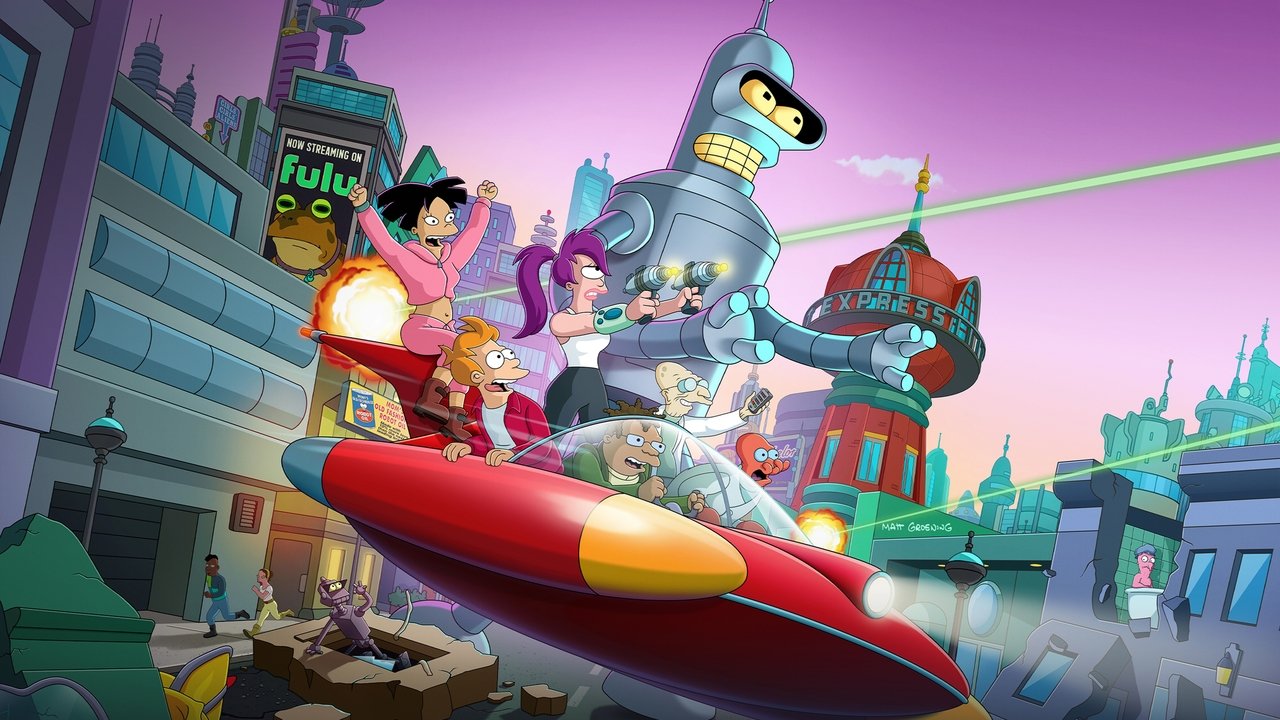
The Ending, Explained
The animated sitcom Futurama explained remains a standout in adult animation, blending slapstick with sharp social satire. While many viewers come to the series for its jokes about space travel and robots, the later chapters reward patience with a surprising emotional core. We will not revisit the early setup that sends a New Yorker into the future; instead, this discussion focuses on the closing movements of the show's run and why they resonate with a broad audience.
Throughout the retro-futuristic era, the crew of an interplanetary delivery company faces absurd threats and quiet sadness. The final stretch of episodes leans into melancholy without abandoning parody. That balance is part of what makes the sign-off feel earned rather than abrupt. The writing never talks down to its audience, using aliens and mad scientists to reflect contemporary anxieties about technology and isolation. Even the rating of 8.363 out of 10 from thousands of voters hints at how broadly the show connects across generations of comedy fans.
When a story spans a thousand years of displacement, the conclusion carries weight. The guide Futurama ending explained below touches on the final mission, but avoids stripping away the mystery that makes the finale satisfying. Instead of a twist, we get character clarity. The pizza delivery boy turned cargo pilot learns to belong among spacecraft and distant worlds, and the ensemble including a robot and a mad scientist each find closure in their own odd ways.
The voice performances from Billy West, Katey Sagal, and John DiMaggio give the last scenes a warmth that pure animation might miss. Their timing turns simple lines about future bureaucracy into something tender. This is a show that trusts its viewers to handle both laugh-out-loud absurdity and aching loneliness in the same scene.
What Happens
The recap Futurama ending what happens centers on the crew's last delivery and the quiet realizations that accompany it. Without spoiling the opening act, we can say the final sequences deal with acceptance. The team at Planet Express confronts the absurdity of their jobs and the beauty of their found family. There are no cheap resets; the events acknowledge the passage of time in the 31st century and the weird normalcy of life among the stars.
Characters like the alien, the robot, and the mad scientist continue to bounce off one another. Their interactions in the closing chapters underscore the show's trust in its audience. Space travel becomes a backdrop for small human (and non-human) moments. The humor stays adult, but the pacing allows for reflection on loneliness among the stars and the strange comfort of a shared spacecraft.
Because the series is animated, it can stage spacecraft chases and alien cities with ease. Yet the final act uses those tools to highlight vulnerability rather than spectacle. A viewer who skipped the early episodes would still catch the themes, but the emotional payoff is richer for those who stayed for the slow build of camaraderie. The finale does not unravel the rules of its universe; it simply lets the characters sit with what they have built.
The Meaning Behind the Ending
The analysis Futurama ending meaning reveals the cost of eternal displacement and the comfort of chosen bonds. Fry's journey from the 20th century to a retro-futuristic world could have been pure farce, yet the ending treats his loss with gentleness. The show suggests that the distant future is not an escape from today's problems but a funhouse mirror held up to them, reflecting consumer culture and bureaucratic drift.
Social satire anchors the resolution. The bureaucratic aliens and corporate greed of the delivery company mirror modern life, and the finale does not pretend those issues vanish. Instead, the characters learn to laugh at the chaos while protecting each other. That is the true significance of the last act: community as survival amid ridiculous spacefaring ventures and indifferent cosmos.
Melancholy threads through the closing scenes. Not every joke lands brightly; some resonate with sadness about time lost and friends left behind in the past. This tonal mix is why the series earned its place in adult animation discussions. The ending does not explain away the strangeness; it embraces it, leaving room for the tagline "New season on the horizon" to feel like a promise rather than a marketing line.
Themes You Might Have Missed
The cartoon Futurama 31st century builds its humor from alien bureaucracies, robotic companions, and parody of spacefaring tropes. Beneath the sight gags lie consistent ideas. The theme of spacecraft as a workplace elevator appears repeatedly, reducing grand cosmic voyages to mundane errands. That choice sharpens the social satire and keeps the focus on characters rather than explosions.
Other overlooked motifs include the mad scientist as a gentle critique of unchecked hubris, and the robot as a stand-in for labor and identity. Adult humor lets the writers address mortality and isolation without preachiness. The distant future setting allows metaphors that would feel heavy in a realistic drama, from alien assimilation to the numbness of eternity.
Pay attention to background details in the final episodes: graffiti on spaceports, throwaway lines from aliens, and the subtle design of the company's ship. These elements reinforce the show's thesis that the future is both bizarre and familiar. The genre blend of animation, comedy, sci-fi, and fantasy creates a playground where melancholy and parody coexist. Even the minor voices of Tress MacNeille and Maurice LaMarche add texture to this world.
The Bottom Line on Futurama
The guide Futurama ending explained above should help newcomers orient themselves, but the best approach is simply to watch. With voices from Billy West, Katey Sagal, John DiMaggio, and others, the cast breathes life into a 31st-century workplace. The blend of comedy, sci-fi, and fantasy earns its 8.363 rating from nearly four thousand votes, a rare feat for adult animation.
If you enjoy this brand of sci-fi parody, you might also like Quark, a 1977 series with a similarly light touch. Both shows use silly spaceships to comment on human nature and the absurdity of interstellar commerce.
Viewers who prefer a newer take on space crews should check Other Space, which echoes the same workplace comedy among the stars. Its short run still captures the camaraderie that Futurama fans treasure, proving the formula travels well across decades.
For those who want adult animation with heart, Sean's Show offers a quirky parallel to the tone found here. Each program proves that speculative settings can host genuine feeling without losing their comic edge.
Futurama At a Glance
Here is a quick reference for the series without diving into plot specifics, useful for readers who want the essentials before streaming:
- Title: Futurama (1999)
- Genres: Animation, Comedy, Sci-Fi & Fantasy
- Rating: 8.363/10 based on 3957 votes
- Voice cast includes Billy West, Katey Sagal, John DiMaggio, Tress MacNeille, Maurice LaMarche, Lauren Tom, Phil LaMarr, David Herman
- Setting: Retro-futuristic 31st century with Planet Express deliveries
- Tagline: New season on the horizon
- Themes: spacecraft, future, space travel, melancholy, parody, alien, mad scientist, adult humor, distant future, social satire, robot, adult animation
The enduring appeal lies in its balance of parody and melancholy. Whether you arrive for the robots or stay for the social satire, the final act rewards attention. The series stands as a rare adult animation that trusts its audience to feel both laughter and loss, and its closing chapters remain a masterclass in tonal balance.