Fringe (2008): A Sci-Fi Mystery That Blurs Science and Tech
FBI agent Olivia Dunham and the Bishops unravel a deadly sci-fi mystery beyond normal science.
October 24, 2026
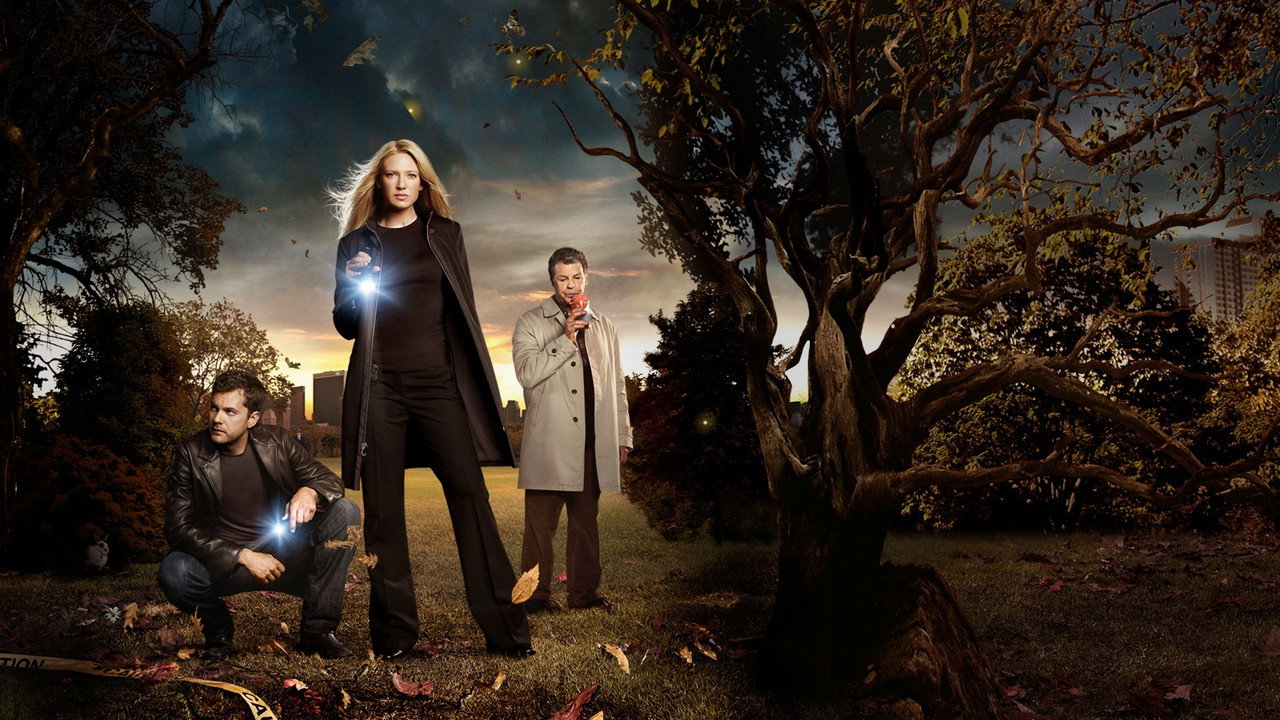
The Ending, Explained
When a show builds its identity on blurred lines between the possible and the impossible, the closing stretch has to earn the trust viewers placed in it. For anyone who wants a calm walkthrough without the early shock reveal, this is where The X-Files fans will feel at home, since both series treat government secrecy as a backdrop rather than the whole story.
We are not going to spoil the opening cases. Instead, the late chapters of the series pull the scattered investigations into a single frame. The Fringe ending explained here focuses on the final act, where the pattern behind the unbelievable events stops being a mystery and becomes a choice.
What Happens
By the final episodes, Olivia Dunham, Walter Bishop, and Peter Bishop have moved past reacting to strange incidents. They understand that the disturbing pattern they uncovered is tied to an alternate dimension and to fringe science that should never have left a lab. The question shifts from "what is causing this" to "who is willing to pay the cost to fix it."
In plain terms, what happens at the end of Fringe is that the team confronts the larger structure behind the breaches. Personal history and scientific responsibility collide. Walter, the formerly institutionalized scientist, carries the heaviest burden, while Peter and Olivia must decide how far they will go to protect a world that never fully understood what they were protecting it from.
The last sequences do not rely on a sudden twist. They rely on consequences. The series respects the audience enough to let the ending grow out of earlier decisions rather than inventing a new threat in the final hour.
The Meaning Behind the Ending
The Fringe ending meaning is less about a victory and more about sacrifice. The show asks whether science used without limits can be corrected once the damage crosses dimensions. Walter's arc answers that with action rather than speech.
There is also a quiet statement on family. Peter and Walter, reluctant and scheming at the start, end with a bond tested by impossible choices. Olivia's role matters too: she is the anchor who keeps the group human when the logic of fringe science says they should abandon emotion.
Read this way, the finale is not a puzzle to decode but a moral conclusion. The pattern was always about people using power they did not understand, and the ending asks who should be trusted with it.
Themes You Might Have Missed
The most obvious theme is the FBI versus the supernatural, but the subtler one is institutional failure. Walter was locked away instead of helped, and the consequences of that silence echo through every case.
Alternate dimensions are not just a sci-fi device. They mirror the idea that every choice creates a version of reality we never see. The mad scientist label applied to Walter is challenged by showing his love for Peter beneath the chaos.
Fringe science works as a metaphor for unchecked research. The series never says technology is evil; it says separation between ethics and discovery is dangerous. That theme lands hardest in the final act, where the cost of ignoring it becomes personal.
If you enjoy atmospheric mystery with a similar tone, Torchwood explores government-linked weirdness with its own darker edge.
Is Fringe Worth Your Time?
With a rating of 8.1 from nearly three thousand votes, the show clearly connected with a large audience. It blends sci-fi and fantasy with drama and mystery in a way that rewards patience. The early cases feel like monsters-of-the-week, but Fringe explained as a whole is a long conspiracy about identity, dimension, and responsibility.
The cast carries it. Anna Torv gives Olivia a steady core. Joshua Jackson plays Peter with the right mixture of sarcasm and loyalty. John Noble makes Walter both funny and tragic, which is harder than it looks. Jasika Nicole rounds out the team with a grounded presence.
If you liked slower burn mysteries, Kyle XY offers another outsider trying to understand a world built on secrets. Fringe is heavier on science, but both reward viewers who stay past the first episodes.
For a free streaming blog audience, the appeal is clear: no need to chase box sets, and the show holds up as background viewing or close analysis. The Fringe finale mystery is satisfying because it respects the setup instead of abandoning it.
Fringe Cheat Sheet
Title: Fringe (2008). Genres: Sci-Fi & Fantasy, Drama, Mystery. Tagline: Question the answers. Main cast: Anna Torv, Joshua Jackson, Jasika Nicole, John Noble.
Core team: FBI agent Olivia Dunham, institutionalized-then-freed scientist Walter Bishop, and his reluctant son Peter. Setup: a series of unbelievable events reveals a larger disturbing pattern blurring science fiction and technology.
- Watch if you like: FBI investigations with supernatural elements
- Watch if you like: alternate dimension stories
- Watch if you like: mad scientist characters done with heart
- Skip if you need: fast answers in episode one
The Fringe ending explained above avoids the first act on purpose. The show is better experienced than summarized. By the finale, the fringe science, the alternate dimension, and the personal stakes all lock together, and the Fringe finale mystery becomes less about what happened than about what the characters were willing to lose.
Whether you arrive for the cases or stay for the family at its center, Fringe explained as a complete work is a study in how far people go when the line between technology and science fiction disappears. The ending does not shout. It lands.