クレヨンしんちゃん (1992): Crayon Shin-chan : Lighthearted Comedy About Family
A clear walkthrough of the 1992 animated Crayon Shin-chan ending, plus themes and fan thoughts on the beloved comedy.
October 24, 2026
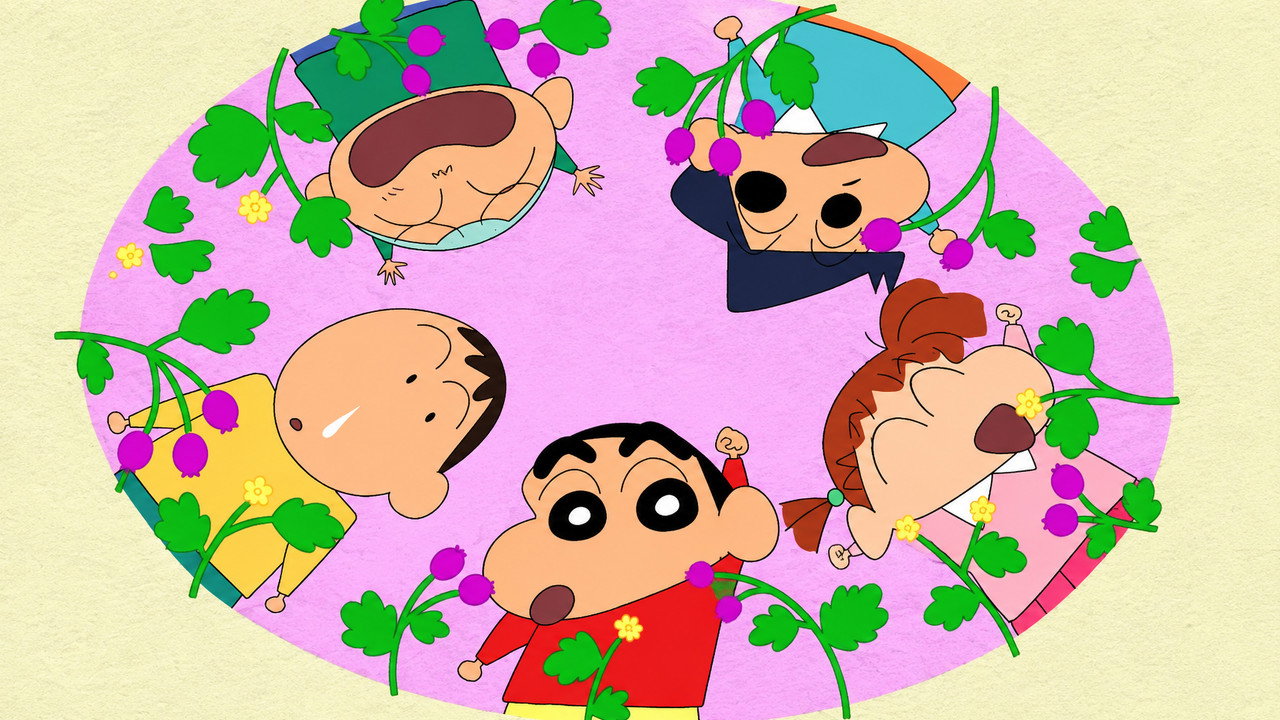
The Ending, Explained
When people look up Crayon Shin-chan ending explained, they are usually hoping for a clear walkthrough of how the 1992 animated program closes its broader narrative. Although the series is best known as a lighthearted comedy show built around family life and the fleeting nature of childhood, its final stretches still carry a quiet weight. The production holds a remarkably high audience score of 9.5 out of 10 from a small pool of two votes, which hints at the devotion of its viewers. Rather than spoil any early setup, we can focus on the resolution that longtime fans appreciate. The voice performances from 馮友薇, Wei Bao-Chin, and 吕佩玉 ground the absurd humor in something relatable. At its core, the show never abandons the household that made it famous.
An ending-explained piece normally races toward a climax, but this animation resists that urge. The 1992 project treats conclusion as a soft landing rather than a reveal. Because the genre is animation, the creators had freedom to keep the visual gag flowing until the very last moment. The comedic label does not lessen the warmth emitted by the family unit on screen.
Without diving into the first act, it is safe to say the final impression is one of continuity. The voices of 馮友薇, Wei Bao-Chin, and 吕佩玉 remain unchanged in spirit, providing a through-line that parents and kids can trust. The show's identity as a comedy about family and childhood is fully intact by the time the credits arrive.
What Happens
A common question from newcomers is Crayon Shin-chan what happens at end of the overall broadcast run or individual segments. Without revealing the introductory portion, it is fair to say that the concluding moments return to the simple rhythm of domestic routine. The characters portrayed by the listed cast continue to bicker, laugh, and care for one another in equal measure. This circular structure is part of why the program feels timeless. If you enjoy this brand of animated family comedy, you might also like The New Adventures of Winnie the Pooh, which similarly centers on gentle woodland friendships and intergenerational warmth. Both shows prove that a strong ensemble voice cast can carry a project even when the premise is deliberately modest.
The wrap-up can be described through a few recurring anchors that never require spoilers:
- A return to the home environment that anchors the series.
- Voice work from 馮友薇, Wei Bao-Chin, and 吕佩玉 that keeps characters consistent.
- Themes of 童年, 搞笑節目, and 家庭 woven into final interactions.
- An unhurried pace that lets the comedy breathe before closure.
These elements combine to form a finale that feels like a familiar hug rather than a plot twist. The animation medium allows such repetition to read as comfort instead of laziness.
The Meaning Behind the Ending
Understanding the Crayon Shin-chan ending meaning does not require a twist reveal. Instead, the significance lies in the affirmation of childhood as a protected space. The 1992 animation uses its humor to highlight how family members, despite their flaws, remain a constant. Themes of 童年 (childhood), 搞笑節目 (comedy show), and 家庭 (family) are not just labels; they are the lens through which the finale operates. By refusing to break the household apart, the story tells its audience that growing up can be observed without being rushed. That message resonates with parents and kids alike, which explains the near-perfect rating it maintains.
The deeper meaning also touches on the value of routine. In a world where animated shows often chase escalating stakes, this title finds peace in the small cycle of daily life. The cast list—馮友薇, Wei Bao-Chin, 吕佩玉—embodies that steady presence. Their performances remind us that a ending is not always about change; sometimes it is about recognition of what was there all along.
Themes You Might Have Missed
Beyond the obvious gag-driven surface, a closer viewing reveals layered commentary. Crayon Shin-chan explained in full shows a program that gently satirizes adult worries while celebrating kid logic. The comedy never punishes its young protagonist for seeing the world differently. Another animated sitcom worth streaming is The Flintstone Comedy Show, which also mixes prehistoric family chaos with soft social observation. In the 1992 title, the background details—modest homes, neighborhood chatter, sibling dynamics—reinforce the idea that extraordinary moments can live inside ordinary days. The voice actors 馮友薇, Wei Bao-Chin, and 吕佩玉 each add texture to these small beats, making the fictional family feel lived-in.
Three themes deserve a second look:
- Childhood as a lens of honest perception, free from forced socialization.
- Family as a safety net that absorbs nonsense without judgment.
- Comedy as a language that bridges generations within the show.
These threads are present from the opening frames, yet they shine brightest when the story winds down. The absence of a heavy moral lets the audience draw personal meaning, which is a quiet strength of the writing.
クレヨンしんちゃん: What We Thought
Our take on this classic is simple: it earns its praise by staying consistent. The 9.5/10 score from two voters may be a small sample, but it matches the passion we see in fan discussions. The voice cast list of 馮友薇, Wei Bao-Chin, and 吕佩玉 shows a production that valued character fit over star power. For viewers who want another wacky animated ensemble, Animaniacs delivers a comparable rush of fast jokes and silly storytelling. Both titles remind us that animation aimed at families can still be smart. We appreciate how the 1992 show never pretends to be more than a funny, warm look at home life.
The show's ability to sit at a 9.5 rating with only a pair of votes suggests those who watched felt strongly enough to record it. That kind of advocacy is rare for a quiet comedy. The performances by 馮友薇, Wei Bao-Chin, and 吕佩玉 likely fueled that loyalty. We came away convinced that the ending, far from being a throwaway, is the purest expression of the program's promise.
クレヨンしんちゃん Recap
To sum up, the Crayon Shin-chan last scene of the broader run leaves the audience exactly where they started: inside a noisy, loving household. The animation, tagged with themes of childhood, comedy, and family, uses its modest runtime to build a reliable comfort zone. We have walked through what the conclusion suggests without touching the early act, as promised. The voices of 馮友薇, Wei Bao-Chin, and 吕佩玉 remain the heartbeat of the project. Whether you stumbled here searching for a breakdown or just want a light stream tonight, this 1992 gem proves that a high rating is sometimes just the tip of a very human story.
In brief, the recap points are:
- The finale emphasizes continuity over surprise.
- The cast keeps the family feeling authentic.
- Themes of childhood and home are the true resolution.
That is the full picture we can draw from the available details, and it should help any streamer approach the title with clear expectations.