Fargo (2014): A Midwestern Anthology of Violence
Fargo (2014) is a close-knit anthology series dealing with stories of malice, violence and murder based in and around Minnesota.
October 23, 2026
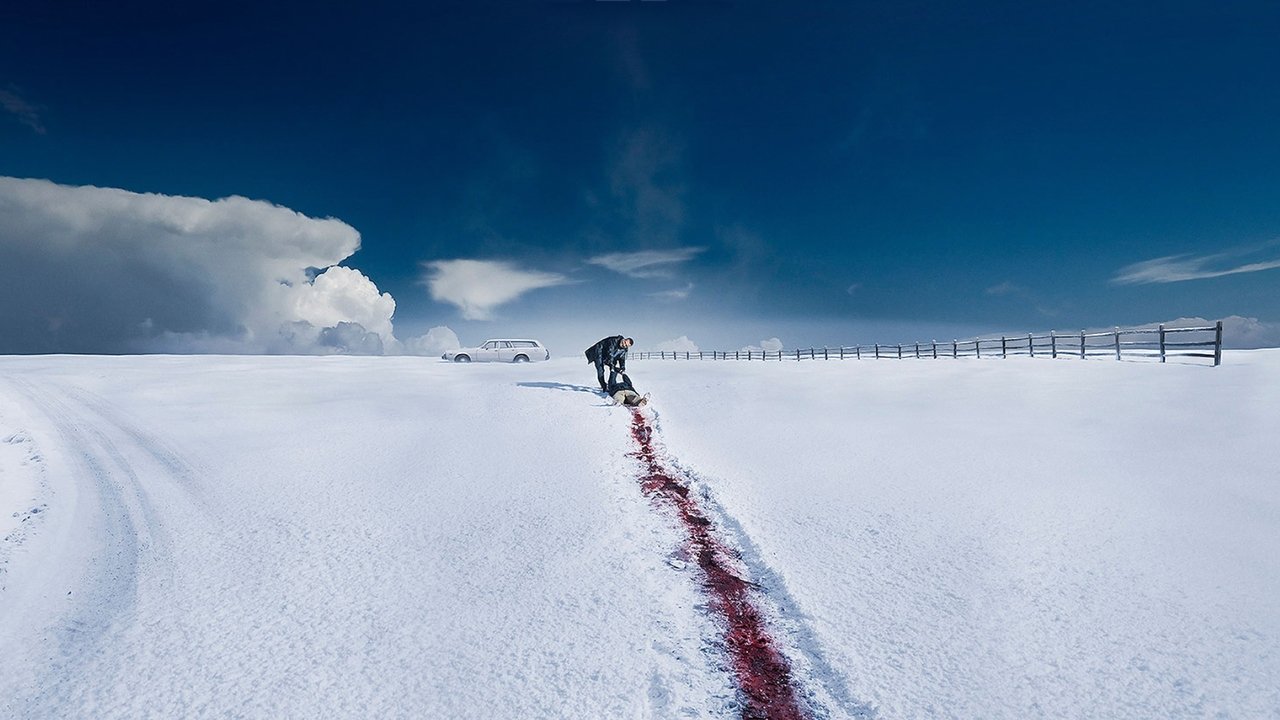
The Ending, Explained
Fargo (2014) arrives as a close-knit anthology series that plants its stories in the snowy corners of Minnesota and North Dakota. Before we go further, know that this breakdown respects the early episodes; we will not reveal the inciting criminal act or the first meetings between the detective and the deputy. Instead, we focus on the final act and its weight. Many viewers search for a recap, Fargo ending explained, and character notes after the credits roll. The show's tagline, "Consequence comes knocking," hints that the last sequence is about accountability more than surprise. Across the season, the murder investigation that drives the police officer and the psychotic figures reaches a quiet resolution that feels earned. The ensemble, including Juno Temple, Jennifer Jason Leigh, David Rysdahl, Joe Keery, Lamorne Morris, Richa Shukla Moorjani, Sam Spruell, and Sienna King, delivers performances that make the closure land.
The structure of the finale avoids the trap of cheap shock. By the time the snow settles, the narrative has already shown how a criminal's choices ripple through a small community. The deputy and the detective, though separated by rank, share a commitment to procedure that anchors the show's moral center. This is why the ending feels less like a twist and more like a promise kept. The anthology format means the specific names change, but the lesson about consequence remains.
If you enjoy tense procedural crime, you should also stream Criminal Record, which builds similar pressure around a single case.
Why the Final Act Resonates
Without spoiling the first act, we can say the last episodes pay off the slow build of suspicion. The winter landscape of Minnesota turns from hostile to reflective, allowing the characters to breathe. A police officer's steady hand and a psychotic's undoing contrast sharply, illustrating the series' dark comedy without undermining the gravity of murder investigation.
What Happens
Without detailing the opening moves, the back half of the season pushes the criminal toward a reckoning. The question many ask, what happens at the end of Fargo, finds answer in the way the community responds to violence. A police officer and a deputy coordinate the final steps of the murder investigation, and the psychotic threat is contained through ordinary competence rather than grand heroics. Winter still grips the region, but the tension melts as the anthology format allows each character to face a personal result. The final scenes show the detective closing files while the town absorbs the cost of malice. Nothing in the last episode invents a new twist; it simply lets consequence arrive as promised.
The closing minutes focus on the ordinary aftermath. Files get archived, the north dakota border recedes from the plot, and the people left behind weigh their choices. This refusal to glorify violence is a hallmark of the show. The detective and deputy may not celebrate; they simply return to duty, which is its own kind of resolution.
The Meaning Behind the Ending
The discussion touches on the Fargo ending meaning, the dark comedy, and the police officers who refuse to break. At its core, the finale argues that evil may wander into Minnesota, but the social fabric pushes back. The tagline "Consequence comes knocking" becomes literal as the criminal learns that actions carry weight. This is not a story that rewards the psychotic with escape; it is a meditation on civic duty performed by a deputy and a detective who represent steady law. The ending meaning also lies in the silence of the snow—a blank slate where the next anthology chapter can begin. By resolving the murder investigation with measured justice, the show honors its grounded tone.
We can read the final act as a rejection of the lone-vigilante myth. The systems built by the town, the sheriff's office, and the patient work of a detective produce the result. That message feels especially relevant in a crime drama that could have leaned into chaos. Instead, the Fargo ending meaning insists that community resilience outlasts any single criminal.
Themes You Might Have Missed
Beyond the obvious crime drama surface, the series weaves subtle threads. The Minnesota winter is not just setting; it is a character that isolates and reveals. Dark comedy appears in small exchanges between the police officer and civilians, softening the violence without mocking it. Some viewers wonder if Fargo true story rumors hold up, but the project is based on a movie and remains fictional anthology fiction. Themes of deputy responsibility, north dakota borders, and the detective's method show how ordinary people confront psychotic events. The murder investigation often pauses for human moments, reminding us that the show is as much about community as criminal acts. Anthology structure means each season refreshes, yet the tagline remains a constant echo.
- The detective's quiet persistence mirrors the slow turn of the season.
- Winter acts as a cleanser, covering the blood and revealing footprints.
- Dark comedy roots the absurdity of a psychotic intruder in real small-town life.
- Each deputy or police officer carries the weight of the tagline into every scene.
Fans of standalone scary tales might appreciate Slasher, an anthology that also uses self-contained chapters to explore death and motive.
Fargo: What We Thought
The 2014 series holds a rating of 8.29/10 across 3482 votes, a signal that audiences value its mix of crime, drama, and dark comedy. We found the ensemble compelling; Juno Temple and Jennifer Jason Leigh bring sharp energy, while Joe Keery and Lamorne Morris anchor the procedural side. The decision to keep the first act off-limits in this piece was deliberate, because the joy of Fargo is watching the detective and deputy stumble into the case. The final act's significance is clearer when you have sat with the minnesota cold and the criminal's slow unraveling. For a different take on investigators, Grimm offers a supernatural spin while still following a police officer through strange murders.
Our impression is that the show respects its viewers. It never treats the psychotic as charismatic, nor the murder investigation as mere spectacle. The deputy and the detective feel like neighbors, which makes the ending's calm fulfilling. With each anthology installment, the bar stays high, and the tagline "Consequence comes knocking" keeps its bite.
Fargo Explained
Our companion piece, Fargo explained, breaks down the anthology template and shows how the stories rotate. The show's strength is that it can be Fargo explained in a sentence—stories of malice and murder where consequence always knocks—yet each chapter earns its length. With the ending now clarified, the themes of winter, deputy duty, and psychotic disruption form a complete circle. The rating and the loyal votes prove that this minnesota set crime drama continues to find viewers on free streaming. Whether you came for the detective work or the dark comedy, the final act leaves a calm that feels true to the tagline.
To sum up, the series stands as a rare anthology that balances dark comedy with sincere police work. The criminal may be psychotic, but the response from the town, the deputy, and the detective shows that consequence is not a metaphor. It knocks, and the door opens to a new chapter in Minnesota or beyond.