Family Guy (1999): A Politically Incorrect Animated Comedy
A politically incorrect animated sitcom following the dysfunctional Griffin family and their talking dog Brian.
October 17, 2026
The Ending, Explained
When audiences sit down to dissect the final moments of this long-running animated comedy, they often search for a tidy wrap-up that the show rarely provides. In truth, looking at Family Guy ending explained reveals a structure built on repetition rather than resolution. The Griffin household in Rhode Island never truly escapes its cycle of absurdity, and that is precisely the point. Each installment leaves the family in a recognizable state, with Peter still bumbling, Lois still enduring, and Brian the talking dog still balancing martinis against his self-appointed role as Stewie's keeper. The series proudly wears its label as sick, twisted, politically incorrect, and freakin' sweet, which means the conclusion of any story beat is designed to reinforce the chaos rather than resolve it.
The program's tagline, "Don't die laughing. We could get sued," signals from the outset that humor will be pushed to reckless extremes. Yet beneath the crude humor and adult humor lies a consistent social satire of middle-class New England life. The ending of an episode typically returns the characters to their baseline dysfunctions, allowing the next adventure to start fresh without heavy continuity. For viewers who enjoy similar domestic chaos, Grounded for Life offers another look at a messy family unit, though it trades animation for live-action suburbia.
What Happens
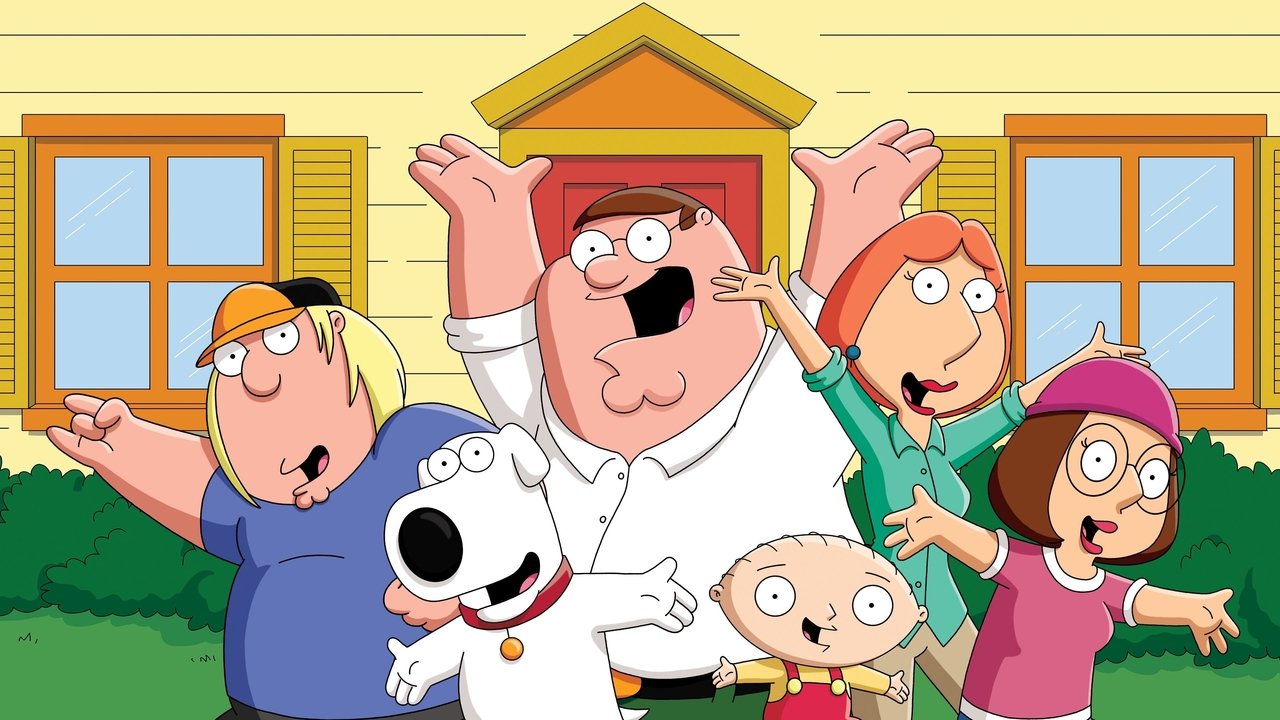
Without walking through the opening setup, we can focus on the back half of a typical episode. Regarding Family Guy ending what happens, the audience usually finds the characters exactly where their personalities demand: Stewie remains a boy genius with sadistic designs on his mother and dreams of world domination, Meg continues as the oldest child and the most unpopular girl in town, and Chris pursues his passion for movies despite not being very bright. Brian's narrative often closes with him sipping a martini while quietly managing his own life issues and keeping the infant's schemes in check.
This predictable rotation is not a failure of imagination but a deliberate parody of sitcom conventions. The show uses its final act to remind us that family conflict is eternal and that the Griffin clan is a magnet for inappropriate situations. The animation style and adult animation label permit visual gags that would be impossible in other formats. If you want a companion watch that extends the same animated spirit into a different household, American Dad! delivers a similar blend of satire and dysfunctional relatives, though with a patriotic twist.
The Meaning Behind the Ending
When we consider the Family Guy ending meaning, it often lies in the quiet acceptance of chaos as the normal condition of the modern dysfunctional family. Rather than teaching a moral lesson, the closure underscores that the Griffins are locked in a perpetual state of mutual annoyance and bizarre loyalty. The Rhode Island setting and middle-class struggles ground the cartoonish events in a recognizable social satire, making the ending feel like a mirror held up to real household tensions.
Through its adult humor and parody, the program suggests that survival is its own victory. The final scenes are less about character growth and more about endurance, which is why the show has maintained a 7.408 out of 10 rating across 5151 votes from fans who appreciate the consistency. The talking dog's martini and the baby's lingering malice become symbols of a stable yet insane world. This cyclical structure is a hallmark of the series and a key to its longevity on streaming platforms.
Themes You Might Have Missed
For those new to the broadcast, the concept of Family Guy explained starts with recognizing the layers beneath the crude surface. The series is a thick weave of satire, parody, and social commentary wrapped in animation. While many viewers tune in for the laugh, the writers embed critiques of New England middle-class life and broader cultural norms. The dysfunctional family is not just a joke but a lens for examining how ordinary people cope with absurdity.
Among the many Family Guy funny scenes, the strongest are those that reveal character truth rather than just shock value. Stewie's brilliant but sadistic plans, Meg's isolation, and Chris's gentle movie love all surface in small beats that reward repeated viewing. The show also uses its New England backdrop to poke at regional stereotypes. Themes worth noting include:
- Rhode Island and broader New England setting
- Middle class economic struggle and family conflict
- Sharp satire and broader social satire
- Parody of television and adult animation tropes
- Crude humor balanced with adult humor
- Boy genius ambition versus dysfunctional family limits
These elements combine to create a show that is freakin' sweet according to its own description, yet also a sharp observational piece about modern domestic life. The interplay between Brian's sophistication and the others' simplicity adds a constant tonal shift that keeps the comedy unpredictable.
What We Think of Family Guy
Our take is that the series succeeds because it never pretends to be anything other than sick, twisted, and politically incorrect. The voice cast led by Seth MacFarlane, Alex Borstein, Mila Kunis, Seth Green, Patrick Warburton, and Arif Zahir brings texture to the absurdity. Each performer leans into the exaggeration while keeping the emotional core of a family intact. The endurance of the format proves that audiences crave a safe space for unsafe jokes, especially when packaged as Animation and Comedy.
If you enjoy comedies about friendship and awkward adulthood, Platonic might scratch a different itch, but the Griffin family remains unmatched in animated dysfunction. The show's willingness to foreground a talking dog's existential crisis next to a baby's evil plot is a tonal balancing act that few others attempt.
Family Guy Essentials
To summarize the core facts for streamers who want a quick reference before pressing play, we have compiled the key data points. The series premiered in 1999 and has gathered a solid fan base reflected in its rating. The official tagline reminds viewers of the legal absurdity of laughter, while the plot summary promises a freakin' sweet ride with the Griffins.
- Title: Family Guy (1999)
- Genres: Animation, Comedy
- Rating: 7.408/10 from 5151 votes
- Tagline: Don't die laughing. We could get sued.
- Main cast: Seth MacFarlane, Alex Borstein, Mila Kunis, Seth Green, Patrick Warburton, Arif Zahir
- Central characters: Peter, Lois, Stewie, Meg, Chris, Brian
- Setting: Rhode Island, New England
- Thematic tags: satire, parody, crude humor, dysfunctional family, adult animation
The show's blend of boy genius ambitions, talking dog philosophy, and middle-child movie love makes it a staple of adult animation. Whether you analyze the ending or just laugh at the surface, the Griffin family is here to stay, offering a perpetual cycle of conflict that feels both familiar and fearless. The combination of social satire and crude humor ensures that the series remains a reference point for anyone exploring animated comedy on free streaming sites.