ER (1994): The Final Shift of an Overburdened ER
ER (1994) concludes by showing how dedicated physicians and staff of an overburdened urban teaching hospital emergency room face critical issues.
October 24, 2026
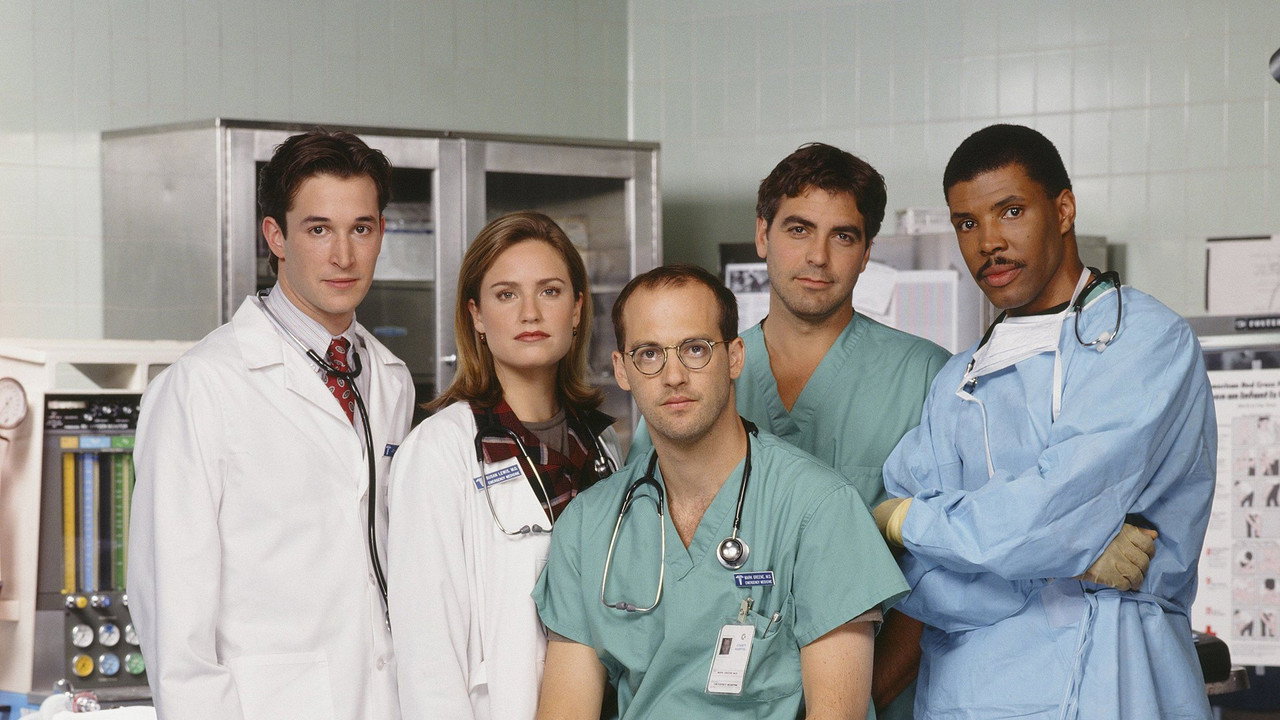
The Ending, Explained
ER arrived in 1994 as a drama built around the relentless pace of an urban teaching hospital located in Chicago, Illinois. Its tagline promises that life, death, and chaos are all in a day's work, and that sentiment carries through the series from the first shift to the last. Our discussion, ER ending explained, will not revisit the early shift rotations or the introductory cases that set up the ensemble. Instead, the conclusion of this medical drama asks us to consider how the dedicated physicians and staff of an overburdened emergency room carry on when the system stays stretched thin. The show never abandons its setting; the Illinois hospital remains the constant frame where surgical operation follows surgical operation. We can appreciate the arc without revisiting the first act, because the later chapters stand on their own as a meditation on endurance and professional duty. The emergency room keeps humming with critical issues, and the final act simply widens the lens on the people who absorb that pressure.
Long-running hospital stories often inspire comparisons with other shows. If you want another look at a crowded medical facility, New Amsterdam presents a similar environment where doctors battle administrative and personal pressure while treating patients in a busy ward.
This drama, ER explained in simple terms, is a television work about people who perform demanding medical procedures while managing the unpredictability of the emergency room. The final period of the broadcast continues that template, though some audience members felt the tone gradually shifted. Without spoiling anything from the opening episodes, we can say the later storytelling placed more weight on the interpersonal bonds among the cast, including figures like Maura Tierney, Parminder Nagra, Linda Cardellini, Scott Grimes, David Lyons, Angela Bassett, and John Stamos. That evolution gave the conclusion a different rhythm from the initial seasons that many remembered as tightly focused on clinical realism. The transition was slow, building across the years as the program matured.
What Happens
Viewers often ask what happens at the end of ER, and the answer lies in the last chapter of the run rather than the pilot. The emergency room in the Chicago hospital keeps receiving patients, the doctors keep making difficult calls, and the staff rotate through shifts that rarely slow down. The narrative does not introduce a separate world; it stays inside the same overloaded ward where critical issues face the dedicated physicians. Observing the final acts, one notices that the work of a doctor becomes intertwined with personal life. This was a point where the program drifted from pure medical case structure toward something more character-driven. The change was not sudden but accumulated over the years following the late nineties, leading to a finale that emphasizes continuity over resolution.
For those who enjoy cross-border medical narratives, Transplant follows a similar pattern of doctors coping with high-stakes hospital demands and the emotional weight of their duties.
The absence of a rewritten first act means we skip the setup of the main cast's origins. What remains is a portrait of a workplace where a surgical operation can be both a technical triumph and an emotional burden. The show's lasting image is of corridors filled with urgency, and the ending honors that by keeping the camera in the halls of the Illinois institution. Patients come and go, the staff regroups, and the tagline's promise remains intact.
The Meaning Behind the Ending
This conclusion, ER ending meaning, is closely tied to the original tagline. Life, death, and chaos do not resolve into a neat conclusion; they simply continue because the hospital never closes. The significance of the final act lies in its insistence that the dedicated physicians and staff remain human amid the overload. A rating of 7.8 out of 10 across 974 votes indicates that the audience still found value in this long meditation on medical work. The meaning is not a twist or a secret reveal but a confirmation of the show's central thesis: the emergency room is a microcosm of fragile mortality and steady resilience. By the final episodes, the viewer understands that no single case defines the place; the accumulation of days does.
The series, ER behind the scenes, grants a view of the bustle that real hospital workers know, though we are not diving into production anecdotes. The final episodes preserve that illusion of access, showing the surgical operation and triage as continuous processes rather than staged events. This texture helps explain why the conclusion feels like a natural exhale rather than a forced finale.
Themes You Might Have Missed
Several threads run through the drama that viewers might overlook when focused only on plot. The Chicago, Illinois setting is more than a backdrop; it shapes the kind of cases the hospital sees and the community it serves. The theme of the doctor as both healer and exhausted employee appears in every shift. Surgical operation scenes highlight the precision required under pressure, while the emergency room itself acts as a character—unpredictable and unforgiving. As a medical drama, the show quietly asks what it costs to care for strangers day after day inside an overburdened system.
This show, ER explained through these themes, is less about individual ailments and more about the system that treats them. The presence of actors like Angela Bassett and John Stamos in later lineups reinforced the idea that experience and fresh perspective share the same hallway. Even without spoiling early developments, one can see that the final chapter amplifies the theme of continuity, showing that the hospital outlasts any single story.
If you want a different flavor of medical storytelling, Doctor Odyssey explores care in an unusual setting and may appeal to fans of ensemble casts.
Our Rating for ER
Based on the collected score, ER holds a 7.8 out of 10 from 974 votes. That number reflects a generally positive reception while acknowledging that not every season landed equally for every viewer. The early years earned strong attachment from fans who valued the realistic portrayal of an overburdened emergency room and the critical issues faced by its staff. The later movement toward character-focused storytelling divided some observers, yet the overall mark shows the series maintained a solid place in the medical drama landscape. We consider the rating a fair summary of a long broadcast that balanced chaos and compassion, and it invites new viewers on free streaming platforms to explore the catalog.
ER At a Glance
For quick reference, here is the core information on the show:
- Title: ER (1994)
- Genres: Drama
- Tagline: Life. Death. Chaos. It's all in a day's work.
- Plot: Explores the inner workings of an urban teaching hospital and the critical issues faced by the dedicated physicians and staff of its overburdened emergency room.
- Setting themes: Chicago, Illinois, hospital, doctor, surgical operation, emergency room, medical drama
- Notable cast: Maura Tierney, Parminder Nagra, Linda Cardellini, Scott Grimes, David Lyons, Angela Bassett, John Stamos
- Rating: 7.8/10 (974 votes)
The above snapshot confirms that the series remains a touchstone for viewers who want an unvarnished look at hospital life. Whether you come for the medical drama or stay for the ensemble, the ending leaves you with the same tagline echo: the work simply continues, and the emergency room lights never dim.