Emmerdale (1972): Life Around a Farm and Village
Emmerdale (1972) follows Yorkshire Dales families whose farm and village life brims with murders, affairs, lies, laughter and tears.
October 21, 2026
The Ending, Explained
The classic Emmerdale 1972 soap opera still draws fans to its village tales, even decades after the first broadcasts. Life in the Yorkshire Dales unfolds through several families whose routines center on a working farm and the nearby small village. Many viewers seek Emmerdale ending explained to parse the final episodes, because the serial does not wrap with a single dramatic twist but with a slow settling of scores. The show’s structure lets laughter and tears coexist, and the later chapters lean into that balance. Rather than revealing a hidden secret in the first act, the narrative builds a community where murders, affairs, lies, and deceit become part of the fabric. Our breakdown will walk through the closing movement without uncovering the early setup, so newcomers can enjoy the groundwork.
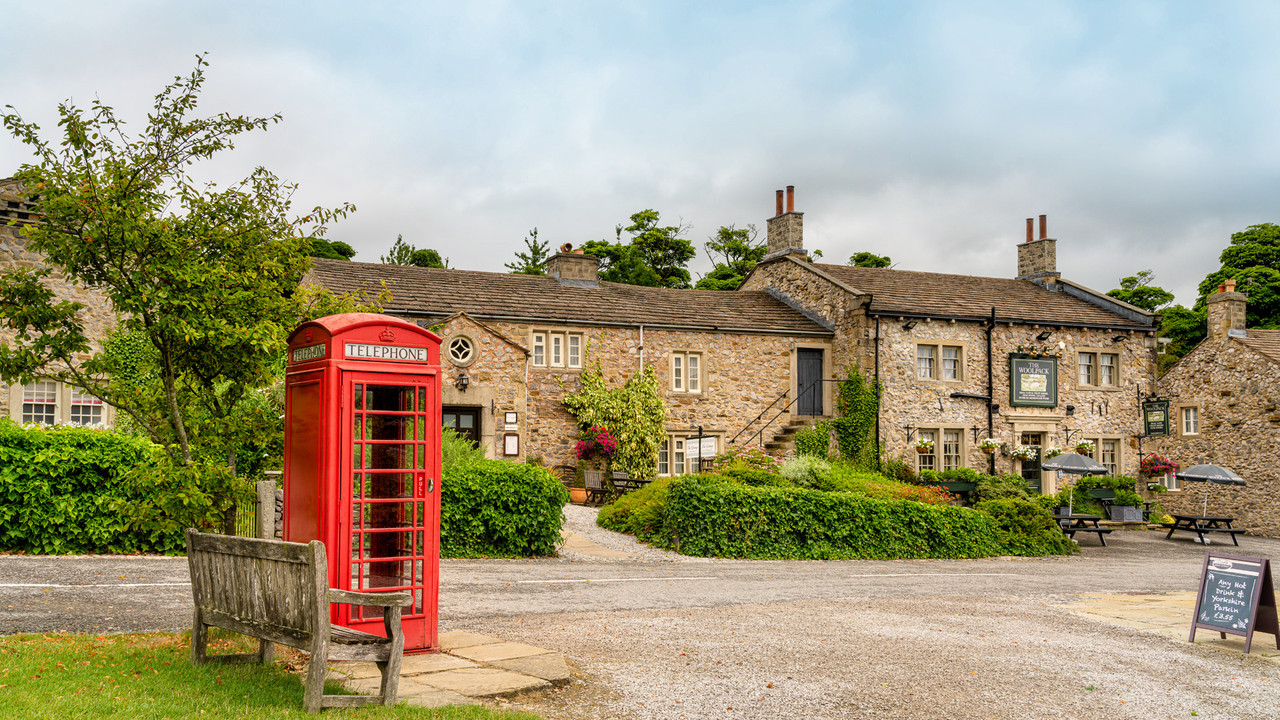
Understanding the finale requires patience with the format. As a rural drama, the programme thrives on relationships rather than explosions. The ending we discuss reflects the accumulation of choices made by thoughtful, mischievous, and sometimes aggressive personalities in Northern England. The British pub acts as a sounding board where the community processes distressing news. By the final stretch, the farm remains the constant, even as the people around it change. This permanence of place gives the conclusion its particular weight, suggesting that the land outlasts every individual scandal.
What Happens
The question what happens at the end of Emmerdale puzzles many, as the village faces both loss and reunion. In the later period, the families contending with the farm see their bonds tested by accusations and quiet forgiveness. Murders that occurred earlier cast long shadows, yet the small village proves resilient. Affairs that once seemed destructive find uneasy resolution. Lies are exposed, but the deceit does not permanently fracture the community. Instead, the nearby village becomes a place where tears give way to shared laughter.
We avoid detailing the opening chapters, but it is safe to say the final act brings the countryside themes to the foreground. The land itself, the stone walls, and the local pub anchor the characters. Fans of ensemble drama might also enjoy Hollyoaks, which similarly mixes community strife with younger energy. Both shows illustrate how a confined setting can generate endless human stories, and both rely on the push between secrecy and revelation.
Within the closing movement, the British pub deserves mention as the stage where much of the emotional business concludes. Neighbors exchange loaded glances, and the mischievous among them lighten the mood. The farm, meanwhile, continues its seasonal work, indifferent to human plotting. This parallel between nature and social drama is part of what happens when the narrative approaches its later phase.
The Meaning Behind the Ending
The essay Emmerdale ending meaning explores symbolism of the farm as anchor. The closing scenes suggest that the Yorkshire countryside is more than a backdrop; it is a participant. When the characters gather near the farm, the viewer senses that nature absorbs the community’s aggressive and thoughtful moments alike. The ending meaning points to continuity: the village will continue, with or without any single family.
Another layer is the role of the British pub as a neutral ground. In the final episodes, the pub hosts conversations that mend or finalize relationships. This spatial choice underscores the theme of community in Northern England. The distressing events never fully erase the mischievous spirit of the residents. The meaning behind the ending is therefore about endurance rather than victory, a quiet statement that rural life persists through scandal.
Themes You Might Have Missed
The guide Emmerdale explained covers early years but also highlights missed motifs. Beyond the obvious murders and affairs, the show quietly examines the pressure of rural isolation. The small village setting magnifies every action, making a careless word as heavy as a formal betrayal. Viewers often overlook the thoughtful pacing that lets side characters breathe, and that pacing is essential to the finale’s impact.
Key motifs include:
- Countryside as a character, not just a location
- Farm life representing stability amid chaos
- Northern England community bonds tested by deceit
- British pub as the emotional hub of the village
- Mischievous humor softening distressing turns
- Aggressive confrontations contrasted with quiet reconciliation
Those who like family sagas can try Loving for a different regional flavour. While that series centers on American domestic life, the parallel lies in how everyday spaces shape personal drama. Both programmes remind us that setting is destiny.
Final Verdict on Emmerdale
On the streaming platform, Emmerdale (1972) carries a rating of 4.3 out of 10 from 100 votes. That score reflects a niche appreciation rather than broad acclaim. As a soap opera, it rewards patient viewing and an interest in rural community dynamics. The absence of a conventional finale may frustrate those trained on closed-story series, but it honors the soap format and the Yorkshire setting.
If you want another ensemble contrast, Chicago Hope offers a metropolitan medical backdrop. The shift from Yorkshire fields to hospital corridors shows how location defines tone. Both productions, however, rely on interlocking personal stakes, and both ask the viewer to invest in a group rather than a hero.
Emmerdale Recap
To recap without spoiling the first act: the programme presents several families in the Yorkshire Dales whose lives revolve around a farm and the nearby village. Across its run, the narrative supplies murders, affairs, lies, deceit, laughter, and tears. The countryside and small village setting frame every interaction. Themes of community, farm stability, and Northern England identity persist. The British pub serves as a gathering point for both aggressive confrontations and thoughtful reconciliation. While the show carries a modest rating, its depiction of a mischievous yet distressing rural world remains a reference point for the genre.
The final act leaves the viewer with a sense that the village will continue, holding its secrets and its warmth. That is the essence of this 1972 soap opera: an open circle rather than a closed book. The ending we have explained shows that meaning resides in continuity, not closure. For those who appreciate stories rooted in a single place, the series offers a long, textured visit to Northern England.