El hormiguero (2006): From Weekly To Daily Ratings Success
El hormiguero (2006) is a Spanish comedy, science, and politics talk show hosted by Pablo Motos that expanded from weekly to daily.
October 23, 2026
The Ending, Explained
When fans type El hormiguero ending explained into a search bar, they are usually hoping for a breakdown of a dramatic finale. This program, however, is a Spanish television format that blends comedy, science, and politics with a studio setup. Since its launch in September 2006, it has been hosted and produced by screenwriter Pablo Motos. Rather than a scripted story, the "ending" we can discuss refers to the later evolution of the broadcast rather than a closing scene. The show proved its strength by expanding from a weekly 120-minute installment to a daily 40-minute broadcast in its third season, which began on September 17, 2007. That shift marks a natural point to examine how the series changed over time.
The program's structure relies on spontaneous atmosphere where planned segments meet unscripted reactions. Pablo Motos leads with a writer's timing, while regular performers build a familiar rhythm. Each episode resets with new guests, so there is no traditional first act to spoil. The conclusion of its early chapter on Cuatro and the move to Antena 3 serves as the closest thing to a finale worth analyzing.
What Happens
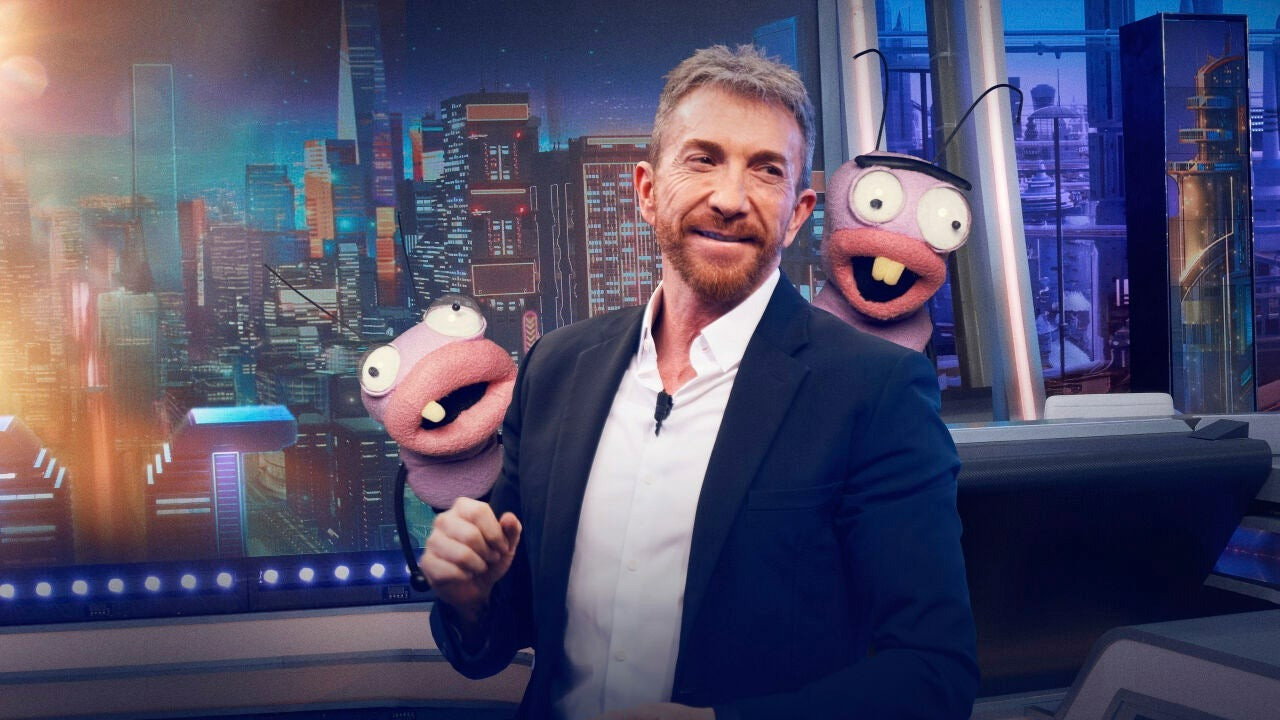
To see what happens at the end of El hormiguero in the context of its early run, look at the transition after its initial channel tenure. The program aired on Spain's Cuatro channel from its start until June 2011, after which it moved to Antena 3. During this period, recurring companions such as Luis Piedrahita, Raquel Martos, Marron and the character known as "The Man in Black" became familiar faces. Puppet ants Trancas and Barrancas also joined the fun. The move to a new network and the daily format illustrate the practical changes as the show matured. Fans of modern late-night formats can find a similar rhythm in The Late Show with Stephen Colbert, which also mixes monologue comedy with guest interviews.
The third season premiere on September 17, 2007, represents a turning point. By condensing runtime from 120 minutes weekly to 40 minutes daily, creators trusted core bits to work in shorter bursts. This required tighter editing and faster pace but kept the same comedic spine. A typical installment might open with a monologue, move into a science demonstration, and close with a political chat.
Recurring participants formed a loose family on screen:
- Luis Piedrahita, known for magic and humor
- Raquel Martos, a steady co-presence
- Marron and "The Man in Black" as recurring bits
- Trancas and Barrancas, puppet ants with cheeky attitudes
The Meaning Behind the Ending
The El hormiguero ending meaning becomes clearer when we consider its achievement at the 2009 Rose d'Or ceremony. The program won the Entertainment prize there, confirming that its blend of lighthearted talk and scientific curiosity resonated with international juries. Rather than signaling a stop, this recognition capped a phase of creative growth. The expansion to daily episodes showed the format could sustain shorter, frequent engagements. Main cast members like Pablo Motos, Juan Ibáñez Pérez, and Damián Mollá helped maintain a consistent tone. The true significance lies in adaptability: a show that began weekly learned to thrive as everyday viewing.
Another layer comes from dual nature. It never pretends to be pure journalism or pure comedy. By weaving interviews with lawmakers alongside experiments, it suggests curiosity should not be siloed. The end of the Cuatro era is therefore a statement that the formula was strong enough to survive a channel change.
Themes You Might Have Missed
A complete view of El hormiguero explained reveals that the interview is the backbone of each broadcast. While laughter and puppet ant segments draw attention, the program regularly invites thinkers and public figures to discuss current topics. Science demonstrations sit alongside political conversation, a balance rare in comedy spaces. The recurring guests develop running bits that reward loyal viewers. If you enjoy this style of informative yet playful television, you might also like The Kelly Clarkson Show, where musical performance meets candid conversation.
The theme of accessibility runs through every season. Complex ideas get translated into playful stunts, making the studio crowd feel included rather than lectured. Even the puppet ants serve a purpose: they puncture ego and keep conversations grounded. This subtle editorial choice is easy to overlook when laughing at a prop.
Is El hormiguero Worth Your Time?
The presence of a El hormiguero live audience is one reason the program feels immediate even when watched on delay. If you prefer structured sitcoms, the loose format might seem unfamiliar, but the rating of 4.7 out of 10 from forty votes suggests a niche rather than universal appeal. Still, the show's longevity and Rose d'Or win indicate quality within its genre. For viewers who enjoy conversational television that jumps between a science experiment and a comedic bit, it offers a refreshing alternative to rigid prime-time schedules. The daily 40-minute version especially respects a busy viewer's time while keeping spontaneity intact.
Consider your own taste before diving in. The early Cuatro broadcasts and later Antena 3 entries both contain the same playful DNA. Newcomers can start with the daily format and then explore older weekly specials to see how the pace changed. The program rewards patience, as interviews often branch into surprising territory.
El hormiguero Summary
In brief, this Spanish talk and comedy staple has run since 2006 under Pablo Motos's guidance. It started on Cuatro, shifted to Antena 3 in 2011, and earned a Rose d'Or for entertainment in 2009. The puppet ants and recurring panelists give it a signature identity. Those who want a similar absurd talk experience can explore Space Ghost Coast to Coast, an animated interview show that also breaks the fourth wall. Whether you seek the early weekly episodes or the later daily installs, the program remains a curious hybrid of education and humor.
Key facts to remember:
- Launch in September 2006 with a live studio setup
- Hosted by Pablo Motos, with cast including Juan Ibáñez Pérez and Damián Mollá
- Expanded to daily 40-minute shows in third season starting September 17, 2007
- Won Entertainment prize at the 2009 Rose d'Or
- Moved from Cuatro to Antena 3 after June 2011