El cor de la ciutat (2000): Catalonia's Most Watched Fiction
El cor de la ciutat (2000) is the Catalan soap opera that chronicled daily life in Barcelona's Sants and Sant Andreu across its 2000-2009 broadcast.
October 24, 2026
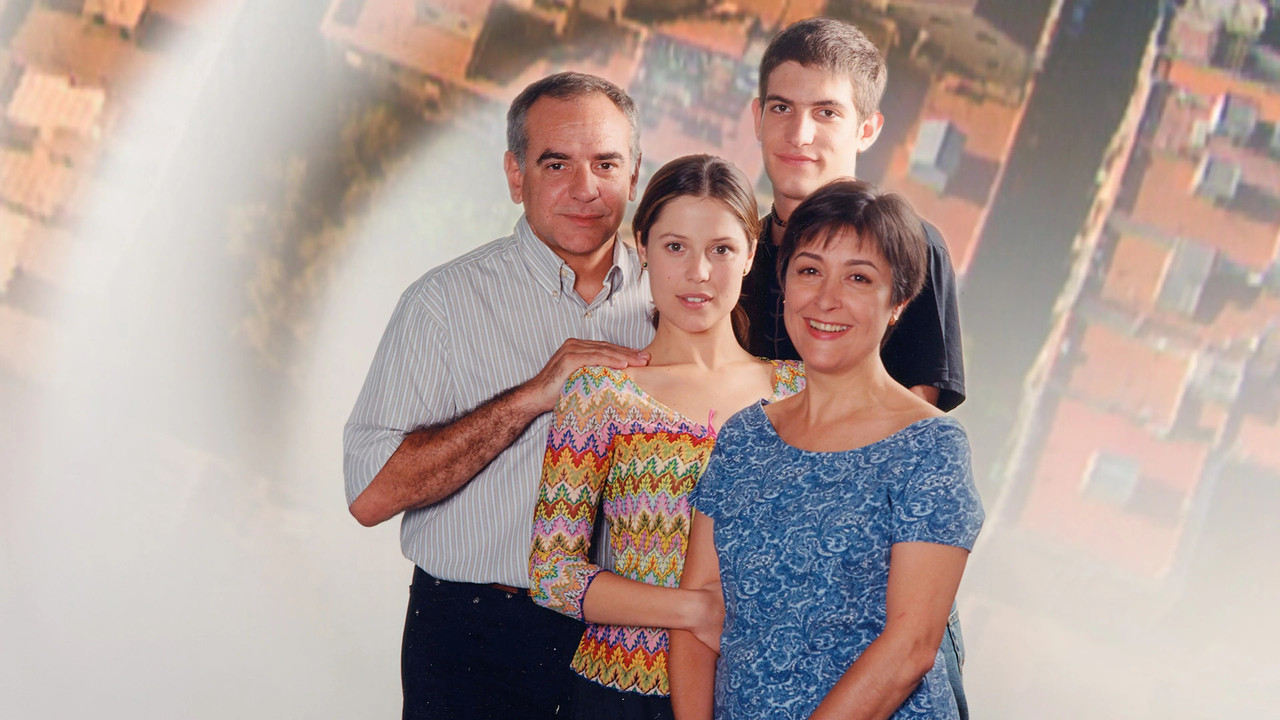
The Ending, Explained
When a long-running serial leaves the air, audiences wonder how it resolves. For viewers discovering El cor de la ciutat 2000 today, the program presents a fascinating case because its conclusion arrived after nearly a decade of weekly intimacy with two Barcelona districts. The show first appeared on TV3 in September 2000 and said farewell on 23 December 2009, making its final act a culmination of small moments rather than a single twist.
The closing chapter of this soap opera did not rely on shock reveals from the early episodes. Instead, it looked at matured relationships among people living and working in Sants and Sant Andreu. Because the narrative centered on ordinary neighborly existence, the ending felt like a gentle acknowledgment of continuity. Families confronted new generations, and the bond of the neighborhood remained the quiet anchor.
The program's format as a continuing serial meant that the ending could not be separated from the years before it. Viewers who stayed with the broadcast from the beginning saw the neighborhoods of Sants and Sant Andreu evolve alongside their own lives. This gradual approach is why the final episodes felt like a reunion rather than a conclusion.
Fans of heartfelt community storytelling may also find comfort in Verliebt in Berlin (2005), which explores everyday romance with comparable affection for routine life.
Throughout its run, the production remained the most watched scripted program in Catalonia, drawing 28–33 percent of the audience, with peaks near 40 percent during season finales. Those numbers tell us the ending was a shared communal event, especially among female viewers.
What Happens
The final stretch revisits intertwined lives without upending the established order. We see continuation of love, family, and support that neighbors provide. The last broadcasts wrapped up daily rhythms of Sants and Sant Andreu, showing that even as individuals faced transitions, the spirit of the area persisted.
Because the series was a soap, the conclusion did not deliver a dramatic reset. Rather, it allowed the ensemble—including Pep Anton Muñoz, Aleix Rengel, Bernat Quintana, Marc Clotet, Montse Guallar, Aida Oset, Nausicaa Bonnín, and Mariona Ribas—to embody passage of time. The significance lies in how the show trusted its audience to understand change without spectacle.
Such a structure allowed the soap to maintain focus on the daily texture of Catalan life. The absence of a final explosion of drama is consistent with the show's identity as a reflection of ordinary experience. Characters remained rooted in the same streets, reinforcing the idea that home is a constant.
Those who enjoy ensemble dramas should consider Anything for Love (1997), a title that similarly weaves multiple personal journeys into one emotional tapestry.
What happens in the last act is a meditation on permanence. The broadcast end in December 2009 marked close of a television era, but within the fiction the neighborhood kept breathing.
The Meaning Behind the Ending
This El cor de la ciutat review will focus on the final stretch rather than opening episodes, because true weight rests in how it said goodbye. The meaning is tied to cultural footprint. As most watched fiction in Catalonia, the show reflected the region's social fabric. Its conclusion affirmed that local identity and close-knit community deserve celebration.
The decision to frame the finale around ongoing neighborhood life suggests endings are never absolute for a community. Themes of family and neighborly love were honored, not resolved. By avoiding disruptive climax, the writers signaled the real story was accumulation of shared experiences.
That honoring of shared history also explains why the series remained the most watched fiction in Catalonia across its nine-year run. The final act simply extended an invitation to reflect on what had been built. It was a quiet celebration of endurance.
If you are curious about other locale-centered works, Annie et ses hommes (2002) provides another ensemble portrait of human connection across years.
The timing of final broadcast just before 2010 gave audience reflection moment. The show’s rating of 5.4 out of 10 from seven votes does not diminish domestic impact; audience share paints clearer picture.
Themes You Might Have Missed
Some viewers overlook subtle ideas. Love appears not only in romance but in affection between neighbors who act as chosen family. The neighbor becomes a moral stance of mutual care. In Sants and Sant Andreu, people next door are integral to survival and joy.
Family is elastic. Residents show kinship formed through shared streets as much as blood. The neighborhood itself is a character shaping decisions. These layers reward patient viewing, especially reaching final act without rushing early years.
Another motif is everyday negotiation of change. The ending does not lecture about progress; it shows people adapting while keeping roots.
These thematic currents are easy to miss if one expects conventional plot turns. The strength of the writing lies in its restraint, letting the neighborhood speak for itself. In this way, the closing chapters reward attention to small gestures.
El cor de la ciutat: Our Final Verdict
Assessing the series requires sensitivity to context. Achievement is measured by hold on Catalan audiences. It remained most watched fiction for almost ten years, resonating with daily viewers, particularly women. The finale consolidated that bond.
Our perspective is the closing act succeeded in modest ambitions. By refusing to spoil first act with retroactive twists, show kept integrity. Cast’s long-term commitment and focus on Sants and Sant Andreu lent finale earned tranquility. This is a serial built on empathy rather than sensation.
While the numerical rating from a handful of voters may suggest mixed reception, the audience share tells a story of deep loyalty. The show's ability to gather families around the screen each week is the true measure of its success.
El cor de la ciutat in Short
To summarize essentials for new viewers:
- TVC soap opera first aired on TV3 on 11 September 2000.
- Last episode broadcast 23 December 2009.
- Setting: neighborhoods of Sants and Sant Andreu in Barcelona, Catalonia, Spain.
- Core themes: love, neighbor, family, neighborhood.
- Cast includes Pep Anton Muñoz, Aleix Rengel, Bernat Quintana, Marc Clotet, Montse Guallar, Aida Oset, Nausicaa Bonnín, Mariona Ribas.
- Audience reach 28–33 percent, up to 40 percent for finales.
In the end, legacy is steady presence. The ending explained shows long farewell can be meaningful, and themes remind why show earned place in local history.