Ebenezer (2026): A Fantastical Second Chance at Joy
Ebenezer (2026) shows an elderly miser's supernatural journey as Christmas spirits force him to confront his past and fight for a second chance at happiness.
October 16, 2026
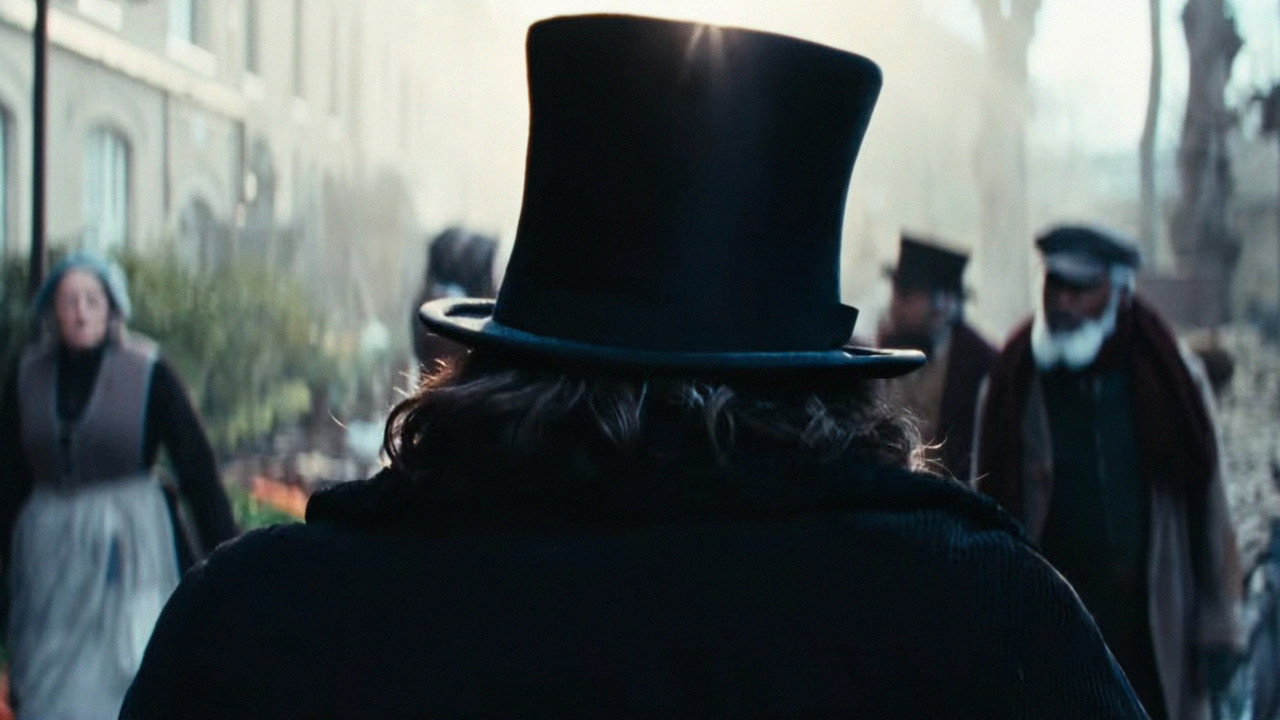
The Ending, Explained
Ti West takes the director's chair for Ebenezer (2026), a two-hour fantastical romp that revisits a familiar Victorian curmudgeon. The article discusses the Ebenezer fantasy comedy revival in modern streaming cinema, showing how humor can lighten gothic material. This reinterpretation keeps the London fog and chimney soot but adds a wink to the audience.
The Ebenezer ending explained section of our breakdown will focus strictly on the final act, avoiding any reveal of the early supernatural visits that set the stage. We believe a viewer should meet the miser before the ghosts arrive with fresh eyes.
Readers who want a broader Ebenezer explained perspective will find that the closing minutes reframe the entire supernatural journey. The film's tagline, "Before he was Scrooge, he was…", hints at a backstory that pays off when the Spirits finish their work.
The director's background in genre filmmaking informs the pacing of the closure. While we will not describe the opening confrontation with the former business partner, it is safe to say the final reel pays off the supernatural arrangements with a human choice. The combination of gothic visuals and comedic timing suggests a film that trusts its audience to laugh inside a graveyard.
What Happens
You can learn what happens Ebenezer end from the breakdown that follows, as we summarize the confrontation without detailing the opening routine. The elderly miser, after being shown hard truths by his former partner's ghost and the three seasonal spirits, must fight for a second chance at happiness in the climax.
The final act shifts from shadowy reflection to active choice. Surrounded by the visions of Christmas Yet to Come, the character grapples with the legacy he nearly left behind in 19th century England. The runtime of 120 minutes allows this turn to breathe, giving the ensemble cast room to react to his transformation.
Without revealing the first act, we can note that the Spirits of Christmas Past, Present, and Yet to Come function as catalysts rather than mere specters. The miser's journey through London and England's Victorian landscape culminates in a decision that echoes the tagline's promise. His fight for happiness is portrayed as active, not granted by magic alone.
Fans of holiday supernatural tales might also appreciate Hocus Pocus, a 1993 feature that blends spooky comedy with festive atmosphere. Both films prove that a ghostly visit can carry laughter as well as dread.
The Meaning Behind the Ending
The Ebenezer ending meaning relates directly to redemption and self reflection, two ideas threaded through the script. When the miser chooses to struggle for a new path, the narrative suggests that no life is fixed beyond change, even in a dark fantasy rooted in gothic tradition.
A broader Ebenezer explained reading also touches on the theme of spirit as both ghostly visitor and inner resolve. The Victorians believed in moral awakening; this film plants that belief inside a comedy framework without losing the somber London streets.
Redemption in this context is not a sudden miracle but a contested struggle. The Ebenezer ending meaning, as noted, ties to self reflection, yet the film also comments on social isolation in 19th century cities. By placing a comedy inside a ghost story, the narrative argues that warmth can be reclaimed even after a lifetime of cold.
Those who enjoy grim fairy-tale corners of the genre may seek out The Brothers Grimm, a 2005 adventure that also mixes folklore with uneven tone. It shares the gothic woods-and-England feel that Ebenezer borrows for its background.
Themes You Might Have Missed
Beyond the obvious holiday setting, the movie quietly accumulates motifs. The 19th century London, England backdrop is not just decoration; it informs the class divide that makes the miser's isolation plausible. A based on novel or book source gives the structure its literary weight, while dark fantasy elements keep the ghosts from feeling tame.
List of subtle threads:
- Redemption as active fight rather than passive regret
- Spirit as external haunting and internal spark
- Self reflection triggered by supernatural mirror
- Gothic architecture echoing a locked heart
- Christmas as deadline for change, not just setting
Attention to costume and architecture reinforces the gothic label without overshadowing the holiday cheer. The source material's literary root as a based on novel or book adaptation gives the dialogue a rhythmic quality that modern audiences may miss on first viewing. Spirits here are as much about memory as about spectacle.
Viewers who like heavy atmosphere should consider The Golden Compass, a 2007 dark fantasy with parallel occult ornaments. The link between armored bears and chained ghosts is thin, but both build worlds where the unseen shapes morality.
Ebenezer: The Bottom Line
Ebenezer (2026) runs 120 minutes under Ti West's guidance, starring Johnny Depp alongside Rupert Grint, Daisy Ridley, Andrea Riseborough, Tramell Tillman, Ian McKellen, Sam Claflin, and Charlie Murphy. Its current rating sits at 0.0/10 across zero votes, meaning the audience has not yet spoken through the listed metrics. The tagline "Before he was Scrooge, he was…" sets up a prequel-style character study wrapped in fantasy comedy.
The production values evoke Victorian era streets without drowning the joke beats. For a streaming blog audience, the film offers a conversational entry point into gothic revival, provided you accept a lighthearted ghost story over pure horror.
At 120 minutes, the movie avoids rushing its third act. Ti West gathers an ensemble including Johnny Depp and Ian McKellen, yet the story remains centered on the miser's internal shift. Current metrics show no votes, so early judgments should account for limited sample size.
Ebenezer Verdict
Our ending-explained walkthrough shows that the finale succeeds when read as a tale of second chances. The Ebenezer fantasy comedy label holds up because the spirits trade fright for wit in the last reel. While we avoid early-act details, the closure delivered by the Spirits of Christmas Past, Present, and Yet to Come leaves room for a redeemed man to choose happiness.
If you prefer strict adaptations, this version may feel loose. Yet as a holiday streamer pick, it joins a lineage of supernatural comedies that remind us why London, England and its ghosts remain irresistible. The bottom line: watch it for the ensemble and stay for the redeemed ending.
Overall, the experience rewards patient viewers who let the fantasy comedy tones accumulate. The ending does not rely on twist but on emotional repositioning, which aligns with the themes of spirit and redemption. It is a streaming option for those who like their ghosts with a smile.