Dune: Part Three (2026): A Ruthless Emperor's Cost of Power
Paul Atreides rules as a ruthless Emperor nearly two decades after seizing the Imperium, facing betrayal and a conspiracy centered on Chani.
October 21, 2026
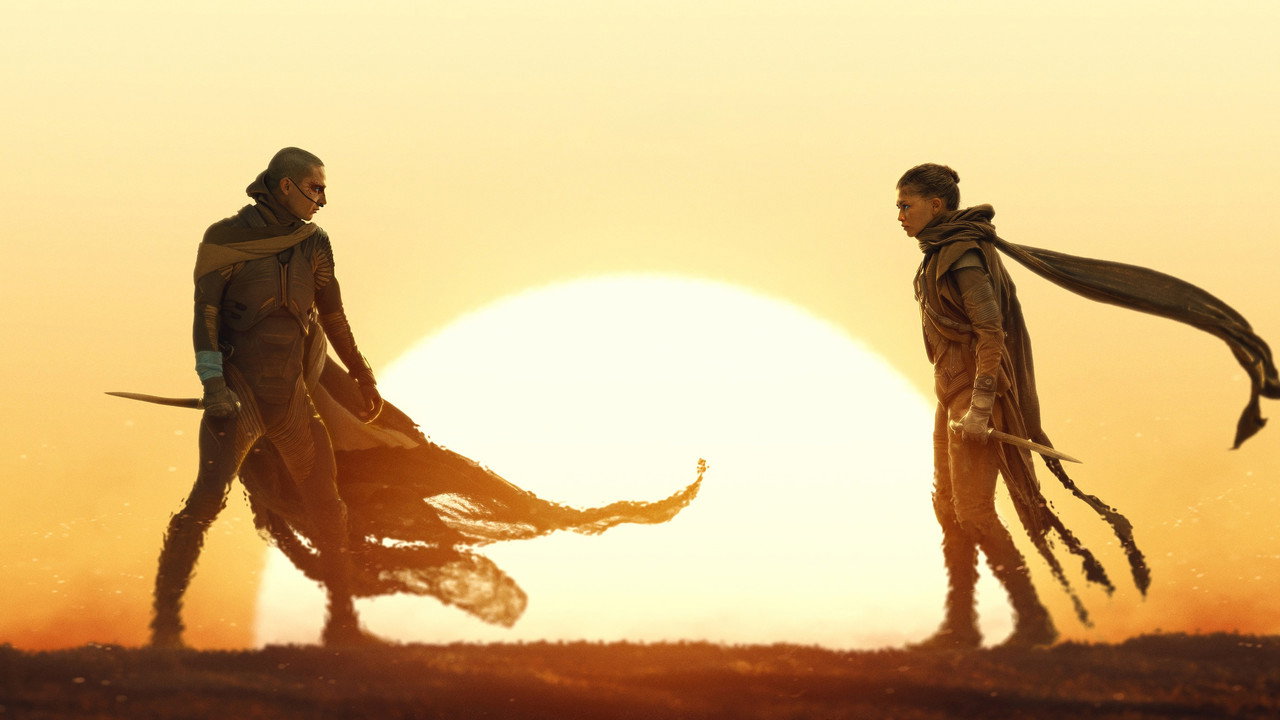
The Ending, Explained
Nearly two decades after seizing control of the Imperium, Paul Atreides rules as a ruthless Emperor. Dune: Part Three ending explained, the closing movement of the story traces his confrontation with the consequences of that reign. Old allies return with motives that no longer align with his vision, while terrifying new threats emerge from the shadows of the galaxy. Betrayal becomes a constant companion. We see Paul haunted by visions of Imperial collapse and by the reappearance of a long-lost love, drawing him into a sweeping conspiracy. Chani stands at the heart of that mystery. The film’s two-hour-twenty-minute runtime compresses immense dread into quiet glances. Fans of tactical science fiction like Ender's Game will recognize the slow burn of a leader overwhelmed by the board he thought he controlled.
The finale does not rely on early revelations to land its emotional weight. Instead, it asks what remains when the prophecy is fulfilled but satisfaction is absent. Paul must confront the true cost of power and the fate of those he loves most. Villeneuve frames the desert planet not as a backdrop but as a character that remembers every debt. The space opera scale never eclipses the intimate toll of command, and the last scenes linger on faces rather than explosions. This is a conclusion that respects the audience’s investment without dragging them through setup they already know.
What Happens
what happens Dune Part Three end, the conspiracy tightens around Paul as enemies close in from every side. The reappearance of his long-lost love pulls him toward a choice between personal longing and imperial duty. Chani’s role in the unfolding mystery becomes the pivot on which the final confrontation turns. Former companions who once fought beside him now carry their own grievances, and new adversaries exploit the cracks in his rule. Without detailing the opening chapters, we can say that the last act is defined by betrayal lurking in every shadow and by a ruler forced to face the collapse he foresaw. The sweeping conspiracy reaches a peak when Paul acknowledges the price of his messianic path.
As the story accelerates, the space adventure elements merge with political intrigue. The cast, including Timothée Chalamet, Zendaya, Jason Momoa, Florence Pugh, Rebecca Ferguson, Isaach de Bankolé, Charlotte Rampling, and Anya Taylor-Joy, deliver performances that anchor the spectacle. A comparison to the revolt narrative in Rebel Moon - Part Two: The Scargiver shows how different filmmakers handle uprising against entrenched power, though Villeneuve keeps his focus intimate. The desert setting amplifies the sense that there is no escape from the sun or from the past.
The Meaning Behind the Ending
Dune: Part Three ending meaning, the conclusion speaks to the burden of a messianic figure who never asked for worship. Paul’s transformation from tribal defender to hardened sovereign illustrates the danger of religious war baked into the fabric of the universe. The political conspiracy that surfaces in the final act is not merely a plot device; it is the logical outcome of a society built on prophecy and scarcity. When Paul confronts the true cost of power, the film suggests that liberation purchased through fear is its own prison. The reappearance of lost love humanizes the Emperor, reminding viewers that behind the space opera lies a man measuring his soul against his achievements.
The desert and the stars both bear witness. Themes of sequel and adaptation from the original novel or book remain intact, yet the ending stands alone as a meditation on consequence. Those who enjoyed the grand finale of Star Wars: The Rise of Skywalker may find a subtler but no less definitive closure here, where the fate of a planet rests on internal rather than external victory. The 140-minute runtime allows the silence after conflict to resonate as loudly as any chorus.
Themes You Might Have Missed
Dune: Part Three explained, the movie operates as a space opera that hides a tight political conspiracy beneath its sandstorms. Several motifs reward a second viewing:
- The messianic template is questioned rather than celebrated, showing how belief can weaponize a person.
- Religious war emerges not from doctrine alone but from resource control on a single desert planet.
- The sequel structure honors the source novel or book while trimming extraneous subplots.
- Space adventure tropes are repurposed to examine the loneliness of absolute authority.
- Political conspiracy threads through old alliances, proving that loyalty is transactional.
These layers sit under the surface, inviting the audience to reflect on the cost of heroism. The tagline “The epic conclusion” promises scale, but the intimacy of Paul and Chani’s dynamic delivers the real resonance. A planet that once symbolized hope becomes the stage where empire meets its mirror.
What We Think of Dune: Part Three
Dune: Part Three spoilers, the final moments redefine loyalty and leave the audience with a sobering picture of empire. Our impression is that Denis Villeneuve has crafted a 140-minute meditation that respects the source material while forging its own cinematic language. The performances are uniformly committed, with Zendaya’s Chani and Chalamet’s Paul carrying the emotional core. Despite the lack of early spoilers in this piece, we can say the film’s strength is its refusal to romanticize power. It is a space adventure that knows when to whisper.
The rating currently sits at 0.0/10 with zero votes, but that reflects pre-release status rather than quality. Anticipation is high for this science fiction and adventure installment, and the cast lineup suggests a fulfilling closure to the saga. The desert, the throne, and the ghost of prophecy converge in a final act that feels both inevitable and unexpectedly tender.
Dune: Part Three Explained
To summarize, the final chapter presents a ruler undone by the very forces that raised him. The desert planet becomes a mirror for his fractured spirit, and the conspiracy surrounding Chani forces a choice between love and legacy. Villeneuve’s direction ensures that the epic conclusion feels both vast and personal. Whether you approach it as a sequel based on a book or as a standalone space opera, the takeaway is clear: power exacts a payment, and the bill comes due in the silence after the cheers. The journey that began with survival ends with a question about what was truly won.