Dragon Ball Z (1989): Goku's Family Defends Earth from Aliens
Goku, a married martial arts champion with a son, defends Earth from extraterrestrial invaders in Dragon Ball Z (1989).
October 22, 2026
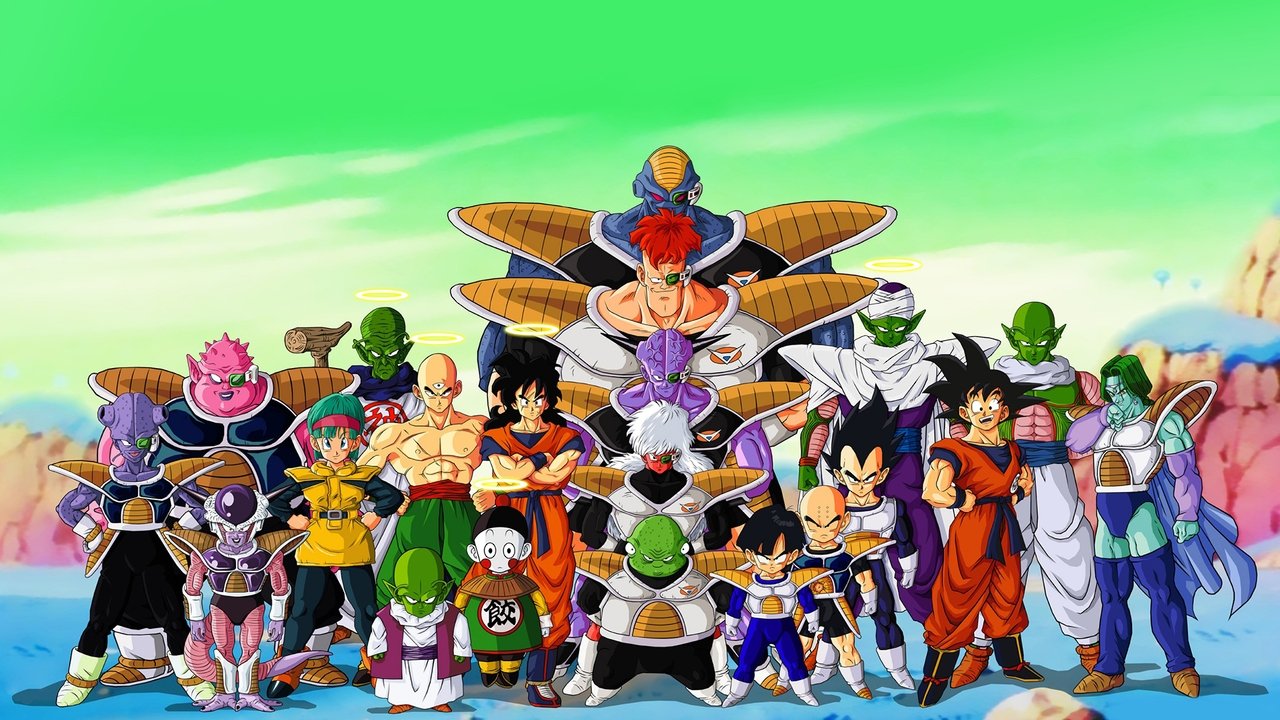
The Ending, Explained
Many fans come to the blog looking for Dragon Ball Z ending explained because the final stretch of the series carries a lot of emotional weight. The animation style and voice work reinforce the stakes without abandoning the lighter moments that defined the franchise. Without spoiling the early episodes, we can say that the story has already established Goku as a martial arts champion who is now settled with a family. The last chapters shift toward a desperate defense of Earth against waves of extraterrestrial invaders. The conclusion does not simply shut the door on the action; it reframes the whole journey around protection and legacy.
The show, which aired in 1989, built its reputation on high-energy animation and fantasy sci-fi crossover. By the time the final battles arrive, the tagline "The Saiyans have returned..." has evolved from a threat to a reminder of how far the characters have come. The ending rewards long-term viewers with a sense that the planet's fate was never just about one hero, but about a network of friends and mentors.
What Happens
When discussing the Dragon Ball Z end what happens, it is helpful to focus on the broader shape of the climax rather than minute details. The extraterrestrial menace reaches its peak, putting the world on the brink. Goku, alongside allies voiced by Masako Nozawa and Ryo Horikawa, engages in decisive combat that draws on everything learned from earlier tournament arcs. The presence of android and cyborg elements in the larger narrative adds a technological edge to the mystical martial arts foundation.
We see the collision of the series' core ingredients: alien hostility, anthropomorphic characters, and the ever-present dragon mythology. The final act does not introduce a new status quo so much as it confirms the resilience of the cast. Earth survives, but the cost and the camaraderie are what stick with the audience.
The Meaning Behind the Ending
The Dragon Ball Z ending meaning becomes clearer when you view it through the lens of friendship and succession. Goku's son represents the next generation, and the defense of home is as much about parenting as it is about facing enemies beyond the stars. The finale suggests that true strength is measured by the bonds you forge, not merely by the force you display in battle.
In a story populated by anthropomorphic creatures and end-of-the-world stakes, the quiet takeaway is deeply human. The martial arts tournament motif, repeated throughout, teaches competition as a path to self-improvement rather than domination. That lesson lands hardest when the fate of the globe is at stake.
Themes You Might Have Missed
Beyond the obvious fireworks, the program weaves several subtle ideas into its runtime. A quick list helps organize them:
- Competition – the tournament setting normalizes rivalry as healthy growth.
- Cyborg and android – blur the line between organic life and machine threat.
- Martial arts – the disciplined core of every major encounter.
- Friendship – the glue that compensates for any single warrior's limit.
- Sequel – as a follow-up story, it expands the manga source with new scales of danger.
- Alien – the external invader metaphor for unknown change.
- End of the world – constant backdrop that raises personal acts to epic meaning.
- Anthropomorphism – talking animals and creatures reflect human emotion.
- Tournament – structured conflict that mirrors life's trials.
- Dragon – mythical wish-granter tying folklore to sci-fi.
- Based on manga – the adaptation roots its pacing in printed chapters.
These threads intertwine so that the climax feels earned. The Dragon Ball Z finale brings the dragon lore and the alien siege together, showing that myth and modernity can share the same battlefield.
How Good Is Dragon Ball Z, Really?
The numerical consensus speaks for itself: a rating of 8.382 out of 10 across 5049 votes places this 1989 animation firmly in fan-favorite territory. Genres listed include Animation, Sci-Fi & Fantasy, and Action & Adventure, a combination that explains its broad appeal. The voice cast, featuring Mayumi Tanaka, Naoki Tatsuta, Ryusei Nakao, Joji Yanami, and Naoko Watanabe alongside the leads, delivers a consistent energy that carries the long arcs.
While no single episode can represent the whole, the final act's reception benefits from the groundwork laid by the manga and the earlier tone. It is a sequel that respects its roots while pushing the spectacle further. For a free streaming blog audience, it remains a strong recommendation for anyone who likes competition fused with cosmic threat.
Dragon Ball Z Explained
To sum up the journey, Dragon Ball Z explained in plain terms is a story about a married martial artist with a child who must shield the Earth from successive extraterrestrial devastations. The blend of android foes, tournament pride, and dragon magic creates a unique flavor of animation. Themes of friendship and anthropomorphism keep the characters relatable even when the stakes are planetary.
If you want more from this universe, check out Dragon Ball Super, which continues the characters' lives after the earlier conflicts. For a different but adjacent adventure rooted in Japanese folklore, InuYasha provides a time-spanning quest with its own band of allies. And if virtual competition sounds appealing, Accel World explores sci-fi gaming battles that echo the tournament spirit found here.
Ultimately, the show stands as a landmark of action animation, and its ending leaves a meaningful impression about what we fight for when the world is on the line.